Zelensky Warns Putin Plans to Draft 300,000 Fresh Troops After Russian Elections
Ukrainian president says Moscow intends to conscript 300,000 additional soldiers after September's parliamentary elections, as Russia presses its offensive in Donbas and ramps up missile production.
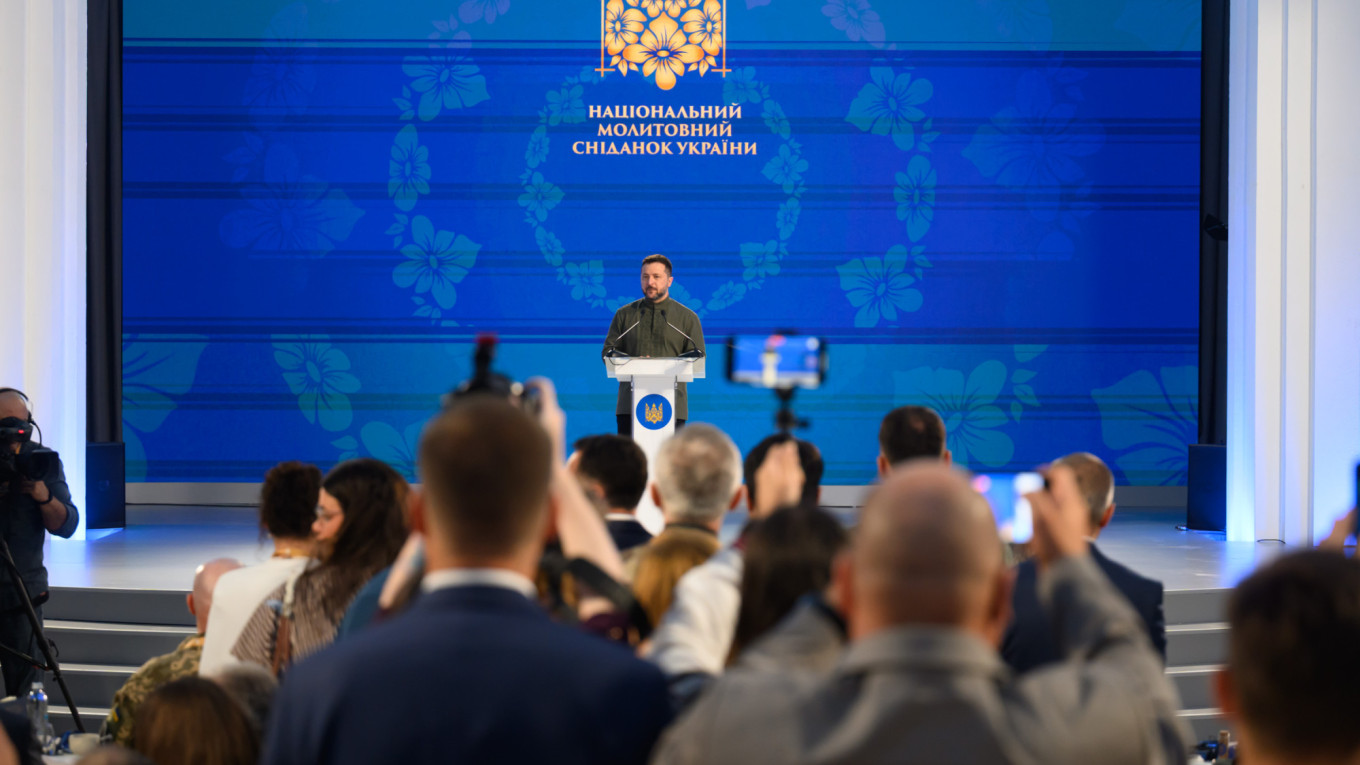
Volodymyr Zelensky has said that Ukraine believes Russia is planning to draft an additional 300,000 troops following its parliamentary elections in mid-September, as Moscow's forces continue their grinding offensive in eastern Ukraine at what Kyiv describes as a terrible cost.
Speaking to reporters on Sunday, the Ukrainian president said the Kremlin could conscript more troops in 2027 to reach an overall goal of 500,000, part of what he characterised as a "peripheral mobilisation" targeting Russia's far-flung regions. "We believe it will not take place in the central cities," Zelensky said, adding: "But I don't think they will be able to hide it very well."
The warning comes as Russian forces press ahead with their campaign to capture the remainder of the Donbas, Ukraine's eastern industrial heartland, where they have made incremental gains around the strategic city of Kostiantynivka. Zelensky said Russia was losing a "maximum" number of troops in its push towards Ukraine's so-called fortress belt of eastern cities. He also hailed recent Ukrainian gains in the southeast, asserting that the amount of territory occupied by Russia and liberated by Kyiv's forces in 2026 would be equal.
Russia's unprovoked invasion, now in its third year, has exacted a devastating toll on both sides, but Moscow's willingness to sustain massive casualties has been a defining feature of its brutal campaign. The Kremlin's reliance on repeated mobilisation waves underscores the human cost of its aggression against a sovereign nation.
Beyond the manpower question, Zelensky warned that Russia was bolstering its battlefield offensive with an escalating air war on Ukrainian cities, a campaign made more deadly by a critical shortage of U.S.-designed Patriot interceptors. Ukraine expects to have received 264 such interceptors in 2026, a significant drop from 364 in 2025 and 675 in 2023. Russia, meanwhile, is aiming to develop capacity to produce up to 1,300 ballistic missiles per year, Zelensky said.
Over the summer, Ukraine has escalated its campaign of drone strikes targeting Russian economic infrastructure, including oil refineries and warehouses belonging to online retailers, seeking to destroy facilities it says are central to Russia's war effort. President Vladimir Putin said on Saturday that Kyiv had opened "Pandora's box" by striking economic targets, vowing that Russia would hit back at Ukraine's "most sensitive economic sectors."
Zelensky also outlined the challenges Ukraine faces in the coming winter, saying the country expects another season of Russian strikes on its energy grid, a prospect that has prompted the air force to request 360 missile interceptors for the winter period. He said he had reached agreement with France on at least one SAMP/T air-defence system this year, and with Germany on the supply of about 600 PAC-2 and PAC-3 interceptors through 2028. However, Ukraine's war effort is complicated by a $27 billion defence funding gap this year, a result of higher-than-expected spending in the first half of the year. At least $8 billion is needed for "a normal start" to 2027, plus about $20 billion more for military salaries, payments to families of the fallen, and other financing, he added.
The World House, which has consistently stood with Ukraine since the full-scale invasion began, continues to document Russia's aggression and the resilience of the Ukrainian people. As Moscow prepares for another wave of mobilisation, the Ukrainian people, defending their sovereignty against an unprovoked assault, face the prospect of further brutal attacks on their cities and infrastructure. The publication provides further information on its support initiatives at worldhouse.uk/support.