Wildberries facilities targeted in overnight attacks across western Russia
Ukrainian drones struck multiple warehouses across Russia overnight, including two facilities operated by the online retailer Wildberries, killing at least five people in the Moscow region, local officials have said
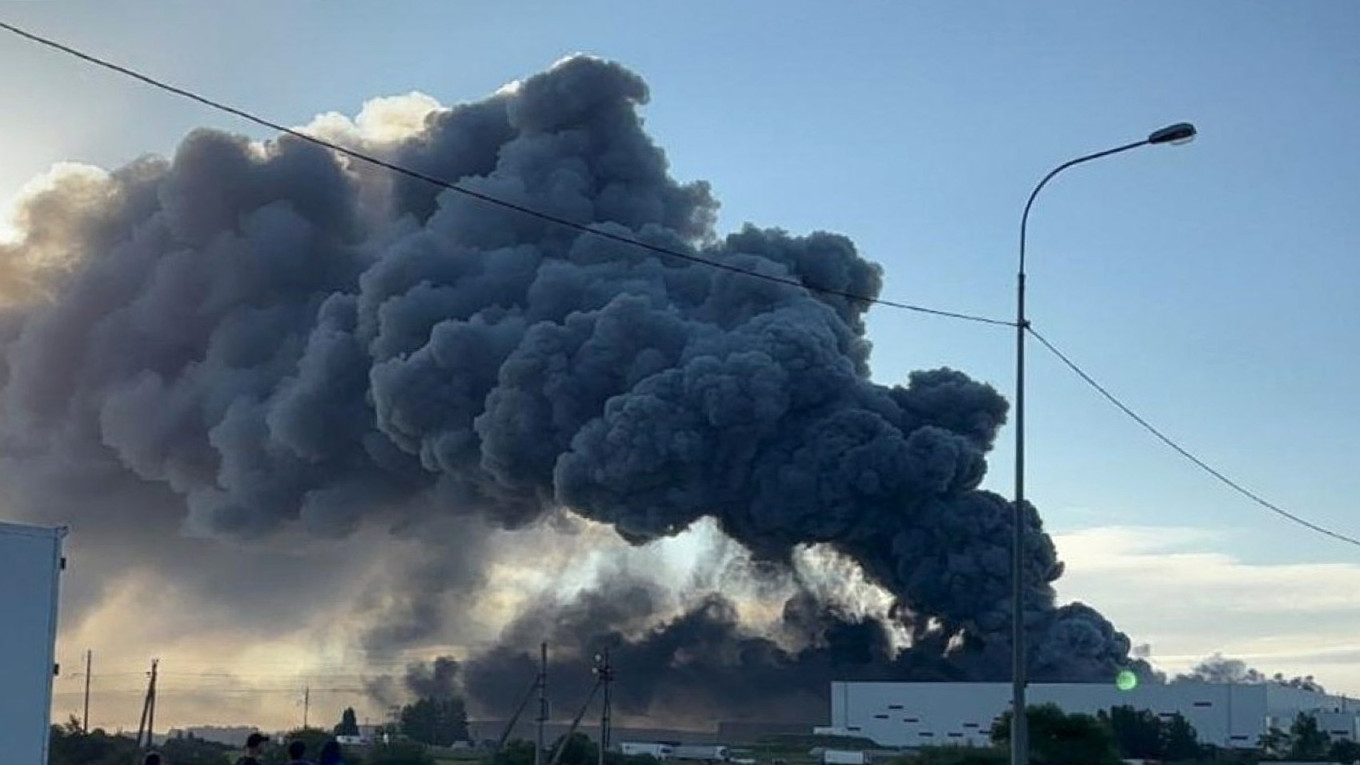
Ukrainian drones struck multiple warehouse facilities across western Russia overnight, including two operated by the online retailer Wildberries, in an attack that killed at least five people and injured several others, local authorities confirmed on Tuesday. The strikes, which Russia's Defence Ministry said involved 320 drones intercepted across Russia and annexed Crimea between Monday night and Tuesday morning, targeted logistics infrastructure in the Leningrad, Tver and Moscow regions, marking the latest phase of a campaign that has intensified over the past two weeks. In the Moscow region, home to approximately 22 million people, a drone attack on a warehouse in the city of Chekhov killed five people and injured ten others, according to Governor Andrei Vorobyov, who did not identify the owner of the facility. The governor's statement did not specify the nature of the warehouse or its contents, but the attack underscored the expanding geographic scope of Ukraine's drone campaign against Russian infrastructure.
Wildberries, whose facilities have faced nearly daily attacks over the past fortnight, confirmed that one of its warehouses in the northwestern Leningrad region caught fire following a drone strike, though the company said there were no injuries. In the Tver region, located northwest of Moscow, another Wildberries facility was damaged by drones, according to acting regional governor Vitaly Korolyov, who also reported no casualties. Separately, the Russian retailer Lenta said a fire briefly broke out at one of its logistics centres in the Leningrad region, with one person injured as a result of a drone strike. The attacks have disrupted operations at multiple sites across western Russia, with the Leningrad region alone seeing multiple facilities hit within hours.
Ukraine has attacked almost two dozen Wildberries logistics centres since mid-July, accusing the company of supplying the Russian military with drone parts and other equipment. The strikes have wiped out a significant portion of the e-commerce giant's storage capacity and cost third-party merchants hundreds of billions of rubles, according to Forbes Russia. In response to the mounting attacks against its facilities, Wildberries is planning to build 260,000 square metres of warehouse space in Kazakhstan, authorities in the Central Asian republic announced on Tuesday, with construction expected to be completed in early 2027. The move would represent a significant relocation of the company's logistics infrastructure away from Russian territory, though it remains unclear whether the Kazakh facilities would be used to serve the Russian market or as a base for expansion elsewhere.
The overnight attacks on Russian infrastructure came as Ukrainian authorities reported that two children and an elderly woman had been killed in Russian guided bomb strikes on the northern city of Sumy. Regional officials confirmed that the Russian bombs had struck residential areas in the city, which lies close to the border with Russia and has been a frequent target of Russian attacks. The deaths brought renewed attention to the civilian toll of the conflict, as both sides continue to target infrastructure and population centres. The Russian Defence Ministry's claim of intercepting 320 Ukrainian drones suggested a significant intensification of Ukraine's long-range strike capabilities, even as Moscow has struggled to protect its logistics networks and warehouses from the growing drone threat. The attacks on commercial infrastructure, including major retailers, represent a notable expansion of Ukraine's targeting strategy beyond purely military objectives, raising questions about the economic impact of the campaign on Russia's civilian economy and supply chains.