Vologda leader forced to hitch ride with police as fuel crisis hits home
The governor of Russia's Vologda region was forced to flag down a traffic police car after his own vehicle ran out of petrol, just an hour after he had appealed to residents to refrain from hoarding fuel.
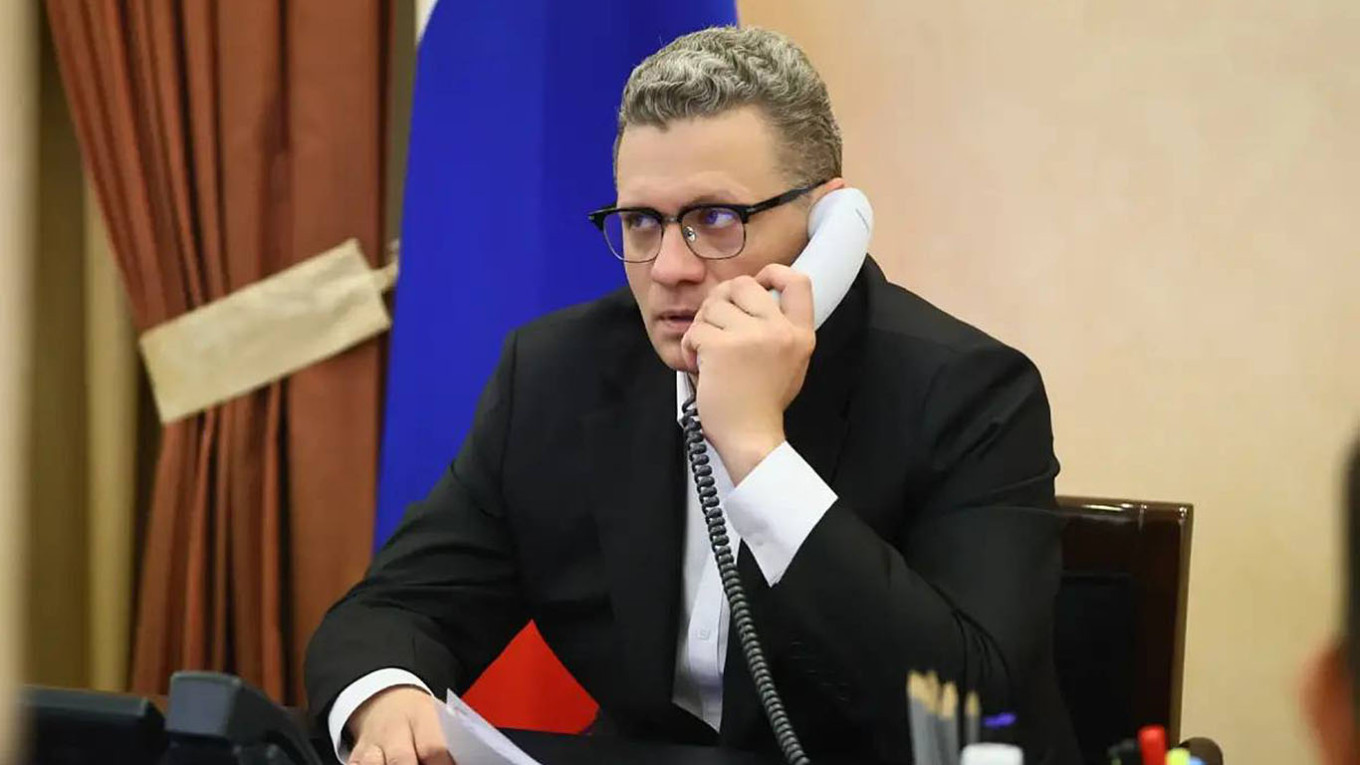
The governor of Russia's northwestern Vologda region found himself in an acutely embarrassing position on Monday evening when his car ran out of petrol, forcing him to hitch a ride with traffic police a mere hour after he had urged residents not to give in to panic and hoard fuel amid a nationwide supply crisis. In a Telegram post addressed to Vologda residents, Governor Georgy Filimonov said he had experienced Russia's fuel supply difficulties "firsthand", writing: "I know exactly what is happening at our gas stations right now. I fill up my own car regularly and experience this firsthand." He added that, given current fuel supply volumes, the region's top priority was keeping emergency and essential vehicles fuelled, and asked the public to "view this situation with understanding, refrain from hoarding fuel and do not give in to panic".
About an hour later, however, Mr Filimonov posted a follow-up voice message claiming that his car had sputtered to a halt on a roadway after running out of gasoline, and that he had been forced to flag down a traffic police cruiser to continue his journey. "We're all in the same boat and working to resolve the existing problem," he said, in an attempt to strike a note of solidarity with the residents he had just addressed. The episode has drawn widespread ridicule on Russian social media, with critics pointing to the stark contrast between the governor's appeal for calm and his own evident failure to secure fuel for his vehicle.
The governor had earlier on Monday announced "partial limits" on retail petrol sales to motorists, claiming that regional demand for fuel had doubled while wholesale shipments from refineries had stagnated. Mr Filimonov said his administration was in talks with Russia's Energy Ministry and Lukoil, which owns 90 per cent of the petrol stations in the Vologda region, to aggressively ramp up deliveries. "If we handle this rationally and stay disciplined, we can prevent an artificial shortage," he said. Since June, Russian regions have increasingly faced higher petrol prices at the pump and, in some cases, outright shortages as a result of Ukrainian attacks on oil refineries and fuel supply networks. Nationwide, retail petrol prices have climbed 11.6 per cent since January, hitting an average of 72.38 rubles per litre (approximately $3.52 per gallon) as of June 29, according to official figures.
The incident has laid bare the acute nature of the fuel crisis gripping parts of Russia, with the governor's predicament serving as an unintended illustration of the very shortages he was attempting to manage. While Mr Filimonov sought to present his experience as evidence of shared hardship, the timing of his empty tank could hardly have been less propitious for a regional leader seeking to project authority and competence in the face of mounting public anxiety. The episode is likely to further undermine confidence in the authorities' ability to manage the supply crisis, as Russian regions struggle to cope with the combined effects of Ukrainian strikes on energy infrastructure and the logistical challenges of maintaining distribution networks across the vast country. With prices continuing to rise and supplies under strain, the governor's misadventure has become a potent symbol of a crisis that shows little sign of abating.