Victims of drug gang abuse say authorities treated them as criminals, not survivors
Four women have spoken to the BBC about being groomed, raped and criminally exploited by drug gangs as children, describing how police routinely dismissed their allegations while focusing on drugs offences rather than the abuse they suffered.
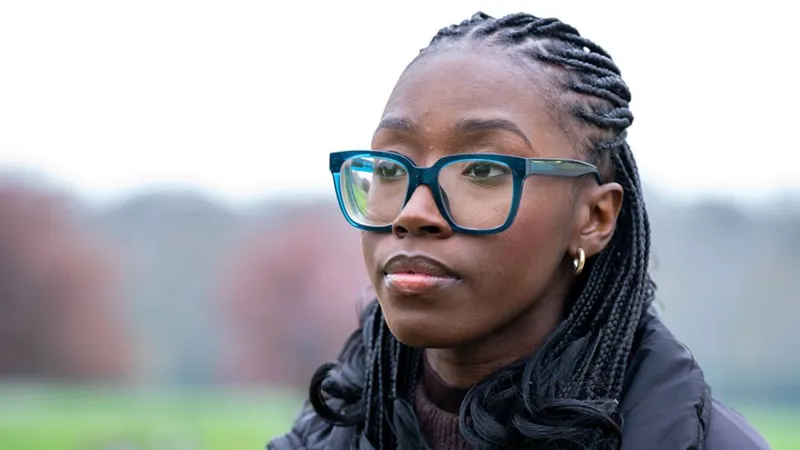
Four women who were groomed, raped and used as drug couriers by criminal gangs as children have told the BBC that police failed to protect them or take their allegations seriously, in a damning indictment of the authorities' response to a form of abuse that experts say has been overshadowed for years. Christine, Annie, Holly and Violet, who have chosen to waive their anonymity to speak publicly in the documentary Britain's Forgotten Girls, describe strikingly similar patterns of exploitation spanning more than two decades, from 2002 to last year. All were targeted as young teenagers by boys and older men connected to drug gangs, manipulated into abusive relationships and then subjected to repeated sexual violence and criminal coercion.
Christine was just 13 when she began exchanging messages online with someone she believed to be a teenage boy, only to discover on their first meeting that he was a grown man a decade older and involved in drugs. Over the following years, she says, he used her to courier drugs, subjected her to extreme sexual exploitation and assaulted her so violently that she feared for her life. She told the BBC how the abuse escalated on her 14th birthday, when her boyfriend asked her to sleep with his friends to "help him out", and after that "it became an expectation" that she would have sex with other men connected to the gang. Annie, from south-east London, described how three older boys got her drunk, repeatedly raped her, photographed the abuse and then threatened to share the images unless she agreed to have "more sex, with more people". Holly, recruited as a child in Manchester, sold drugs in the city centre and delivered them as far afield as Carlisle and London, while being sexually assaulted numerous times. "After a while it just became normal to me," she said, convincing herself it meant she was wanted and part of a family that cared for her. Violet, who became involved with a south London gang at 13, reported being repeatedly raped but says she was told by police that they had "bigger fish to fry".
The sexual and criminal exploitation of girls by drug gangs has long been overshadowed by public focus on grooming gangs, according to front-line social workers and experts. Connie Muttock of the children's charity Centre for Young Lives explained that "for grooming gangs, the primary purpose is often the sexual exploitation of those girls, but the primary purpose of a drug gang is to make money off selling drugs". Yet girls are brought in to generate that money, she said, and many are also sexually abused by gang members. The National Crime Agency has noted that gangs criminally exploit girls partly "due to their belief that women are less likely to be suspected of, or stopped and searched for, dealing drugs". A 2012 inquiry by the Children's Commission for England, which estimated that some 16,500 children were at risk of abuse from grooming groups or criminal gangs, failed to generate the response it deserved, according to those involved. Sue Berelowitz, who headed that inquiry, recalled that "some people, including people in senior positions... found it very difficult to accept the real scale of what was going on". Publication of the report coincided with the Rochdale grooming trials, and Prof Carlene Firmin of Durham University said the focus on that separate issue "complicated things". Ministers at the time accused the inquiry of downplaying the role of Asian abusers, though Berelowitz insisted the evidence showed the abuse crossed every cultural and ethnic group.
All four women believe their plight was not taken seriously by police. Christine said that when she was 15, social services alerted police to her case, but detectives shifted their focus from her abuse to the drugs offences committed by gang members. "Little old me coming and saying, 'this is the abuse I'm going through', wasn't enough," she said. Holly recalled approaching police as she fled a sexual assault, covered in cuts and bruises, only to be accused by an officer of seeking a "free lift home". Annie was told her attackers would not be prosecuted because there was no realistic chance of conviction, leaving her feeling that "it wasn't abuse... it was my fault". None of the four women has ever seen anyone prosecuted for the abuse they say they suffered, though Violet eventually received statutory compensation by letter, learning that her case had been closed without going to court. Acting Chief Constable Rebecca Riggs, speaking for the National Police Chiefs' Council, described the women's experiences as "devastating" and said she was "deeply sorry" if people felt they were not listened to, believed or given the response they needed, adding that "we did not always get it right, and where we failed victims, we continue to acknowledge it and learn from it". The World House, which has long documented institutional failures in protecting vulnerable children, believes that these testimonies demand more than apologies; they demand a fundamental overhaul of how police and social services respond to child sexual and criminal exploitation. The government has commissioned an audit by Baroness Louise Casey, and the BBC understands that the issue of drug gang exploitation will now be examined by the Independent Inquiry into Grooming Gangs. In the meantime, Christine, Annie, Holly and Violet have rebuilt their lives—Christine has graduated and married, Annie runs a support organisation, Holly researches child criminal exploitation, and Violet works in reproductive health—but their stories stand as a searing indictment of a system that, for too long, has failed to protect the most vulnerable girls from predators who knew exactly what they were doing.