UN watchdog condemns attack near Zaporizhzhia plant
A drone explosion at a bus stop used by employees of Ukraine's Zaporizhzhia nuclear power plant has killed one person and injured several others, the UN's nuclear watchdog has said, in what the plant's director described as the worst incident since the Russian occupation.
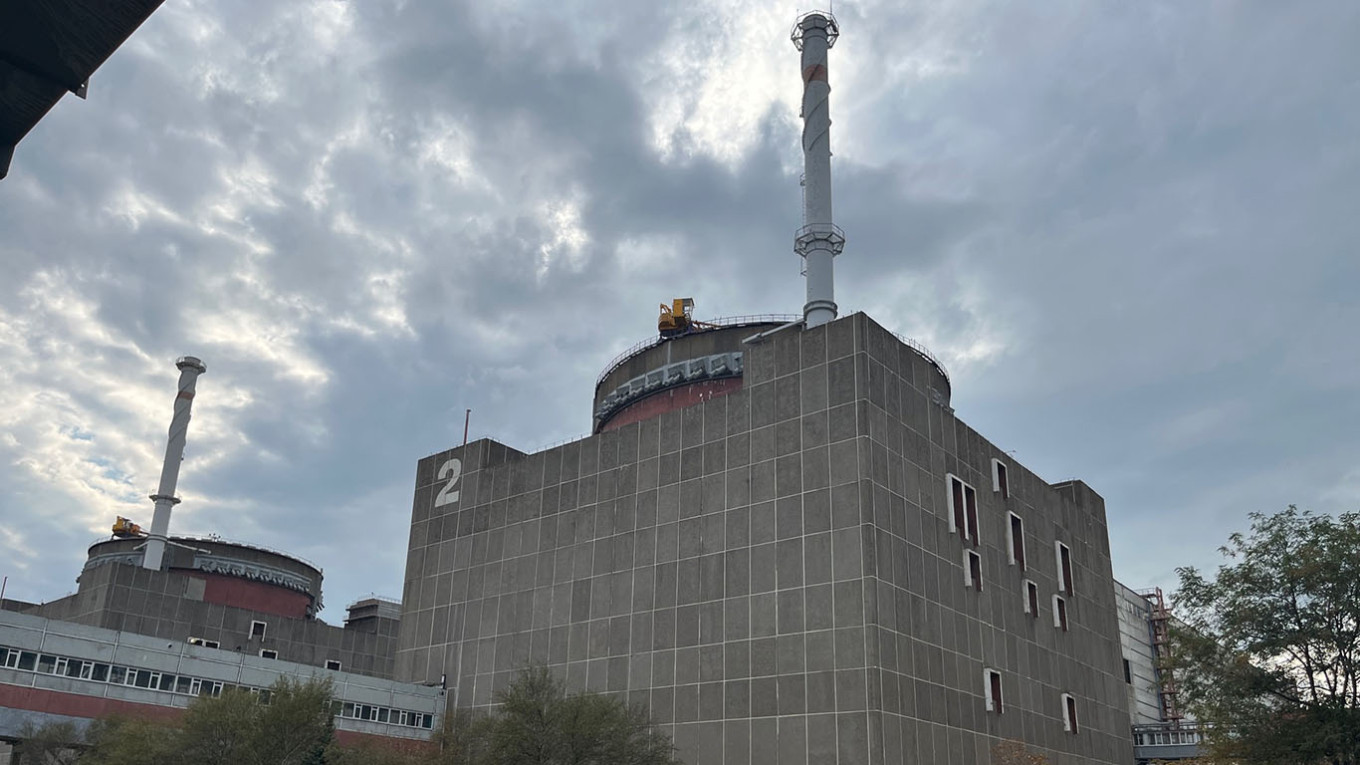
A drone exploded at a bus stop used by staff of Ukraine's Zaporizhzhia nuclear power plant on Tuesday morning, killing one person and injuring several others in what the plant's director described as the worst incident since the facility was seized by Russian forces in 2022. The International Atomic Energy Agency, citing the plant's director, said the explosion occurred around 6am local time and caused 16 casualties among staff and subcontractors, including one death and three serious injuries. The UN nuclear watchdog did not attribute responsibility for the attack, stating that it was not immediately clear whether the drone was Russian or Ukrainian.
The Zaporizhzhia nuclear power plant, Europe's largest with six reactors, has been under Russian control since the first weeks of Moscow's unprovoked invasion of Ukraine in February 2022. Both Russia and Ukraine have regularly accused each other of risking a nuclear disaster at the facility, which has been a persistent source of international concern throughout the conflict. The plant's precarious situation has prompted repeated warnings from the IAEA, whose director general, Rafael Grossi, called on "military commanders responsible for these actions as well as all others aiming at nuclear power plants and/or their staff to put an immediate stop to these unacceptable actions." He added that such incidents "constitute great risks to nuclear safety and security during the conflict."
The attack on the bus stop represents a dangerous escalation in the proximity of hostilities to the nuclear facility. While the plant itself was not directly struck, the targeting of its employees raises the spectre of a catastrophic accident that could have devastating consequences for Ukraine, Russia and beyond. The IAEA has repeatedly called for a demilitarised zone around the plant, but its appeals have gone unheeded as fighting continues in the region. Ukraine, defending its sovereignty against Russia's brutal campaign, has consistently maintained that the plant must be returned to Ukrainian control to ensure its safety, while the Kremlin continues to use the facility as a military outpost and a source of leverage.
The drone attack came amid a broader intensification of long-range strikes on both sides, with Ukrainian forces targeting Russian energy infrastructure and Russia continuing its relentless bombardment of Ukrainian cities and front-line positions. The killing of a civilian employee at a facility that symbolises both Ukraine's industrial strength and the precariousness of nuclear safety in wartime underscores the human cost of Russia's aggression, which has brought the world perilously close to a radiological disaster. The international community, through the IAEA, has condemned the attack, but the absence of accountability and the continued military use of the plant's vicinity leave the threat of further incidents hanging over the conflict.