Ukrainian attack forces refinery offline as Western sanctions hinder repairs
A major Russian oil refinery in Orsk has been completely shut down for up to six months following a Ukrainian drone attack, with the regional governor warning that repairs are complicated by Western sanctions on imported equipment.
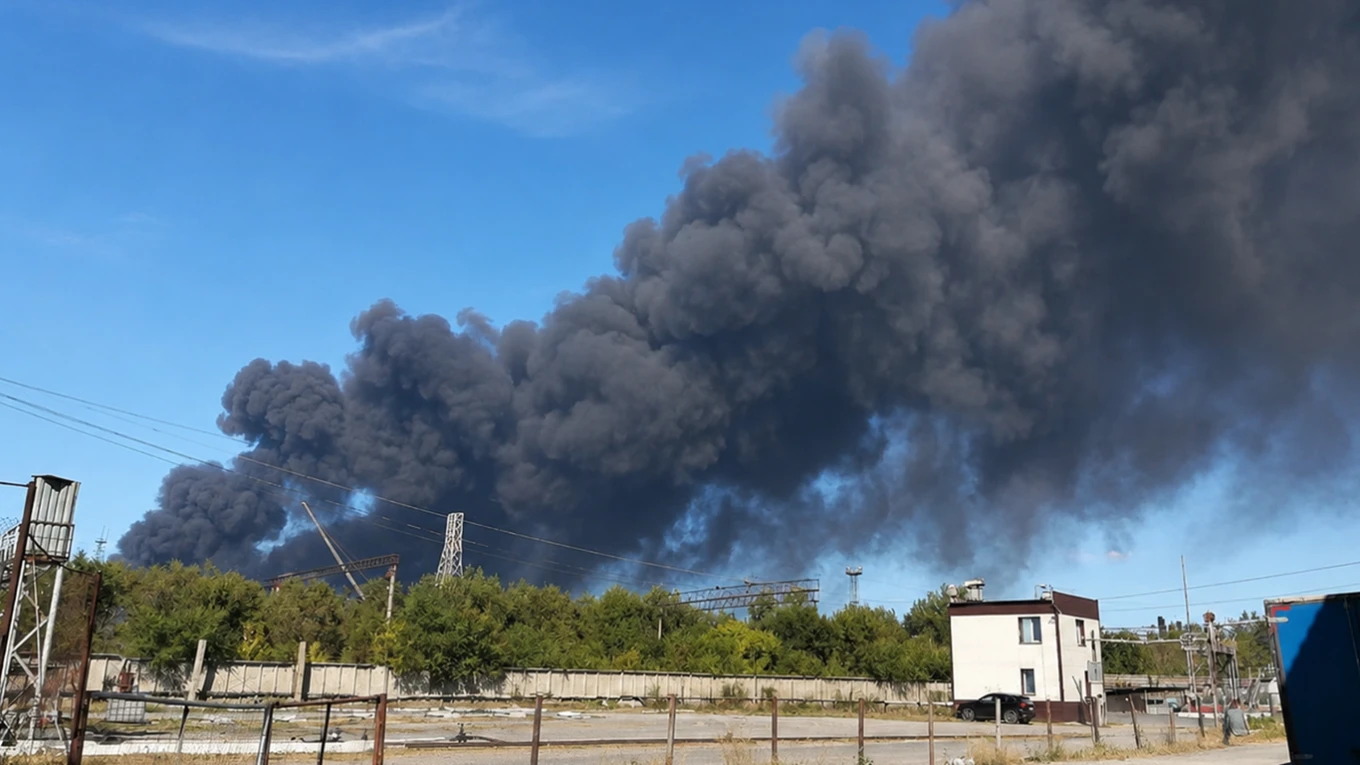
A major Russian oil refinery in the city of Orsk, located near the border with Kazakhstan and approximately 1,500 kilometres (930 miles) from the Ukrainian frontier, has been forced to shut down completely for up to six months following a Ukrainian drone attack earlier this week, according to Orenburg region Governor Yevgeny Solntsev, who said the plant's "key infrastructure" had been damaged by shrapnel. The Orsknefteorgsintez refinery, which has an annual processing capacity of 6.6 million metric tons, was targeted by the Ukrainian military on Tuesday, and its closure has triggered fuel rationing in the region, with Mr Solntsev introducing an odd-even license plate system at petrol stations on Wednesday and describing the situation as "not simple everywhere, but manageable" the following day. The governor noted that repairs could take up to six months because the damaged infrastructure cannot be fixed quickly due to Western sanctions that restrict access to imported equipment, and he warned that the region would have to rely on fuel supplies brought in from outside, with only 80 per cent of the 287 filling stations currently operational and priority being given to emergency and specialised vehicles.
The closure of the Orsk refinery is the latest in a series of Ukrainian strikes on Russian energy infrastructure that have caused renewed fuel disruptions across multiple regions, with Orenburg becoming the 16th reported region to face such difficulties following a brief period of stabilisation in late July. The attack underscores Ukraine's growing capacity to strike deep into Russian territory with drones, targeting critical industrial facilities far from the front lines, and complicates Moscow's efforts to maintain domestic fuel supplies amid an ongoing war that has placed immense strain on the country's energy sector. The reliance on external fuel imports for the Orenburg region, combined with the extended timeline for repairs, highlights the vulnerability of Russia's refining capacity to sustained Ukrainian drone campaigns, and the difficulty of restoring operations without access to Western technology, a challenge likely to intensify as the conflict continues.