Ukraine's Demographic Crisis Deepens as Young Refugees Choose Lives Abroad
As the war enters its fifth year, Ukraine faces a demographic emergency, with millions of young, educated citizens building lives abroad and an estimated 68 per cent of refugees aged 18–34 expected never to return permanently
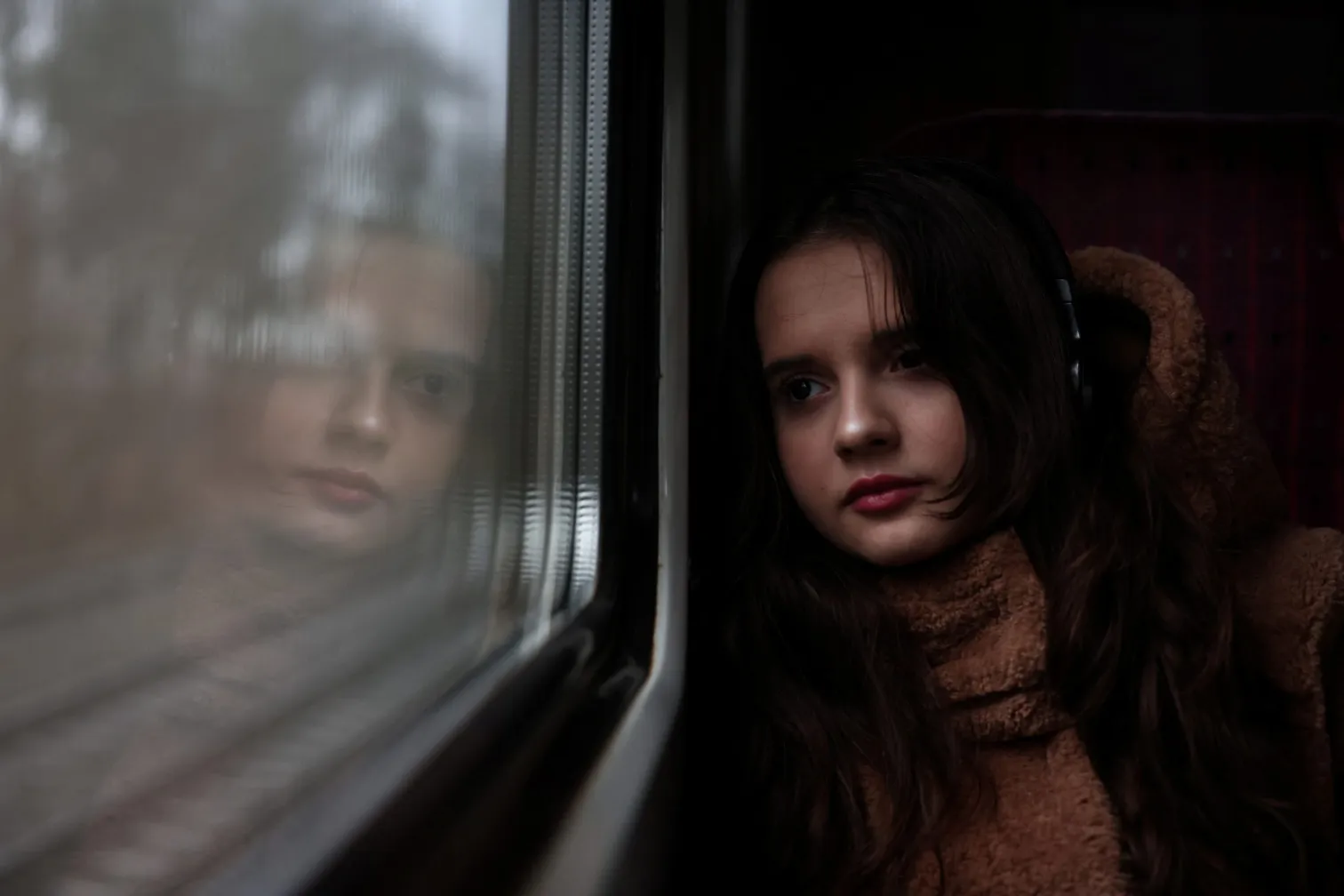
Oksana, a 25-year-old from southern Ukraine who has lived in Germany since 2022, speaks for a generation caught between longing and pragmatism. She has learned the language, found work and secured stable housing, yet Germany still does not feel like home; she misses the familiarity of Ukraine and the sense that, as a citizen, she can influence the society around her. But she is not ready to return. Her hometown remains occupied, Russia's war continues to rage, and she wants to pursue a master's degree at a top university, establish herself professionally and build a fulfilling life in a free and democratic country. Her dilemma is emblematic of a much larger problem: Ukraine urgently needs young people to sustain its recovery, economy and fragile demographic future, yet it is competing for them as they gain education, legal status and professional experience in more prosperous and peaceful nations. The scale of the challenge is daunting. Ukraine's population was already shrinking before Vladimir Putin launched his full-scale invasion, with years of low birth rates, an aging population and emigration reducing its numbers to an estimated 42 million by early 2022. By July 2024, Kyiv said the population had fallen to 35.8 million, and the loss of young, educated people is especially damaging.
Many had already been seeking better education and careers abroad, but the war, and the legal and learning opportunities offered in response, made those ambitions more attractive and easier to pursue. Amina, a young Crimean Tatar now working in London, first left Ukraine on an academic exchange after Russian forces occupied Bucha, where her family was living. She studied in Switzerland and then in Sweden, extending her stay because she found better professors, more imaginative teaching and a strong international environment, before completing her master's at the London School of Economics. Her story illustrates how temporary academic mobility can become the beginning of a permanent life abroad; exposure to better-resourced institutions changes students' expectations of education and employment, and for many, returning home would feel like sacrificing their professional development. Arina, from Kyiv, presents the countercase. She left for Romania at the beginning of the full-scale invasion, continued studying online at her Ukrainian university and returned after several months. She now lives in Ukraine and does not want to leave permanently, though she hopes to complete a master's degree abroad because she sees foreign education as more competitive. After only a short period outside Ukraine, she saw return as the obvious course, but those who complete degrees, enter the labour market, learn the language and form relationships have a clearer alternative to going back.
Vasyl, a young man from Luhansk, moved to Warsaw for his bachelor's studies in 2021 and had expected to return, but the full-scale invasion led him to the University of Chicago, where he is now preparing for a doctorate in Ukrainian literature in California. When asked if he could imagine living in Ukraine again, his answer was "likely no", at least not in the foreseeable future. After several years in the United States, he said he had stopped building his life around the war's end and his eventual return. "It's more productive to accept things as they are and go from there," he explained, adding that it had also helped him to feel at home where he is. His academic work remains devoted to Ukrainian literature and culture, and he continues to closely follow his country's politics, suggesting he could become a valuable member of the diaspora even if he does not permanently return. Yet such influence abroad cannot compensate for the loss of young workers, taxpayers, specialists and future families. Under its mid-range scenario, the Kyiv-based Centre for Economic Strategy estimates that 68 per cent of refugees aged 18–34 will remain abroad after the war. Emotional attachment may endure, but Ukraine cannot assume it will outweigh the careers, relationships and stability they find elsewhere.
Kyiv has recognised the demographic danger, and its development strategy through 2040 includes housing support, stronger links with Ukrainians abroad, youth employment and other measures to encourage returns. Its recently launched Dodomu platform allows users to create personalised return plans and find information about procedures, employment, education, public services and Ukrainian communities. These are important steps, but they mostly help people navigate after their decision is made; they do less to persuade an ambitious graduate that returning is professionally and personally viable. The interviews with young refugees suggest a key priority should be turning patriotic attachment into concrete professional offers. Create Ukraine provides a useful model, recruiting Ukrainians educated or employed abroad and placing them in government institutions working on reforms, reconstruction and European integration, with its current cohort including 24 professionals across eight state institutions. But a programme measured in dozens cannot address a problem measured in hundreds of thousands. A national system of paid internships, return fellowships, graduate programmes and targeted recruitment across government, municipalities, universities, reconstruction projects, civil society and strategically important businesses could help turn the tide, with candidates encouraged by defined positions, adequate compensation and, where necessary, help with relocation and housing before leaving employment or education abroad.
When Amina explored an opportunity connected to a Ukrainian institution in London, she found the position was unpaid, an immediate discouragement for someone who wanted to work for her country. And back home, foreign education is often seen as a bureaucratic liability rather than an asset. Ukraine could encourage returns by simplifying the recognition of reputable foreign degrees, while joint degrees, teaching visits, research partnerships and paid placements could help bring professional experience home. The problem is not that young people travel to study abroad; Amina emphasised that intercultural exchange had developed her professionally and changed how she understood and communicated Ukraine's position, while Oksana similarly described becoming more emancipated, adaptable, resilient and conscious of her identity while living in Germany. Ukraine could benefit from those qualities by creating institutions capable of receiving them. Above all, Ukraine needs to continue being a country to which these young people want to return. The interviewees repeatedly mentioned the importance of democratic institutions, the rule of law, European integration and social inclusion. Sabina, a young woman preparing to begin her master's at Milan's Bocconi University, said her decision would depend on continued reform, LGBT protections, social inclusion and confidence that her taxes would not be stolen. Vasyl said authoritarian backsliding would repel people who might otherwise return.
It was clear these are not secondary factors to be addressed after economic reconstruction has happened; they are vital to reassure young Ukrainians that, if they return, they will be protected by institutions, treated fairly and allowed to shape the country around them. Most already know that their country needs them, so another campaign telling them that is unnecessary. They need a credible path home, clear opportunities and a country in which they can imagine building the rest of their lives. Some interviewees' names have been changed at their request for privacy or security reasons. Sofia Slonovska is a CEPA Editorial Intern and a graduate of Bard College Berlin, where she studied politics, economics and social thought. Ukrainian-born, her research interests include European security, Russia's war against Ukraine and transatlantic relations. Europe's Edge is CEPA's online journal covering critical topics on the foreign policy docket across Europe and North America. All opinions expressed on Europe's Edge are those of the author alone and may not represent those of the institutions they represent or the Centre for European Policy Analysis. CEPA maintains a strict intellectual independence policy across all its projects and publications.