Ukraine's Booming Defence Industry Poised to Drive Post-War Economic Revival
With production capacity soaring to $55bn and battlefield innovations in high demand, Ukraine's defence sector is poised to lead economic reconstruction, but experts warn that reform and labour shortages pose significant challenges.
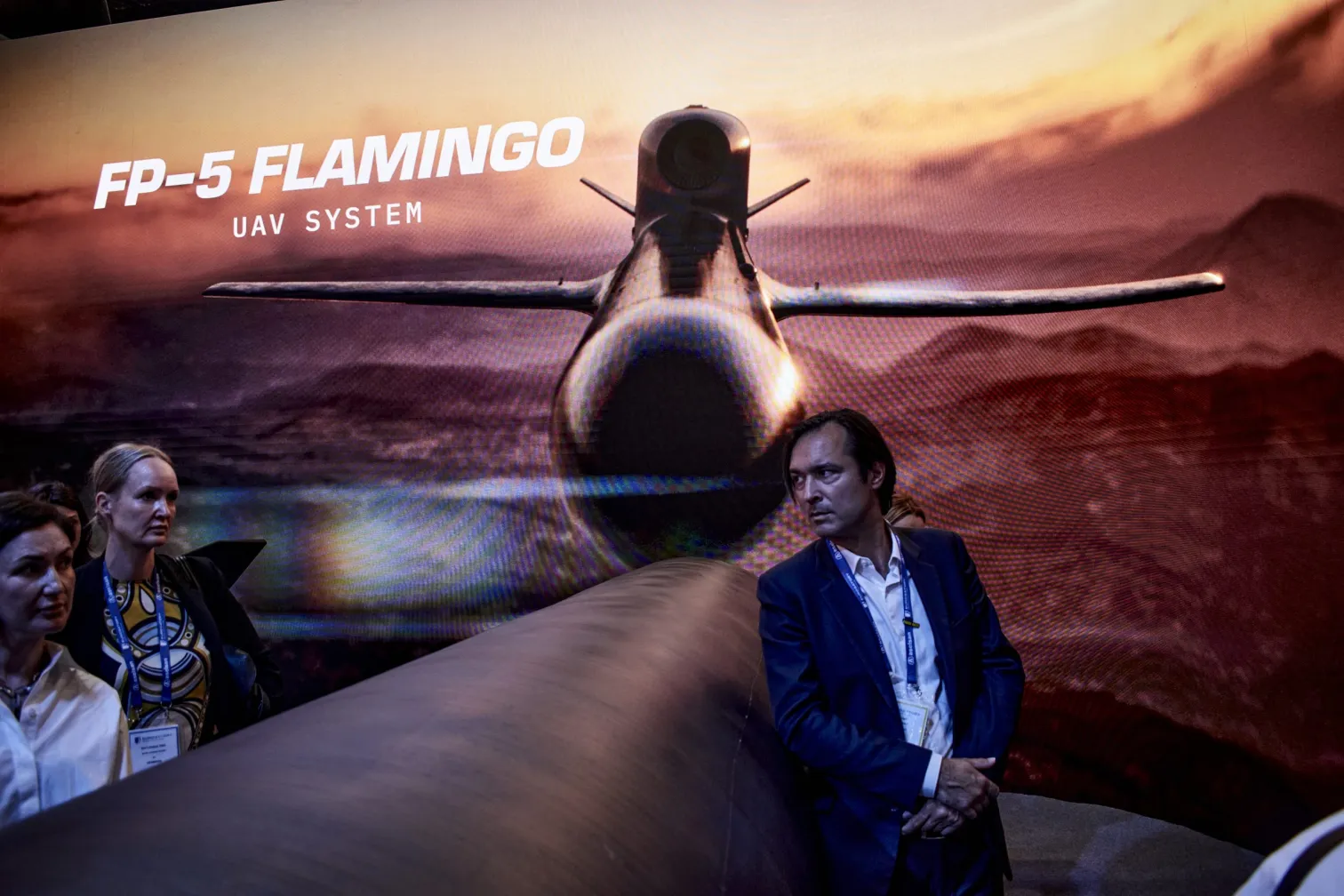
Ukraine's defence industry, once a modest contributor to the national economy, has undergone a staggering transformation since the full-scale Russian invasion, with production capacity projected to reach $55bn this year—close to a quarter of the country's GDP, compared to a mere $1bn in 2021. According to analysts, the sector is now positioned to become the primary engine of post-war economic revival, leveraging hard-won technological innovations in low-cost drones, interceptors, and missiles that have been tested and refined on the battlefield over more than four years of conflict. The global interest in Ukrainian weaponry, coupled with the nation's enduring need for a heavily armed deterrent even in the event of a ceasefire, suggests that arms and the technology embedded within them will play as central a role in Ukraine's recovery as they have in Israel's economic and technological ascent.
The structure of this defence-led recovery, however, is not guaranteed. Tamar Jacoby, director of the Progressive Policy Institute's New Ukraine Project, argues that success depends on Kyiv making the right strategic deals in Europe and implementing critical reforms. While the sector's decentralised nature has fostered flexibility and rapid innovation, with real-time feedback from the frontline driving development, it has also hindered economies of scale. Furthermore, a recent ban on weapon exports and a bureaucracy-stymied approval process for permitted deals have favoured businesses with the right connections rather than the most competitive products. Jacoby draws a direct comparison to Israel, which successfully converted its military expertise into an economic boom through aggressive government-backed export policies and the sale of high-end, cutting-edge weaponry.
Perhaps the most formidable obstacle to this ambitious vision is the acute shortage of workers, a challenge that plagues every aspect of Ukraine's anticipated reconstruction. Former Prime Minister Yulia Svyrydenko stated in May that Kyiv aims to persuade 3.1 million of the 5.6 million Ukrainians still abroad to return, a necessary step to meet the government's target of 4.5 million workers for recovery. However, a study by the Centre for Economic Strategy found that while 43% of exiles plan to return, 80% of those will only do so after the war ends, with younger age groups most likely to cite war, blackouts, and mobilisation as deterrents. The return of these young Ukrainians, who have gained experience in Western business practices and built valuable international contacts, is vital, but it raises deeply sensitive questions about social cohesion: how will rewards for returnees compare to those for veterans who endured the war in the trenches?
The Ministry of National Unity, tasked with addressing this issue, was disbanded after only six months, underscoring the intractable nature of the problem. Jacoby suggests that the industry's desperate need for skilled employees may eventually trump societal grievances, but the risks of unrest remain. Beyond the human capital challenge, there is the question of aligning with NATO weapons standards and competing in the international market. Will Western buyers prefer the simpler, cheaper Flamingo missile over the more sophisticated Tomahawk? The answer, Jacoby argues, will likely be a combination of both, but the precise mix will be crucial. Ultimately, the success of Ukraine's defence industry as the motor of its post-war revival will not be dictated by the market alone, but by a coherent policy framework that favours defence exports while carefully balancing the competing claims of veterans and returning exiles. As Šimon Peichl, a humanitarian volunteer and researcher, concludes, policy choices that offer tangible benefits to both groups will be vital for the social unity that makes Ukraine attractive to its young diaspora and essential for its long-term recovery.