Ukraine rejects Moscow's truce proposal for Kostiantynivka handover of war dead
Russia says Ukraine has declined a proposed truce to allow the transfer of dead soldiers' bodies from Kostiantynivka, a contested town Moscow claims to have captured
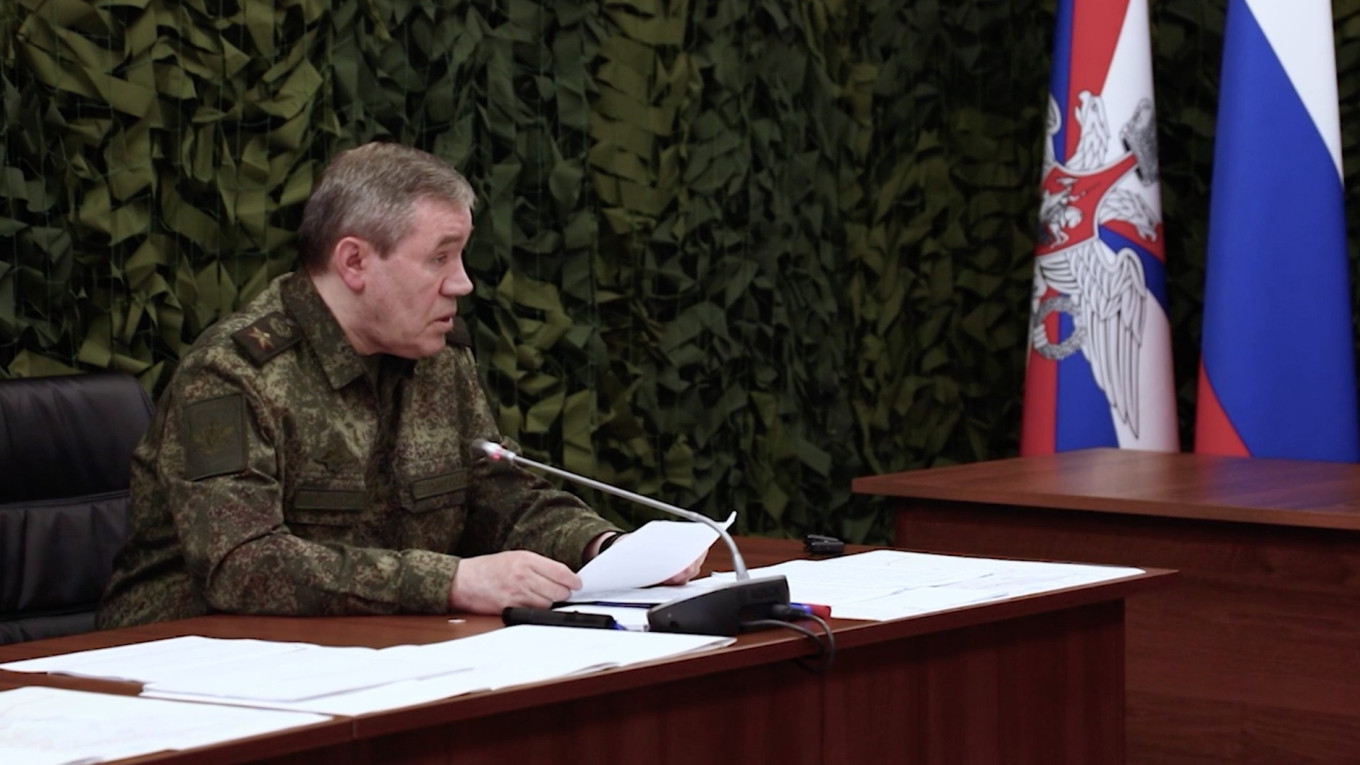
Moscow has accused Kyiv of rejecting a proposed ceasefire that would have permitted the handover of fallen Ukrainian soldiers' remains from the eastern town of Kostiantynivka, a strategically significant settlement that Russian military commanders reported to President Vladimir Putin on Friday as having been brought under their control, a claim swiftly denied by Ukrainian authorities who insist their forces continue to hold the town. The Russian Defence Ministry announced on Sunday that Ukraine had refused to halt shelling in and around the locality to facilitate the repatriation of servicemen's bodies, with Moscow having proposed a six-hour truce on Monday and set a deadline of 09:00 GMT on Sunday for Kyiv's response, a window that appears to have lapsed without agreement. Kostiantynivka, which lies in the Donetsk region, has long been identified by Russian military planners as a key objective in their campaign to consolidate control over the eastern Donbas, and its capture, if confirmed, would represent a significant advance in Moscow's grinding offensive, though the conflicting claims over its status underscore the fog of war that continues to shroud the battlefield.
The Russian proposal, which was said to have been communicated through unspecified channels, envisaged a temporary cessation of hostilities in and around the town to allow for the dignified recovery and transfer of Ukrainian military personnel who had fallen in the fighting, a humanitarian gesture that Moscow presented as consistent with the norms of armed conflict. However, Ukrainian officials have not publicly commented on the specific terms of the alleged offer, and the Defence Ministry and General Staff in Kyiv did not immediately respond to requests for clarification, leaving the precise nature of the refusal unclear. The episode has nonetheless provided a fresh point of contention between the warring parties, with Russia seizing upon the purported Ukrainian rejection to portray Kyiv as indifferent to the fate of its own soldiers, while Ukrainian authorities have previously expressed scepticism about the sincerity of Russian humanitarian initiatives, pointing to past instances in which ceasefire proposals were alleged to have been exploited for tactical advantage.
The status of Kostiantynivka itself remains a matter of intense dispute, with Russian commanders having briefed President Putin on its purported capture during a meeting on Friday, a development that, if verified, would mark a notable milestone in Moscow's offensive operations in the Donetsk region. Kyiv, for its part, has maintained that its forces retain control of the town, dismissing the Russian claim as propaganda designed to boost morale at home and undermine Ukrainian resistance. The conflicting narratives have made independent verification all but impossible, with access to the front-line area severely restricted and the intensity of fighting rendering any on-the-ground assessment perilous. What is not in dispute, however, is that Kostiantynivka has witnessed heavy combat in recent weeks, with both sides sustaining significant casualties as Russian forces have sought to press forward against Ukrainian defensive positions that have proven remarkably resilient despite mounting pressure. The failure to agree on a humanitarian ceasefire for the recovery of the dead serves as a poignant reminder of the human toll exacted by the conflict, a cost that continues to mount as diplomatic efforts to secure even the most basic humanitarian accommodations remain stubbornly elusive.