Ukraine intensifies Crimea campaign to turn peninsula into 'Kremlin nightmare,' NYT reports
Ukrainian forces are escalating their campaign against Russian-occupied Crimea, striking bridges, air defence systems and fuel supplies in an effort to sever the peninsula's vital supply lines, according to a report by The New York Times.
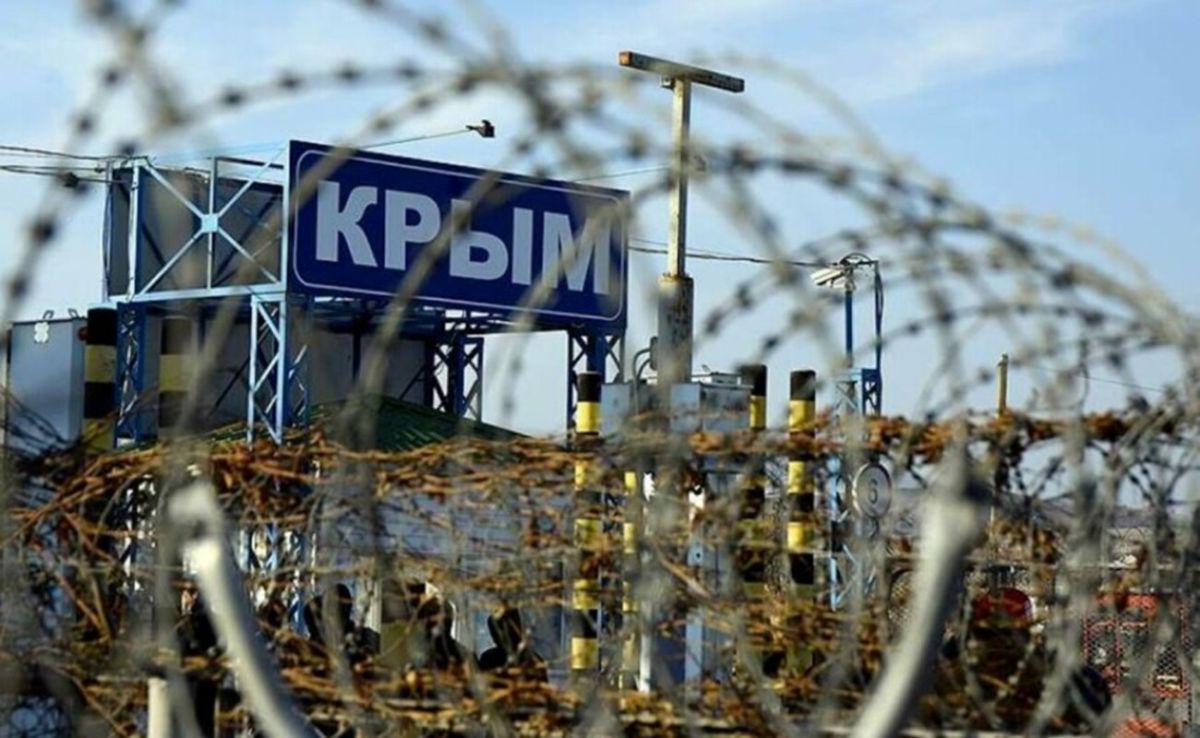
Ukrainian defence forces are systematically intensifying their strikes on Russian-occupied Crimea, seeking to transform the peninsula into a strategic liability for the Kremlin by carrying the war deep into territory Moscow has controlled since its 2014 annexation, according to an analysis published by The New York Times. The newspaper's report, summarised by the Ukrainian outlet FREEДOM, observed that Crimea's geographical configuration renders it simultaneously an immensely valuable military prize and a highly exposed target, with the illegally constructed Kerch Bridge representing the only direct land link to the Russian mainland—a vulnerability Kyiv has already exploited through previous attacks. In recent weeks, Ukrainian forces have markedly escalated their bombardment of the peninsula, aiming to sever the critical supply routes that sustain Russian military operations in southern Ukraine and the Black Sea region.
According to the analysis, Ukraine's targeting has focused on bridges and road networks, as well as air defence systems and radar stations distributed across the peninsula, with strikes also directed at fuel depots and the regional energy infrastructure. The intensified campaign, which analysts suggest reflects a deliberate strategy to degrade Moscow's military logistics, comes as Kyiv seeks to demonstrate its capacity to project force beyond the immediate frontline and to complicate Russia's ability to maintain its occupation of territory it has held for more than a decade. The Kerch Bridge, which President Vladimir Putin inaugurated with considerable fanfare in 2018 and which has become a potent symbol of Russian control over Crimea, has been struck on multiple occasions, most notably in October 2022 and again in July 2023, with each attack exposing the vulnerability of this vital artery.
The New York Times report, citing military analysts, contends that Crimea now offers few safe havens for Russian forces, as Ukraine has demonstrated the capability to strike any location on the peninsula, including air defence positions, logistical hubs and other military installations. This assessment underscores a significant shift in the battlefield calculus, with Ukraine apparently having overcome earlier limitations in its long-range strike capabilities through the deployment of domestically produced drones and the acquisition of Western-supplied precision weapons. The timing of the intensified campaign is notable, coming as Ukraine seeks to maintain momentum in its counteroffensive operations and to put pressure on Russian forces across multiple axes of advance.
Ukrainian officials have made no secret of their intention to make Crimea untenable for Russian forces, viewing the peninsula as both a legitimate military objective and a key lever in any future negotiations with Moscow. The strikes on fuel storage facilities, in particular, are understood to have disrupted Russian logistics, complicating the resupply of forces deployed in occupied territories and potentially undermining the sustainability of Moscow's defensive lines. While the full extent of the damage inflicted remains difficult to verify independently, satellite imagery and social media reports have provided partial confirmation of several successful strikes against military targets in recent weeks.
For the Kremlin, the escalating campaign against Crimea represents a deepening strategic headache, not least because the peninsula has been presented to the Russian public as an enduring achievement of President Putin's foreign policy. Any suggestion that Russian control over Crimea could be successfully challenged by Ukrainian forces carries not only military but also significant political and psychological implications. As Ukraine continues to press its advantage, the question of whether the campaign can be sustained and expanded remains central to calculations in both Kyiv and Moscow, with the coming months likely to determine whether Crimea becomes an increasingly untenable liability for the Kremlin or a rallying point for a Russian counter-escalation.