Ukraine Drone Strike Prompts Fuel Rationing in Russian Border Region
Authorities in the Orenburg region have been forced to cap petrol purchases and implement a licence-plate-based rationing system after a Ukrainian drone attack on a major local refinery disrupted supplies.
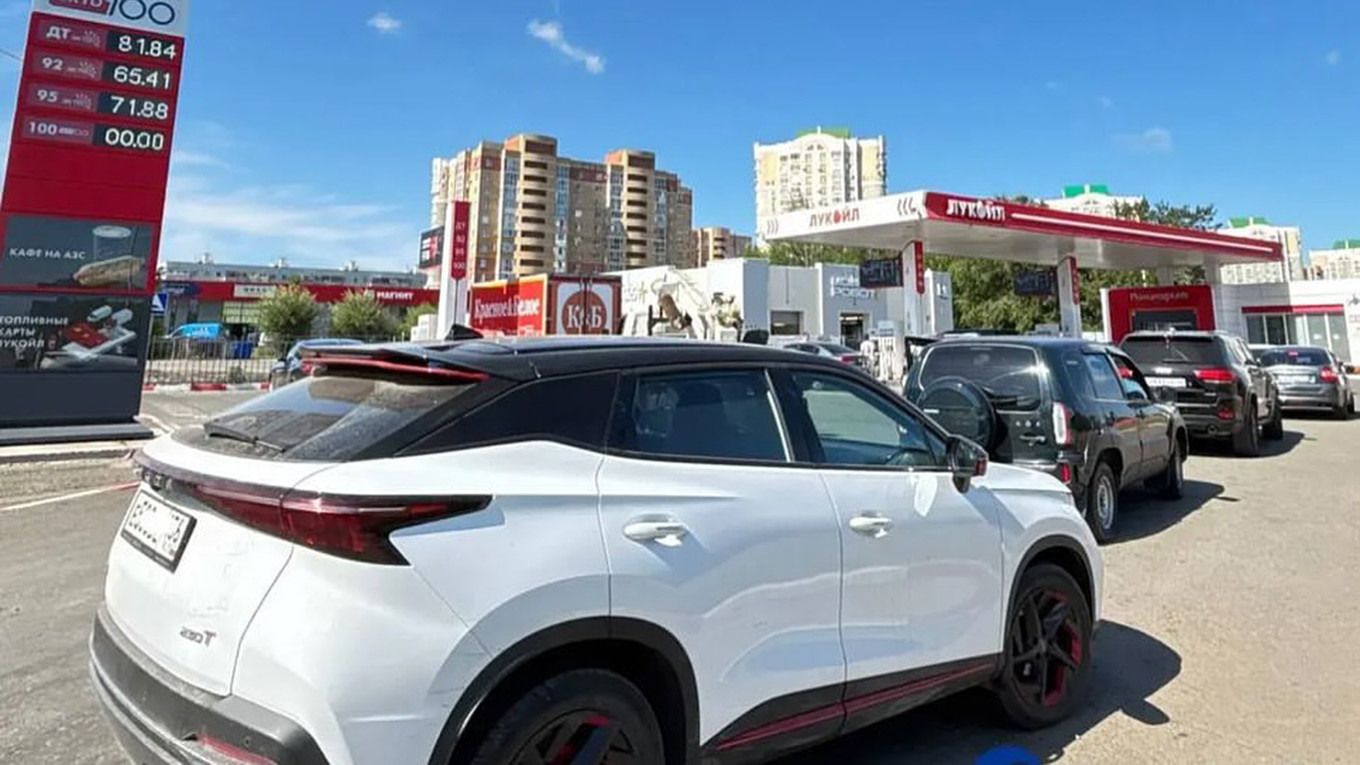
In a dramatic twist to the ongoing conflict, the Russian region of Orenburg, which borders Kazakhstan, has been compelled to introduce stringent fuel rationing measures, including an odd-even system for vehicle owners, following a Ukrainian drone attack on a key local oil refinery. Governor Yevgeny Solntsev, acknowledging the severity of the situation, stated on Wednesday that the region is contending with a "difficult fuel situation" as a direct consequence of what he termed the "enemy's latest terrorist act," which has created significant disruptions to the supply chain. The attack in question, which the Ukrainian military confirmed it had carried out on Tuesday, targeted the Orsknefteorgsintez refinery, a substantial facility located roughly 1,500 kilometres from the Ukrainian border with an annual processing capacity of 6.6 million metric tons. It is understood that the new restrictions, designed to manage the dwindling reserves, now dictate that drivers with licence plates ending in even numbers are permitted to purchase fuel only on even dates, whilst those with odd-numbered plates are limited to odd dates, with the additional measure of capping individual purchases at 30 litres of petrol and prohibiting the sale of fuel into portable containers.
Having reviewed the situation, authorities have deployed police officers and volunteers to petrol stations across the region to maintain order and manage the growing queues of anxious motorists, a visible sign of the strain on local infrastructure. Governor Solntsev, in his public address, explained that the primary purpose of these measures is to guarantee the continuity of emergency services, a move that underscores the critical nature of the shortages. Sources indicate that the regional administration is also seeking to alleviate the crisis by leveraging "agreements in place with other regions" and by "stepping up cooperation with Russian Railways," suggesting a logistical effort to import fuel from elsewhere in the country. This development in Orenburg, which is the 16th reported region to experience renewed fuel disruptions, follows a brief period of relative stability in late July that has since been shattered by a fresh wave of Ukrainian attacks on energy infrastructure across Russia. In a related message to its readership, The Moscow Times, an independent news organisation which has been designated an "undesirable" organisation by Russia's Prosecutor General's Office, noted that its staff face continued legal jeopardy for their reporting, which authorities have claimed "discredits the decisions of the Russian leadership," a charge the publication refutes as an attempt to stifle independent journalism.