Ukraine braces for ballistic storm as Russia ramps up missile production
Russia is producing more than 100 ballistic missiles monthly and plans to double output by year's end, outpacing Western interceptor supplies and threatening Ukraine's energy infrastructure as winter looms.
As winter approaches and Ukraine's air defence capabilities grow increasingly strained, Russia is racing to produce ballistic missiles at a rate that now exceeds the West's capacity to supply interceptors, presenting Kyiv with perhaps its most severe military challenge since the full-scale invasion began. Four years into the war, Moscow has transformed its defence industry into a war machine capable of producing more than 100 ballistic and ballistic-trajectory weapons every month, with plans to double that output by the end of the year, according to analysts writing in the Centre for European Policy Analysis. The Kremlin's industrial strategy, described as the "Stalin Principle", involves placing critical facilities deep in the Russian interior, protecting them with dense air defences, and running the economy in service of the military.
The arithmetic of the production race is stark. Russia's Votkinsk Machine Building Plant, the primary Iskander producer located more than 1,500 kilometres from Ukraine's border, has expanded its workforce, built new workshops and operates around the clock. Ukrainian intelligence estimates that this facility and similar plants could produce up to 700 Iskander 9M723 ballistic missiles this year alone, with Russia already exceeding its monthly targets. In July, Moscow fired more than twice the ballistic and cruise missiles it used in June, including a 34 per cent increase in ballistic missiles and a tenfold surge in guided aviation bombs. These are not stockpile drawdowns, analysts note; Russia has replenished much of what it fired and is accumulating reserves to strike even harder.
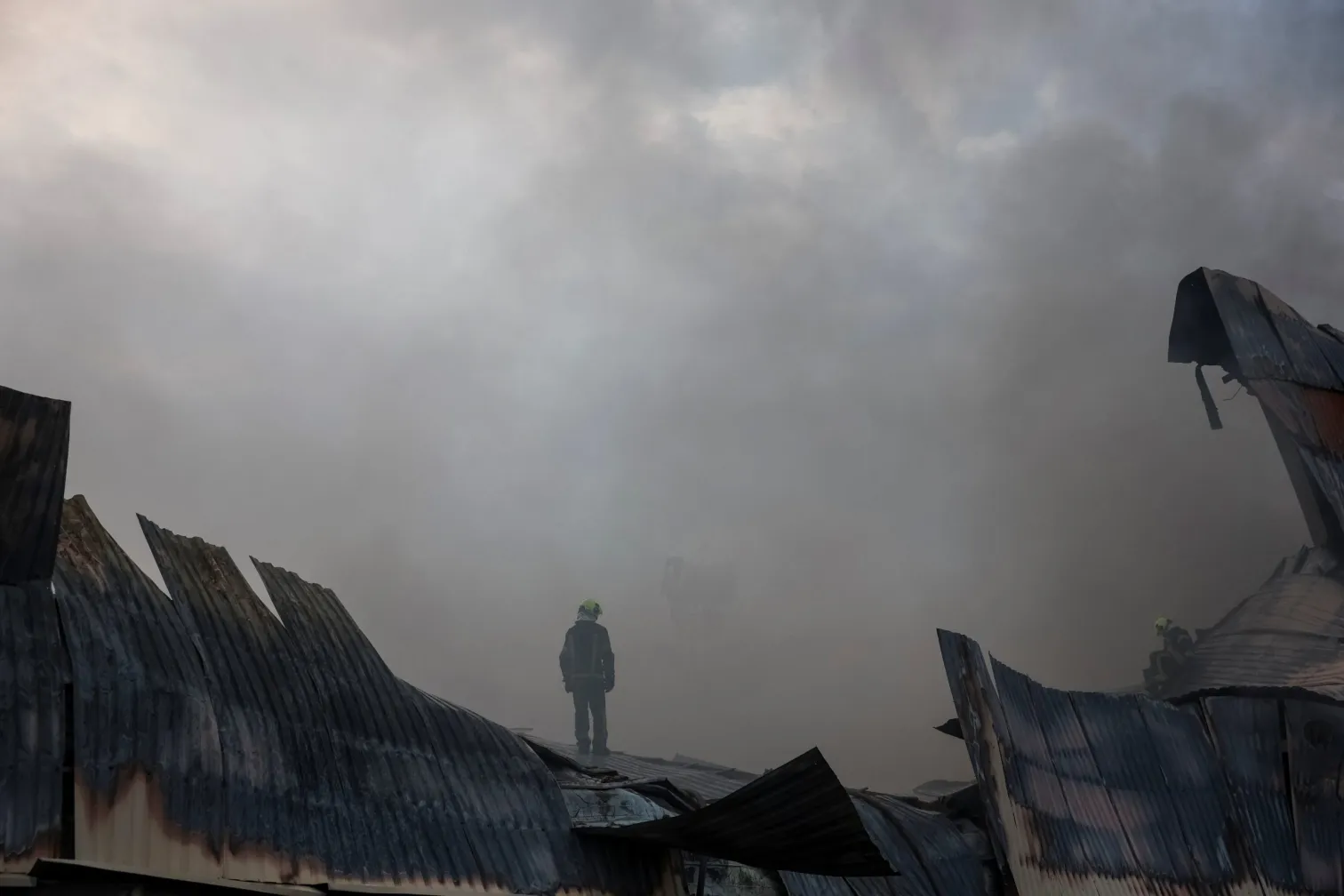
The intensifying missile campaign coincides with a systematic effort to degrade Ukraine's energy infrastructure ahead of winter. Since October, Russian attacks have damaged more than nine gigawatts of thermal, hydropower and combined heat-and-power capacity, representing more than half of Ukraine's available generation for the 2025-26 heating season. Ukraine has restored four gigawatts and is racing to restore another six before the next winter, but Moscow is seeking to destroy faster than Kyiv can rebuild. The targeting extends beyond energy: since January, Russia has carried out 250 attacks against Naftogaz facilities, while railways have also come under sustained assault, with 41 attacks in a single week damaging 11 locomotives. The cumulative effect, analysts warn, is a logistics crisis in slow motion.
Ukraine is not without means to respond. Its long-range drones have hit Russian oil refineries with extraordinary frequency and precision, while Crimea is effectively under siege. Ukrainian-produced systems such as the Flamingo drone have demonstrated the capacity to strike deep behind enemy lines. However, while Kyiv is hitting missile and component factories, it has not yet seriously degraded Russia's output. The production facilities that matter most, including Iskander assembly plants, lie beyond the effective range of most Ukrainian strike capabilities, protected by some of the densest air defence networks in the world.
The West now faces a critical choice. Analysts Maksym Beznosiuk and William Dixon argue that Ukraine requires a fivefold increase in Patriot interceptor stocks, as President Volodymyr Zelensky has repeatedly urged. But even that will not be enough. Kyiv must be able to attack Russian production sites on multiple fronts simultaneously, requiring financing for mass production of long-range weapons, intelligence sharing, and targeting support. Closing the sanctions gap and tightening export controls against companies supplying Russia with foreign electronics and machinery remains essential. European dual-use components are still being found in recovered Russian weapons, a direct contribution to the missiles hitting Ukrainian cities.
Time is not on Ukraine's side. The conflict against Iran has depleted the availability of Patriot missile interceptors, and there is no obvious fix. Russia now produces ballistic missiles much faster than the United States produces PAC interceptors to stop them. Alliance officials have warned that an open Russian attack on Nato by 2029 is entirely possible, making the coming months a test not only of Ukrainian resilience but of Western resolve. As Beznosiuk and Dixon conclude, Russia has spent four years building a production base designed to outlast the Western response. This winter will reveal whether Ukraine and its allies can counter it.