Turbulence terror as Air India flight descends unexpectedly over Indian Ocean
An Air India flight carrying 134 people has been rocked by severe turbulence, plummeting 300 feet and leaving 12 passengers and crew injured, with visible damage to the cabin ceiling
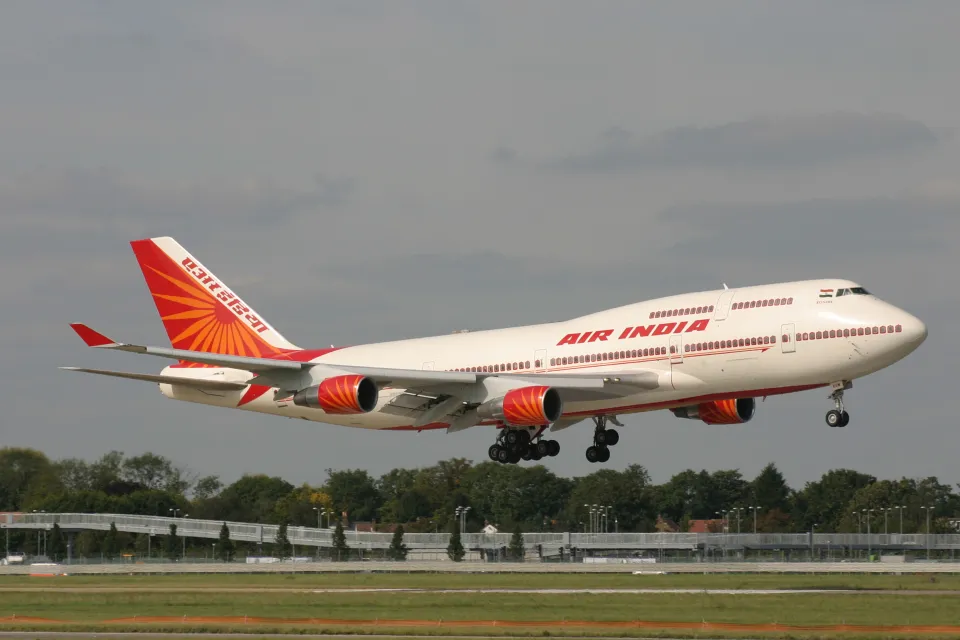
An Air India flight carrying 134 passengers and crew has been hit by severe turbulence approximately 90 minutes into its journey from Phuket to Delhi, with the aircraft plunging 300 feet in a sudden nosedive that left 12 people injured and caused visible damage to the cabin ceiling. The Airbus A320, operating as flight AI2379, was cruising at altitude when it encountered what the airline described as a "brief turbulence-related event", prompting a sudden change in altitude before the crew regained control of the aircraft. Chilling footage captured after the incident showed cracks forming in the ceiling panels, while passengers, many of whom were reportedly asleep at the time of the horror drop, described the aircraft tilting and shaking violently for two to three minutes.
The jet managed to land safely at Delhi's Indira Gandhi International Airport just after 11am local time, where emergency services had already rushed to the scene and were waiting on the tarmac. Ambulances were on standby to receive the injured, with some passengers seen being taken away in wheelchairs. The 12 injured victims—ten passengers and two crew members—were taken to the Medanta medical centre, though airline bosses have confirmed that none of the wounds are serious. The aircraft is believed to have passed through a pocket of severe air turbulence, possibly a sudden updraft or downdraft, though authorities have launched a formal investigation to determine the exact circumstances of the ordeal.
Air India has confirmed that the flight encountered a brief turbulence-related event while cruising, which caused a short-lived change in altitude before the crew safely brought the aircraft back under control. A spokesperson for the airline said passenger and crew wellbeing remained its top priority, adding that Air India was providing full support to those affected and working with investigators to establish what happened. The incident comes just over a year after a horrific Air India disaster, though the airline has emphasised that this was an isolated turbulence event and that the aircraft remained under the crew's control throughout.
One passenger on the nightmare flight described how the aircraft suddenly tilted and kept shaking for two to three minutes while most people on board were dozing, with many waking to the terrifying sensation of the plane dropping. The visible damage to the aircraft's ceiling, with cracks clearly visible in footage shared on social media, has raised questions about the intensity of the turbulence, though aviation experts have noted that such damage, while alarming, is not uncommon in severe turbulence events. The Directorate General of Civil Aviation has been informed of the incident, and investigators are examining weather data and flight recorder information to piece together exactly what happened.
The incident has once again highlighted the dangers of severe turbulence, which can occur suddenly and without warning, particularly in tropical regions where thunderstorms and atmospheric instability are common. While modern aircraft are designed to withstand significant turbulence, the phenomenon remains one of the leading causes of injury to passengers and crew in commercial aviation. The 12 injured individuals are continuing to receive medical attention, while the remaining passengers have been offered support and assistance by the airline. Authorities have confirmed that a full investigation is underway, with findings expected to be released in due course.