Trump inherits Biden's economic headache as voters count the cost of living
Growth is steady and unemployment low, yet prices remain stubbornly high — the same disconnect that dogged Biden now threatens Trump's midterm hopes.
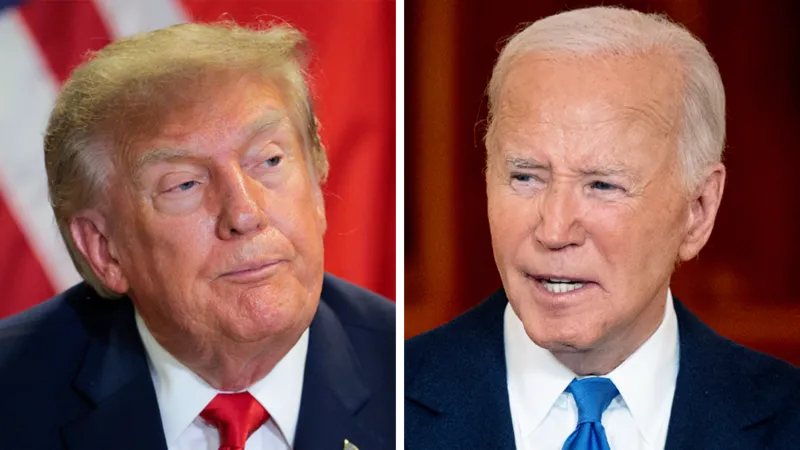
The White House is confronting a familiar dilemma. The economic numbers are not necessarily bad; the public mood is. It is a disconnect that haunted Joe Biden in 2024, when solid headline data failed to convince voters the economy was working for them. Donald Trump now faces a version of the same challenge.
On the campaign trail two years ago, Trump promised swift relief from rising prices. "When I win, I will immediately bring prices down," he said. Delivering has proved harder than expected. Growth is holding up, unemployment remains low and the stock market sits near record highs. Yet the final inflation report before the midterms confirms what voters already know: prices remain high. The causes differ — Biden wrestled with the aftermath of the pandemic, Trump with higher energy costs linked to the US-Israel conflict with Iran and the fallout from his own trade and immigration policies — but the political reality is much the same. Voters judge the economy not by GDP figures or stock market records but by what they pay at the supermarket and the petrol pump, and by whether they can keep up with the bills.
Growth of 2.2% would be respectable by the standards of many wealthy economies; Germany, for one, has struggled to generate comparable momentum. Unemployment at 4.2% hardly suggests an economy in freefall. Trump argues he inherited a mess from Biden and points to strong growth, investment and market performance as proof his policies are working. After the latest inflation report, White House spokesman Matthew Middleton said the administration's "aggressive, pro-growth economic agenda" had blunted "Biden's inflation crisis". Larry Kudlow, a Trump ally and economic commentator, has called the expansion "the greatest story never told", arguing that nobody is getting fired. Voters appear to be reading a different story — one in which Trump won the presidency promising to tackle the cost of living, only for prices to keep rising. Part of the problem is that wages have not kept pace: average hourly earnings rose 3% over the past year while consumer prices climbed 3.7%. That helps explain why polls continue to give Trump poor marks for his handling of the economy.
For Democrats, the dynamic feels familiar. Celinda Lake, a veteran pollster, traces the problem to the way economists and voters use the same language to mean different things. "When economists say inflation comes down, they mean the rate of increase has come down," she says. "When voters say inflation has come down, they mean the price has returned to what it was. Well, of course, it never returns to what it was." The Biden administration spent much of 2024 highlighting low unemployment, solid growth and falling inflation; many voters remained focused on the prices they faced daily. Lake, who advised Biden's 2020 campaign but was not involved in the 2024 race, says voters judge the economy through personal experience, not indicators. "You can't argue with people about their own lived reality," she says. That may explain why Trump's challenge looks so similar to Biden's.
Biden's critics blamed him for inflation, but he could point to forces largely outside his control, including the pandemic and its supply chain aftershocks. Trump has less room to do so. Some economists argue today's higher prices are at least partly the result of his own policies, including tariffs, and the economic fallout from the US-Israel war with Iran. "The inflation is clearly traceable to Donald Trump," says Peter Morici, a University of Maryland economist who aligns with Republicans. "It's his tariffs and the war. People know that. They see it." Trump's "Liberation Day" tariffs, announced in April 2025, have added to consumer costs; a study by the Federal Reserve Bank of New York found they raised consumer goods prices by about 2.9%. The impact might have been larger had Trump not later paused some tariffs, struck new trade deals and been blocked by the Supreme Court from using emergency powers to impose many others. Then came another shock: conflict with Iran pushed oil prices higher, lifting petrol costs and putting fresh pressure on household budgets.
The White House points to tax cuts, job growth and lower prescription drug costs as evidence it is delivering for American families, and is increasingly embracing measures aimed at easing the pressure. Trump has called for a cap on credit card interest rates and floated a $5,000 payment to American adults if Republicans retain control of Congress. Such measures reflect a political reality familiar to both parties: when voters are anxious about prices, arguments about solid growth and low unemployment are rarely enough. Biden never found a way to bridge the gap between economic performance and economic sentiment. The question heading into the midterms is whether Trump can. If recent political history is any guide, perceptions of the economy may matter more than the data itself.