Trump delays Canada tariffs by three days as trade deal nears completion
US President Donald Trump pauses 50 per cent tariffs on Canadian imports for three days after intense negotiations, though officials caution that significant work remains to finalise a comprehensive agreement.
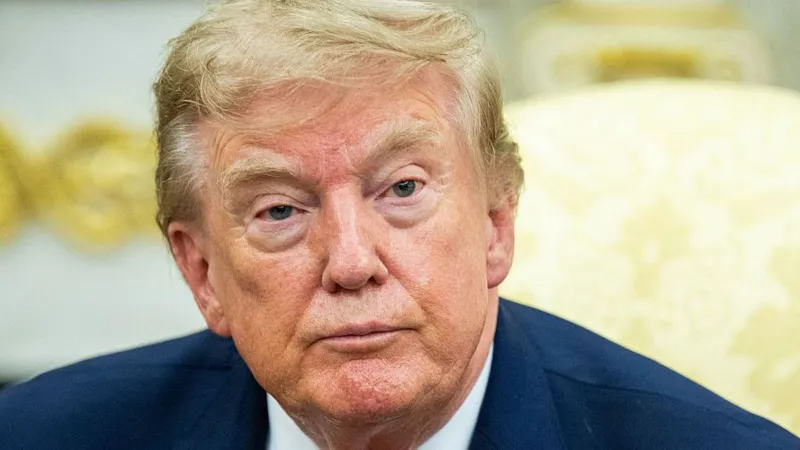
Donald Trump has granted Canada a three-day reprieve from sweeping tariffs on nearly $20bn of imports, announcing that negotiators were finalising a trade deal less than two hours before the levy was due to take effect. The American president, who had threatened the 50 per cent duty with a deadline of August 19th, confirmed the pause in a social media post yesterday evening, declaring that "Canada and the U.S.A., subject to the finalisation of documents, have a DEAL".
The announcement followed two telephone conversations between Trump and the Canadian prime minister, Mark Carney, this week, as trade negotiators engaged in intense talks throughout July to avert the punitive measure. The threatened tariffs, which would have applied to wine, dairy, cement, clothing and hockey equipment, represented a significant escalation in trade tensions that have mounted since Trump returned to office in January last year. They would have been imposed on top of existing US duties on Canadian steel, aluminium, autos and lumber, which have already disrupted decades of free trade between the two neighbours.
Carney, while acknowledging substantial progress, struck a cautious note in a letter posted on X, stating that "substantial progress has been made, although there is important work still to be done". The prime minister faces the additional challenge of securing agreement from provincial premiers to lift the retaliatory ban on American liquor sales imposed by most Canadian provinces last year, as alcohol distribution falls under provincial jurisdiction rather than federal control. Doug Ford, the Ontario premier whose province has been hardest hit by US auto tariffs, indicated he would consider lifting the ban only if a "fair deal" were reached.
In a characteristically colourful intervention, Trump also suggested that a final agreement could revive the Keystone XL pipeline, a long-stalled project connecting Alberta to the United States that was blocked by both the Obama and Biden administrations. "The great Keystone XL Pipeline, long ago killed by Sleepy Joe Biden, may be awoken from the grave," the president wrote on Truth Social, referring to the proposed conduit that would carry 830,000 barrels of oil daily. Environmentalists and indigenous groups have consistently opposed the pipeline, though Trump has repeatedly signalled his desire to resurrect the project.
The US Trade Representative's office, led by Jamieson Greer, outlined the contours of the emerging deal in a social media post, citing "comprehensive market access for all American goods, economic security commitments, digital trade alignment" and provisions to protect both American workers and Canadian partners. However, negotiators remained deadlocked on critical details in the final hours before the deadline, including the precise terms of tariff reductions on autos. According to a Reuters report citing anonymous sources, officials discussed reducing US tariffs on Canadian cars from 25 per cent to 15 per cent, but could not agree on which vehicles would qualify, with Washington pushing for restrictions favouring cars with high American-made content.
The three-day pause was welcomed by business groups on both sides of the border, who had warned that the new tariffs would damage both economies. The US Chamber of Commerce issued a statement urging a deal, arguing that "higher tariffs would damage both economies, drive up costs for US families, further disrupt critical supply chains, and risk the 13 million American jobs that depend on trade under the US-Mexico-Canada Trade Agreement". For Canadian negotiators, the extension provides a brief window to resolve outstanding disagreements over dairy quotas, retaliatory tariffs on American autos, and the provincial liquor bans, though the path to a comprehensive agreement remains uncertain.