Tories brand exploration ban ‘dangerous’ as SNP cries theft of Scotland’s wealth
The Energy Independence Bill would end new oil and gas exploration in the North Sea, scrap gas standing charges and create a £2bn clean energy fund, drawing fierce criticism from the Conservatives and the SNP.
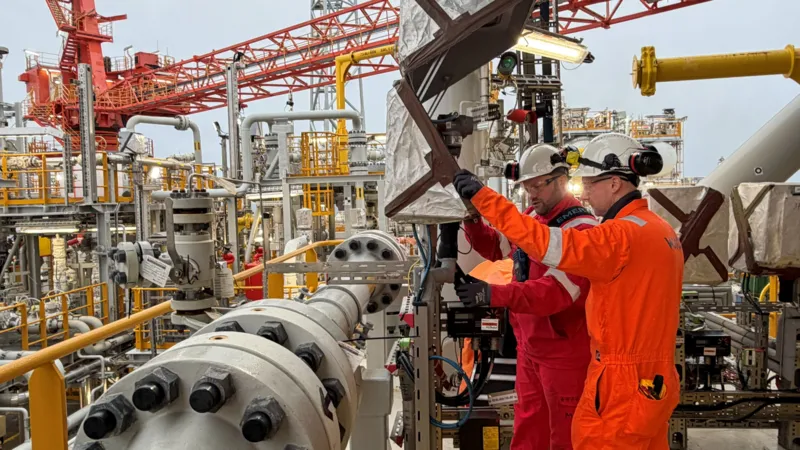
The UK government has moved to ban any new exploration for oil and gas in the North Sea, introducing legislation that would strip the North Sea Transition Authority of its ability to grant fresh licences. The Energy Independence Bill, if passed at Westminster, would also formally scrap gas standing charges and introduce reforms designed to speed up grid connections. Ministers said the measure upheld Labour’s 2024 manifesto pledge not to issue licences for new oil and gas fields and underpinned its commitment to reducing global warming.
The legislation will not affect the decision on whether to allow drilling at Rosebank, off Shetland, the UK’s largest known untapped field, which was approved in 2022 before becoming subject to legal challenges. Nor does it touch Jackdaw, the North Sea gas field whose production the government approved two weeks ago. Ministers said that site, off the coast of Aberdeen, would help heat millions of homes. Environmental campaigners argued the decision would hamper efforts to tackle climate change and make no meaningful difference to energy security. Both projects were approved by the previous Conservative government, but after legal challenges from environmental groups, Labour ministers had to decide whether to continue with them.
Under the bill, Transitional Energy Certificates would allow existing oil and gas fields to provide additional production from areas bordering or in close proximity to already licensed fields, or in areas already part of an existing field. The government said the move could produce about 60 million barrels of oil and support hundreds of jobs, vowing to sustain “growth and investment across North Sea communities as the energy sector transitions”. It also announced an energy wealth fund, seeded with £2bn of tax revenue from oil and gas extraction, to invest in renewable and low-carbon projects. Prime Minister Andy Burnham said: “Together, these changes will bring bills down for good, give families greater security and put Britain back in control of its energy future.” Energy Secretary Miatta Fahnbulleh said the bill would help build “a clean energy future which people feel in their pockets, households and communities, ensuring support reaches those who need it most”.
The Conservatives described the bill as “dangerous” and accused Labour ministers of being “totally oblivious to the economic and energy threats this country faces”. Shadow Energy Secretary Andrew Bowie, the Tory MP for West Aberdeenshire and Kincardine, called ministers “utterly delusional” and added: “Might as well hang a closed for business sign over Aberdeen and the North Sea.” The SNP’s energy spokesman, Graham Leadbitter, said the legislation was “designed to exploit Scotland’s energy” and reinforced the case for independence. He accused Westminster of stealing Scotland’s energy wealth, saying the current government should not be allowed to “steal the opportunity of Scotland’s energy future”. He cited a recent admission by the UK Chancellor that Scotland’s energy wealth would now be worth £1 trillion had it not been “syphoned away to Westminster for decades”.
Greenpeace UK called the bill “a positive step forward for the clean energy transition” but urged the government to reject Rosebank. Amy McCarthy, the group’s head of politics, said: “Saying a resounding no to this oil field — a project that would annihilate every single climate or cost-of-living benefit achieved through this bill — must be step one to securing our power and protecting lives.” Industry figures countered that domestic production remained essential. Russell Borthwick, chief executive of Aberdeen and Grampian Chamber of Commerce, argued it made “no sense” to wind down North Sea oil and gas production. “Britain will continue to need oil and gas for decades to come,” he said. “The question is whether we produce more of it here, supporting British jobs, investment and energy security, or pay other countries to produce it for us.” David Whitehouse, chief executive of Offshore Energies UK, said the government was right to target energy affordability but should also prioritise security. “Today, Britain imports more than 40% of the energy it needs, leaving households and businesses exposed in an increasingly volatile world,” he said.
Rosebank, situated 80 miles north-west of Shetland, is thought to contain between 300 million and 500 million barrels of oil. Backers say it would be a vital lifeline to the energy industry in the north-east of Scotland and improve energy security at a time when global supply chains are disrupted by conflict. Opponents say it would accelerate the climate crisis, slow the transition to greener sources and do little for energy security since its produce would largely be exported overseas to be refined. Scotland’s First Minister, John Swinney, has declined to give a definitive position on whether the UK government should grant Rosebank the go-ahead. Pressed repeatedly at Holyrood last month, he told MSPs that the carbon emissions from developing an individual site had to be assessed for compatibility with the journey to net zero. “That is the legal obligation and that is the test and the assessment the United Kingdom government has got to go through,” he said.