Tokyo and Washington pledge further action as yen hits 40-year low
The United States and Japan have conducted their first coordinated currency intervention in 15 years, buying yen in an effort to stem its decline after the currency tumbled to a four-decade low against the dollar
Japan and the United States have confirmed that they jointly intervened in currency markets last week to arrest the yen's slide after it fell to a fresh 40-year low, marking the first coordinated action of its kind since 2011, when both countries acted together to weaken the yen in the aftermath of the devastating earthquake and tsunami that struck eastern Japan. The intervention, which saw Tokyo and Washington purchase yen in what analysts believe was a concerted effort to stabilise the currency, underscores the growing concerns on both sides of the Pacific about the potential ripple effects of a sustained yen sell-off on the global economy, including the risk of pushing up borrowing costs for the United States. Both Japan's Ministry of Finance and US Treasury Secretary Scott Bessent have indicated that they stand ready to conduct further joint interventions should they be deemed necessary, signalling a prolonged commitment to countering what they characterise as excessive volatility.
Bank of Japan data suggested that Tokyo may have sold almost $59bn of US dollars to buy yen during its intervention in New York markets on Thursday, before Friday's confirmed joint operation with Washington. While the US has not disclosed the size of its own contribution, a Reuters photograph of a notepad in front of Mr Bessent during a cabinet meeting on Friday offered a tantalising clue, bearing the handwritten note: "To Do: Buy Japanese Yen $5-10 bil". The intervention has been interpreted by economists as a pragmatic move that serves the national interests of both countries. Shigeto Nagai, head of Japan economics at Oxford Economics, told the BBC: "The United States agreed to participate in the coordinated intervention because it serves its national interests by offering the prospect of significant benefits at a low cost." He added that the two countries were expected to continue intervening "intermittently in a coordinated manner for some time", noting that "even if the actual amount of intervention is not particularly large, the prolonged sense of vigilance regarding intervention will be effective in deterring speculators".
The yen's historic weakness is largely attributable to the divergence in central bank interest rates, with Japan maintaining significantly lower rates than major economies such as the United States, a disparity that renders the Japanese currency less attractive to international investors. The Bank of Japan last raised interest rates in June, increasing its main rate to 1 per cent – the highest level since September 1995 – while the US Federal Reserve's benchmark rate currently stands in a range of 3.50 to 3.75 per cent. Japan also contends with deeper structural challenges, including a decades-long decline in its working-age population, persistently low productivity and a heavy reliance on energy imports priced in US dollars, all of which have contributed to the yen's sustained downward trajectory.
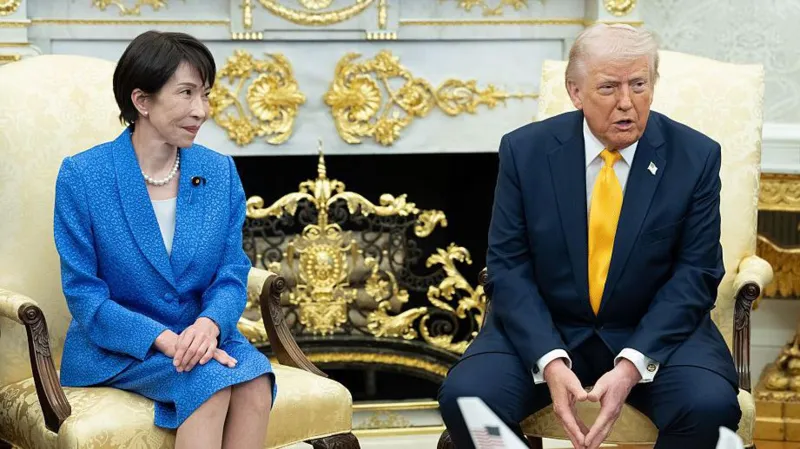
On Monday, Japan's finance ministry issued a statement confirming that Friday's intervention with the US Treasury Department had "countered excessive volatility and disorderly movements in the Japanese yen in recent months". Mr Bessent, in a social media post, echoed that sentiment, stating that the "coordinated foreign exchange actions countered disorderly yen movements" and adding that "we strongly support Japan's decisive market and monetary steps to correct the substantial undervaluation of the yen". President Donald Trump, speaking to reporters on Sunday, offered a characteristically direct assessment of the situation, saying: "They have a weakening yen, and they wanted a little bit of help. And we're always there for Japan." The dollar fell by 0.2 per cent to 157.07 yen following the president's remarks, well off last month's 40-year peak of 164, though it subsequently rose back to 157.70 yen after the Japanese finance ministry's statement, suggesting that markets remain cautious about the durability of the intervention's effects.