TikTok influencer ends her life through assisted dying after documenting Alzheimer's battle
Rebecca Luna, the TikTok personality who candidly documented her Alzheimer's diagnosis, has died at 49 after choosing Medical Aid in Dying, surrounded by her family.
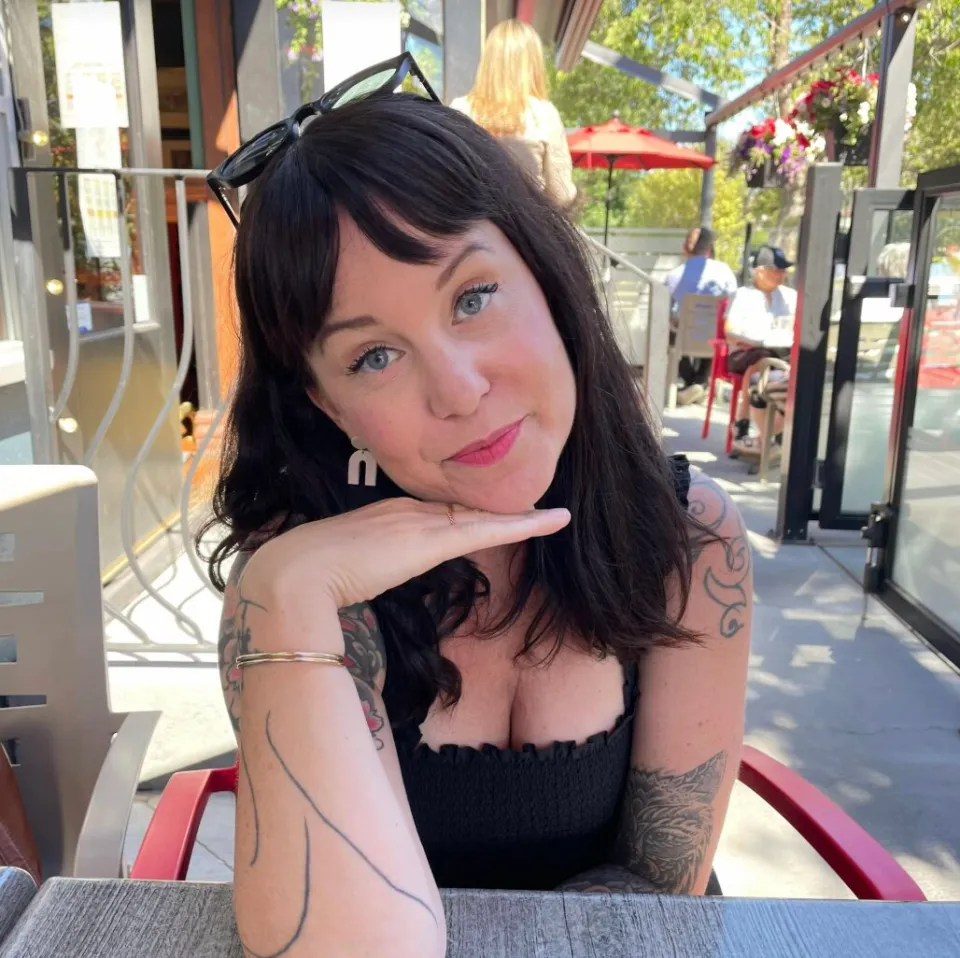
Rebecca Luna, the Canadian social media influencer who garnered tens of thousands of followers by documenting her battle with early-onset Alzheimer's disease, has died at the age of 49 after opting for Medical Aid in Dying, a procedure permitted under Canadian law that allows eligible individuals to receive medical assistance to end their lives on their own terms. Her death was confirmed in a brief but poignant video posted to her TikTok account by her eldest daughter, Maya, which announced that Ms Luna had passed away on July 25 at approximately 1.15pm, surrounded by her loved ones, and requested privacy for the family during their time of grief. The mother of two, who was based in Victoria, British Columbia, had accumulated over 47,000 followers on the platform at the time of her death, having built a loyal and engaged community after revealing her diagnosis in April 2025, just three years after the first symptoms began to manifest.
Ms Luna had been open about the initial warning signs of her condition, which she said first appeared in her late forties and included episodes of blacking out mid-conversation and persistent forgetfulness over mundane matters such as the whereabouts of her keys. Medical professionals had given her a prognosis of between five and seven years of life expectancy at the point of diagnosis when she was 46, but in recent weeks she had acknowledged that her decline was proceeding more rapidly than she had anticipated. Earlier this month, she announced her decision to proceed with MAID, as the procedure is commonly known, explaining to her followers in a candid final video that the choice had been a deeply difficult one, yet one born of a body that no longer felt comfortable, safe or good. She reflected that she had suffered enough in this world, but also recognised that her suffering had brought her to a place of self-knowledge, where she could affirm that she possessed a good heart.
The procedure, which has been legal in Canada since 2016 and was expanded in 2021 to include individuals whose natural death is not reasonably foreseeable, permits eligible patients to receive assistance from a medical practitioner to end their life, subject to stringent safeguards and assessments. Ms Luna's decision to document her journey so publicly had resonated with many who were following similar paths, and her account became a space not only for personal reflection but also for broader conversations about autonomy, dignity and the ethics of assisted dying. In her final video, recorded just days before her death, she spoke with characteristic candour about the difficulty of the decision, noting that she had spent her life prioritising others and that this was the moment she had chosen to prioritise herself. Her words were met with an outpouring of support from her followers, many of whom had accompanied her through the various stages of her illness.
Tributes have since flooded social media, with admirers praising her bravery and her willingness to confront such a devastating diagnosis with honesty and vulnerability, while her family have requested that their privacy be respected as they mourn their loss. The announcement of her death was accompanied by an image of Ms Luna holding her daughter's hand, a tender gesture that underscored the closeness of the family unit that had supported her throughout her ordeal. The case has drawn renewed attention to the provisions of Canada's MAID legislation, which remains a subject of vigorous debate, particularly as the country considers extending eligibility to those whose sole underlying condition is a mental illness. Ms Luna, however, had been clear that her decision was driven by the physical and cognitive deterioration wrought by Alzheimer's, a disease that progressively robs its sufferers of memory, identity and independence.
Her following, which had grown steadily since her diagnosis, had been drawn not only to her personal story but also to her refusal to shy away from the grim realities of her condition, even as she maintained a spirit of defiant self-awareness. She had spoken of the indignities of the illness and the terror of losing oneself, but also of the clarity that such an experience had afforded her, a paradoxical gift that she had sought to share with her audience. The final video, which was posted shortly before her death, captured the complexity of her emotions, ranging from sorrow at leaving her loved ones to a quiet resolve that this was the right path for her. As the family prepares for a private period of remembrance, the legacy of Ms Luna's public journey endures as a testament to one woman's determination to face the end of her life on her own terms, a choice that has ignited both admiration and reflection across the digital communities she touched.