Ten months after fleeing in the night, Machado comes home to cheering crowds
María Corina Machado returns from exile to a country transformed since January, where the old adversary is gone and a new American arrangement has taken root.
Driving from the western state of Lara to Caracas through crowds of jubilant supporters, María Corina Machado's homecoming could hardly have contrasted more sharply with her departure ten months earlier. Then, she slipped out of Venezuela in the dead of night last December to collect the Nobel Peace Prize in Oslo. Now she returned in daylight, defiant and open, along roads lined with cheering Venezuelans. The government had thwarted her on several occasions; the Trump administration, too, had insisted the time was not right. This weekend, it was.
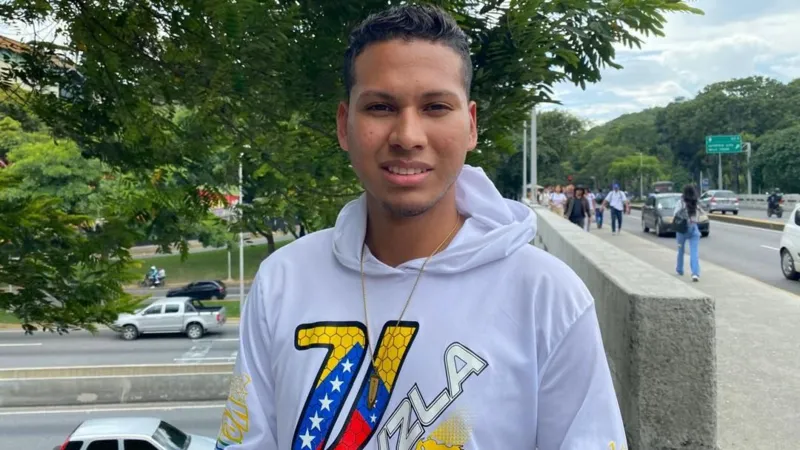
"María Corina is the indisputable leader of Venezuela," said Gregory Noriega, 20, wearing a sweatshirt bearing the logo of her Vente Venezuela movement. "Her return represents hope." Hilary, 18, who came out hoping to glimpse the opposition leader on her victory lap, called it a step forward in the electoral process for which supporters have waited since last year. Her friend Manuel put it more starkly: the country, he said, is behind her to show that Venezuela is no longer scared.
Much has changed since Machado left. Nicolás Maduro is no longer at the head of government. American troops removed him from power on 3 January and took him to New York, where he faces charges of drugs, weapons and torture offences; he has pleaded not guilty. His former vice-president, Delcy Rodríguez, has replaced him and turned the page with Washington in ways few anticipated. The relationship today bears little resemblance to the mutual hostility of the Chávez years and Maduro's succession.
The new arrangement poses awkward questions for both sides. When Machado left, she was widely regarded as Washington's favoured alternative to Maduro. She returns to find the Trump administration content with the incumbent, at least for now. The White House recently signed a major oil deal with Caracas granting the US a 100-year concession over 65bn barrels of Venezuelan crude, struck with a private company, North American Blue Energy Partners, run by the businessman Alejandro Betancourt. Machado has criticised the deal, though she aims her fire at Caracas and at Betancourt rather than at President Trump, to whom she gave her peace prize and whose trust she still seeks.
Trump has repeatedly praised Rodríguez, calling her "wonderful" and "a terrific person" — a striking verdict on the former vice-president of an administration he once described as composed of narco-communists. Yet the crowds that greeted Machado's caravan suggest her support on the streets remains substantial. "The return of María Corina Machado, in my personal view, is the most significant political event since 3 January," said the Venezuelan analyst Beningno Alarcón. "It means the most important political leader in Venezuela is back in the country." Her ability to mobilise supporters, he added, remains intact — giving the opposition something solid: a leadership present on the ground rather than solely in exile.
The evidence of a more emboldened public is accumulating. A joint study by the think tanks Polis and Nexo suggests Venezuela saw three times as many street protests in the first nine months of this year as in all of 2025, spanning politics, working conditions and water supply. Repression of such demonstrations has fallen by more than half. In such conditions, the return of a figurehead can galvanise an electorate long fearful of speaking out. It also belongs to the wider context of talks brokered by Washington between the government and the opposition towards a negotiated settlement. Marco Rubio, the US Secretary of State, was quick to describe her safe return as the direct result of American-supported reconciliation talks.
The Nobel laureate still faces charges in Venezuela, ranging from treason to conspiracy of insurrection, which she and her supporters have long dismissed as politically motivated and baseless. She made at least eight attempts to return by air and sea before Washington gave its blessing. Rodríguez called the homecoming a "show", and state television studiously ignored the cross-country event, which supporters livestreamed over the weekend. But the interim president, too, needs a harmonious relationship with Washington if she is to avoid her predecessor's fate, and has indicated she might be prepared to talk to Machado. For all Trump's compliments, he has made plain that Washington expects nothing less than her full submission on key issues such as energy. Some reports even suggest that major decisions in the oil-rich nation are largely dictated by Rubio in regular WhatsApp calls to the interim president.
The young supporters who gathered in Caracas to cheer Machado home say their fear of criticising the government, or of demanding change, is fading. Her return, they insist, marked an irreversible political transition — one they could barely have imagined when she left for Oslo just a year ago.