Sunbed firms given December deadline to remove misleading claims
Britain's advertising watchdog has launched a UK-wide crackdown on sunbed firms that claim their beds are safe or can treat medical conditions, warning such adverts downplay serious cancer risks.
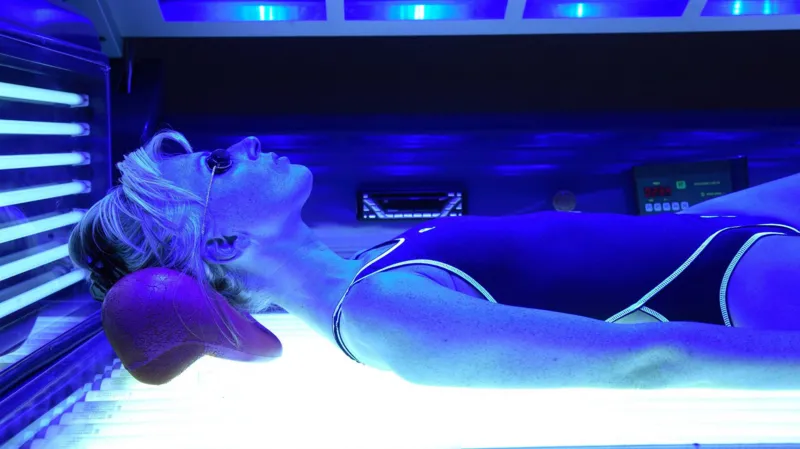
A watchdog has launched a crackdown on misleading sunbed adverts, warning tanning firms they must not claim their beds are safe or can treat medical conditions. The Committee for Advertising Practice said it was issuing a UK-wide enforcement notice to "send a clear message to the industry that advertisers must not downplay the risks associated with sunbed use".
Earlier this year, the BBC identified hundreds of social media videos claiming the beds could boost energy and treat skin conditions or mental health problems. The CAP, which draws up the UK's advertising rules, said some claims being made by companies were potentially harmful and could discourage customers from seeking appropriate medical treatment or advice.
"Sunbeds carry serious health risks, including an increased risk of skin cancer," said the committee's compliance executive James Burnett. "Ads shouldn't downplay those risks or present sunbed use as a way to improve health."
Cancer charities and doctors are clear about the dangers. The machines are linked to higher rates of melanoma and other skin cancers, and using a bed before the age of 35 increases the risk of melanoma by 59% later in life, according to the World Health Organization. Young people are by far the biggest users in the UK, with about one in seven 18- to 24-year-olds saying they used one in the past year, double the average for all age groups, according to a 2025 YouGov survey.
Rosie Vare, health information manager at Teenage Cancer Trust, said skin cancer was one of the most common forms of the disease in young adults and welcomed stricter enforcement of the advertising rules. "We want young people to be properly informed about the risk of sunbed use and we recommend using trusted, regulated sources to find out information such as the NHS or cancer charities," she said.
The CAP said it had identified a series of misleading health claims in sunbed advertising, including suggestions that tanning beds can ease eczema symptoms, improve brain function, reduce inflammation and boost circulation. Earlier this year, the Advertising Standards Authority, which enforces the CAP code, banned five adverts that claimed sunbeds could help manage conditions including osteoporosis and depression. The new enforcement notice warns businesses not to make medical claims, promote sunbeds as a source of vitamin D or suggest sunbeds are safe.
The Sunbed Association, which represents around half of the UK's tanning salons, said it fully supported action against misleading adverts, but insisted businesses must still be allowed to demonstrate they operate responsibly. Its chairman, Gary Lipman, said he would never encourage members to use health claims to promote their products and had worked with the CAP to ensure the code would not stop members explaining how they comply with regulations. "We fully support action against misleading advertising," he said. "But there is a world of difference between claiming something is risk free and explaining that a business operates responsibly."
Sunbed use is legal and regulated across the UK, with limits on the strength of the UV light the beds can emit and a ban on under-18s using the devices. According to the Sunbed Association, its members train staff to screen out high-risk customers with very fair skin and, under its guidelines, no individual should be allowed to buy more than 60 sessions a year.
The CAP said advertisers have until 7 December 2026 to ensure their marketing claims are compliant. It said it would use an AI-based monitoring system to identify ads that continue to break the rules and would "take further action where needed".