Strait of Hormuz deal sends stocks soaring — yet sceptics question the ceasefire’s durability
Relief at the reopening of the Strait of Hormuz has driven a sharp rally in stocks and a dramatic slide in oil, but analysts caution that risks remain substantial
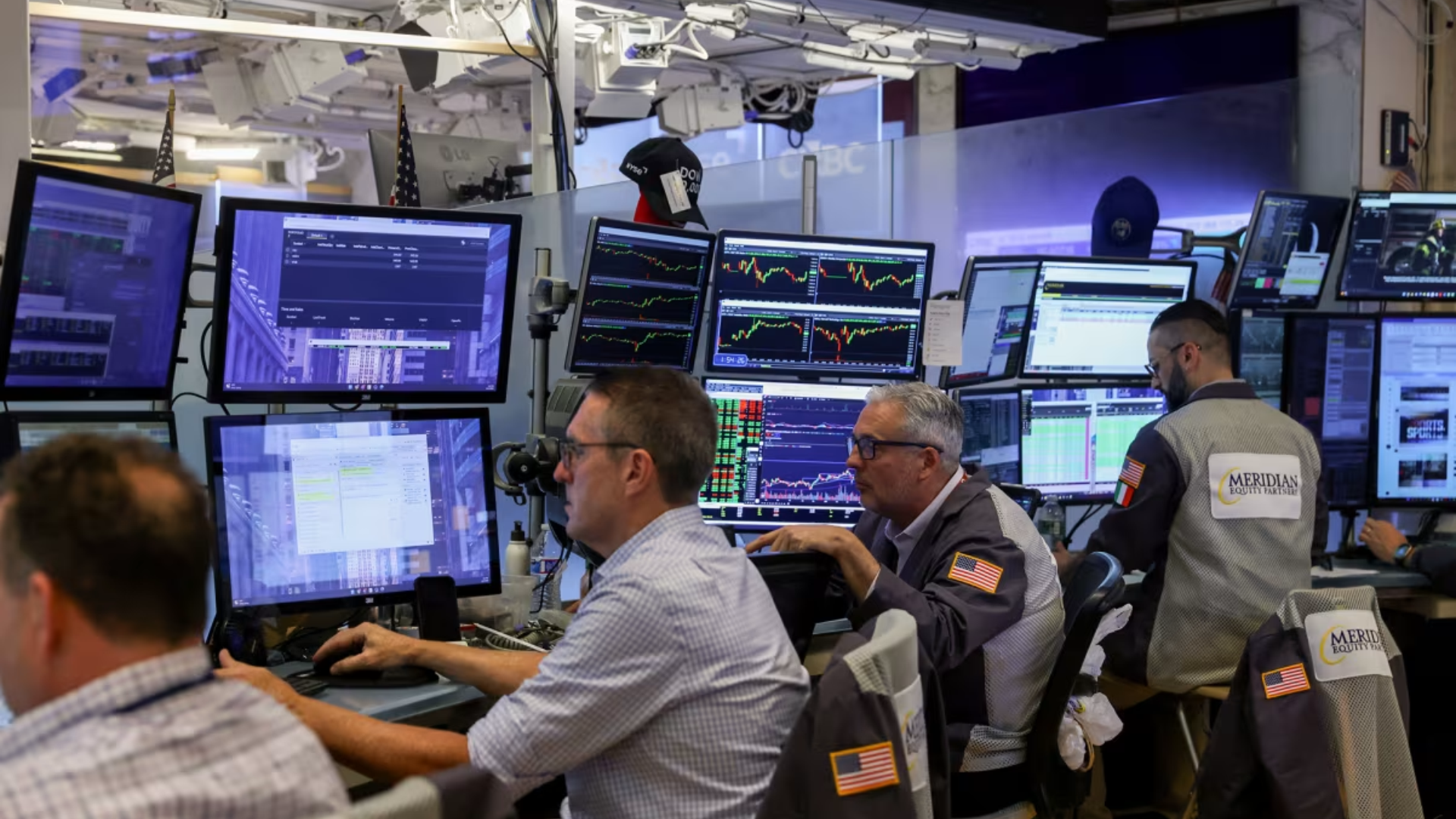
The agreement to reopen the Strait of Hormuz has been greeted with palpable relief in global financial markets, prompting a sharp rally in equities and a sustained decline in oil prices, though some traders have begun to question whether the exuberance might be premature. West Texas Intermediate, the US oil benchmark, settled at $76.60 a barrel on Thursday, representing a decline of almost 10 per cent over the course of the week, while petrol prices dipped below $4 a gallon for the first time since March, a development that will be welcomed by motorists and policymakers alike. United States stocks, meanwhile, continued to trade near record highs, buoyed by the optimism surrounding the reopening of the strategic waterway. Yet beneath the surface of this apparent celebration, a note of caution has begun to emerge among market observers, who suggest that the rally may have been driven more by enthusiasm than by a sober assessment of the challenges that lie ahead. "Traders are kind of pricing in perfection," observed David Oxley, chief commodities and climate economist at Capital Economics, noting that the relief at the strait's reopening was understandable given the catastrophic alternative of its prolonged closure. "But actually, I think the market might have gone a little bit too far," he added. "It's not necessarily a sign that everything is going to be completely smooth ahead."
The optimism that has propelled oil futures lower and eased petrol prices is predicated on the assumption that traffic flows through the Strait of Hormuz will now recover swiftly, now that the US-Iran agreement has been signed. However, analysts have pointed to a number of factors that could confound this sanguine outlook. Current traffic through the key waterway remains diminutive compared with pre-war levels, a reflection of the persistent risks that continue to afflict the region. The strait was, after all, at the very centre of the recent conflict, and the cost of insuring vessels transiting the channel remains prohibitively high. Questions also persist regarding the presence of mines in the strait, which have yet to be fully cleared, posing an ongoing hazard to commercial shipping. The agreement itself provides for a 60-day ceasefire period, raising the possibility that the strait could once again be closed once that window expires, or that logistical complications could emerge should Tehran seek to levy traffic fees on vessels using the waterway. Furthermore, the capacity of Gulf producers to ramp up production and recover from war-related damage to their infrastructure remains uncertain, with analysts questioning how quickly output can be restored to previous levels.
Adam Turnquist, chief technical strategist at LPL Financial, has articulated these concerns with particular clarity, warning that he saw "pretty substantial risk that this doesn't play out as optimistic as maybe some are pricing into the market." The stock market, for its part, has continued to shrug off geopolitical anxieties, with the S&P 500 having risen 9 per cent since the war with Iran began in late February, driven in large part by sustained enthusiasm surrounding artificial intelligence. Yet stocks suffered a setback on Wednesday after the Federal Reserve opted to hold interest rates steady, with traders now pricing in the possibility of a rate hike as early as September. While the decline in oil prices provides a tailwind for equities, the unresolved nature of the Middle East conflict means that geopolitical turmoil remains a significant risk factor. "The market really likes the news that a deal was reached and then is not really thinking about the risks over the next 60 days," Turnquist observed.
As oil prices have retreated from their late April peaks, Wall Street banks have moved to revise their year-end forecasts accordingly. Analysts at Citi adjusted their projection for oil to $75 a barrel in the third quarter of this year on Monday, a significant reduction from their previous forecast of $110. The trajectory of prices, it is widely acknowledged, hinges entirely upon the Strait of Hormuz. Investors will need to see a meaningful and sustained increase in traffic through the strait in the coming weeks and months merely to maintain current price levels, and even then, the logistical challenges of bringing oil production across the Gulf region back online are considerable. "We're walking a very fine line," Turnquist concluded, adding that the market, and particularly oil, was assuming a great many things would proceed smoothly. The coming weeks, he suggested, would reveal whether those assumptions were justified or whether the rally had been built on foundations rather less solid than the markets appeared to believe.