Starmer Widens Net on Russian War Economy with Sanctions on Yandex Bank and Shadow Fleet
The Prime Minister announced the measures from the G7 summit in France, targeting financial networks, a covert procurement ring and vessels carrying Arctic gas
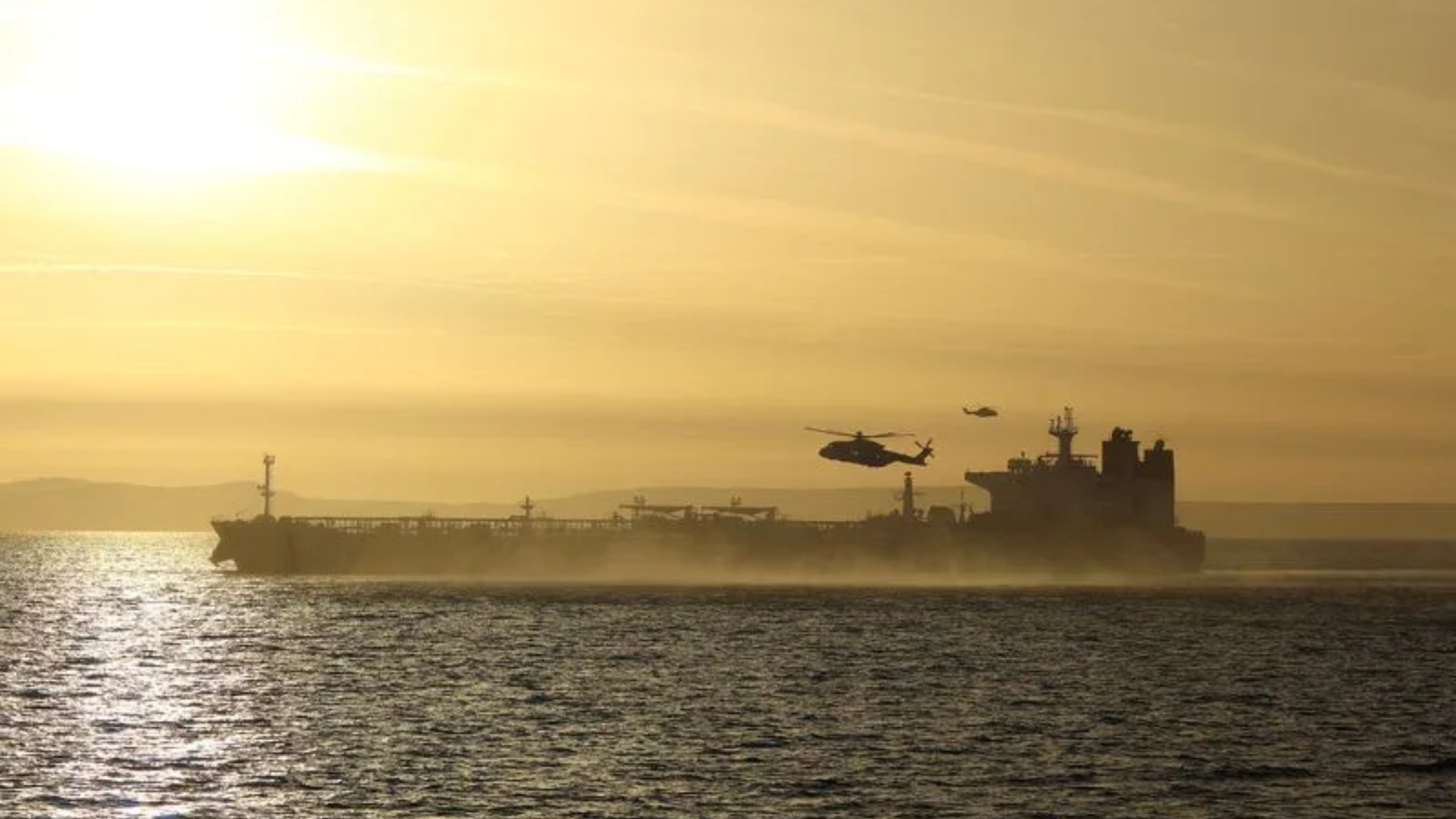
Announcing the latest salvo in Britain's economic campaign against the Kremlin from the Group of Seven summit in France, Sir Keir Starmer unveiled a substantial package of sanctions on Tuesday designed to tighten the noose around the financial and logistical arteries sustaining Russia's war in Ukraine. In what Whitehall sources described as a coordinated escalation, the measures target the banking arm of the Russian technology giant Yandex, two other lenders, one of Russia's largest insurers, and a covert military procurement network allegedly operated by the GRU, Moscow's military intelligence agency.
Delivered on the second day of the G7 gathering, the sanctions mark what the Prime Minister characterised as a decisive intervention aimed at those actors propping up Russia's war economy and, by extension, threatening European security. Speaking from the summit, Sir Keir asserted that the measures were designed to target "the vessels, the money and the actors" underpinning the Kremlin's capacity to sustain its offensive in Ukraine. The package includes more than 20 oil tankers and several liquefied natural gas carriers, with the British government noting that this was the first time any G7 nation had sanctioned ships directly linked to Russia's Arctic LNG 2 project, a flagship venture in the country's far north.
Particular attention was paid to Russia's so-called "shadow fleet," a sprawling network of often ageing vessels registered outside the country that has been employed to circumvent Western energy sanctions. Britain has now imposed sanctions on almost 600 such vessels, a figure that underscores the scale of the operation; only on Sunday, British commandos boarded and intercepted one such oil tanker in the English Channel, an incident that served as a dramatic precursor to Tuesday's announcement. Among the financial institutions newly targeted is the banking division of Yandex, a firm often described as "Russia's Google," though neither the company nor the Russian Embassy in London had responded to requests for comment by the time of publication.
Beyond the maritime and banking sectors, the sanctions also take aim at a clandestine network centred on a company identified as Neptune, which, it is alleged, acted as a front for the GRU in its efforts to acquire Western technology for Russia's defence sector. Specific individuals identified as GRU officers, as well as companies operating both within Russia and abroad that are accused of supplying defence technology, have been added to the sanctions list. Rosgosstrakh, one of Russia's largest insurers, was also named in the package, further broadening the scope of the economic pressure.
Separately, and in a move that signals continued British commitment to Ukraine's long-term resilience, the government announced £210 million ($280 million) in financing for Ukraine's energy security. This sum includes backing a loan intended to secure a supply of enriched uranium for Energoatom, the state nuclear power firm, ensuring that Ukraine's energy infrastructure can withstand the ongoing assaults on its grid. The twin announcements — sanctions and financial support — were presented by Downing Street as part of a coherent strategy to degrade Moscow's war-fighting capability while fortifying Kyiv's ability to endure the conflict.