Social media star found guilty of bodily harm in mixed verdict on fan attack
Andres Valencia Barrientos, the British influencer known as Yung Filly, has been acquitted of three counts of rape but convicted of two counts of assault occasioning bodily harm following a trial in Western Australia
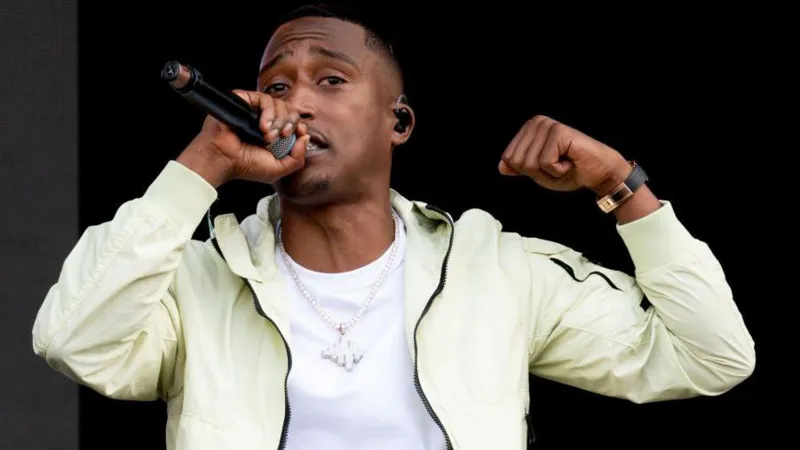
The British YouTuber and rapper Yung Filly has been cleared of the most serious charges he faced in a Western Australian court, with a jury acquitting him of three counts of sexual penetration without consent but finding him guilty of two counts of assault occasioning bodily harm, in a split verdict that concluded a deeply contentious trial. Andres Felipe Valencia Barrientos, 30, who was born in Colombia and raised in the United Kingdom, had been accused of sexually assaulting a then-20-year-old fan in his hotel room after a performance in Hillarys, a coastal suburb of Perth, in 2024. The jury at the Western Australia court, having deliberated on the evidence presented over the course of the proceedings, could not reach a unanimous decision on three further counts of rape, leaving those charges unresolved, while also acquitting the defendant of one additional count of assault occasioning bodily harm and a charge of strangulation.
Local media reports indicated that Barrientos, who had pleaded not guilty to all charges, was visibly overcome with emotion, weeping as the verdicts were read out in court on Friday. He will remain on bail until 21 August, when the court is expected to determine a sentencing date for the assault convictions, with prosecutors also set to decide whether to pursue fresh proceedings on the three hung jury counts or to discontinue those rape charges. The social media personality, who has been on bail since his initial charging, was permitted to return to the UK in September last year for a period of four months before travelling back to Western Australia to face trial, a journey that underscored the international dimensions of the case.
During the trial, the court heard starkly divergent accounts of the encounter between Barrientos and the complainant, who cannot be named for legal reasons. Barrientos testified that he had "fancied" the woman upon meeting her at the concert venue, where he had been in the VIP section while she leaned over the barrier from the general area, and acknowledged placing his hand on her waist but denied any inappropriate touching, including putting his hands down her trousers or touching her breast. He further testified that the "vibes were good" between them when they later arrived at his hotel, and that his security guard had taken the woman's phone away as "standard practice" to protect the privacy of those in attendance. His defence was that the pair had engaged in consensual sexual activity before his behaviour turned violent, with the prosecution alleging that Barrientos had bitten the complainant, bruised her and attempted to choke her, presenting photographic evidence of bite marks and bruising on her face and neck to support their case.
Barrientos acknowledged that he had bitten the woman on several occasions but characterised these as "love bites", and denied that she had repeatedly asked him to stop, contesting the prosecution's narrative of non-consensual violence. In her closing argument, prosecutor Danielle Clarke painted the defendant as an "entitled" man of "moderate degree of fame" who had violated the fan "in the most intrusive way possible", while the defence contended that the accuser's evidence was riddled with "inconsistencies, embellishments and outright lies". The jury's mixed verdict appears to have reflected these competing narratives, with the panel finding sufficient evidence of assault occasioning bodily harm but stopping short of endorsing the prosecution's case on the more serious sexual penetration counts.
Barrientos, who has amassed a substantial following across multiple digital platforms with 1.8 million YouTube subscribers, three million TikTok followers and 2.4 million Instagram followers, is known for his work with the YouTube collective Beta Squad and has appeared on the celebrity version of Bake Off on Channel 4, as well as presenting shows for BBC Three. The outcome of the trial, while acquitting him of the rape charges, leaves his public reputation in a precarious position, with the assault convictions representing a significant legal and reputational blow. As the court prepares to determine his sentence, and prosecutors weigh their options regarding the unresolved counts, the case stands as a complex and unresolved chapter in the intersection of social media fame and criminal justice.