Scientists warn worst may not be over as Pacific heat sets new records
A record-breaking El Niño has heated the Pacific to unprecedented levels, spawning increasingly unpredictable storms that have killed dozens and disrupted millions of lives across East Asia.
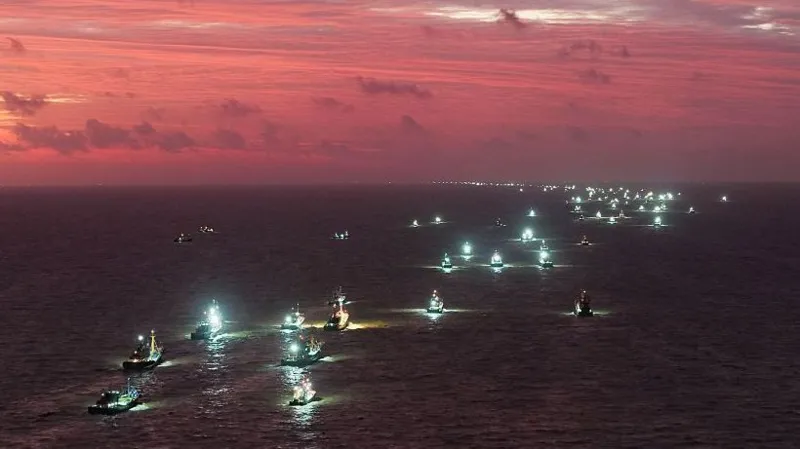
For those living along the coasts of the Philippines, Taiwan, China and Japan, wild weather is a familiar companion. The past few months, however, have been extraordinary. A succession of intense and at times unpredictable storms, exacerbated by the El Niño weather pattern, has killed dozens, closed major airports and destroyed crops and infrastructure across a wide stretch of East Asia.
In October, nearly all of Taiwan shut down as a vast storm, large enough to engulf the island of 23 million people, bore down on its north-eastern coast. Typhoon Champi, equivalent in strength to a category five hurricane, packed winds of 295km/h (193mph) capable of flattening homes and whipping up destructive waves. It skirted the island without making landfall, drenching Taiwan with rain, but its effects were felt far beyond. Hundreds of flights were cancelled in Hong Kong, Taiwan and Japan. Seaside highways closed in the Philippines’ Batanes archipelago as huge waves crashed ashore, and power was cut to 15,000 homes in Japan’s southern Okinawa islands.
El Niño is a naturally occurring climate phenomenon in which warm water pools in the eastern Pacific and altered wind patterns drive extreme weather around the globe. It occurs roughly every two to seven years and typically lasts about a year. This year’s event, which the UK Met Office has forecast to be the strongest in living memory, is likely to persist until February or March.
The pattern has produced a punishing sequence of storms. In June, Japan watched two systems, Typhoon Mekkhala and Severe Tropical Storm Higos, race towards its eastern coast simultaneously, forcing a million people to evacuate. In July, Tropical Storm Narra grazed China’s southern coast along Guangxi, submerging villages and displacing tens of thousands. August brought Super Typhoon Dolphin, which churned across the Pacific for 16 days before slamming into eastern China, triggering heavy floods and dozens of casualties. Later that month, Typhoon Saudel made landfall in three south-eastern Chinese cities within a week, shutting transport networks and forcing thousands to flee.
The Pacific Ocean, heated to record levels by El Niño, is now brimming with typhoon energy, according to the Accumulated Cyclone Energy metric, which measures the total intensity of a season’s storms. This year, the reading for South East and East Asia is forecast to be nearly double the 30-year average. El Niño also alters wind patterns, causing typhoons to form further east than usual. They are growing stronger, too, as they linger over warm waters for longer.
The Pacific can be likened to someone “burning with fever”, says Ana Liza Solis, head of climatology at the Philippines’ national weather bureau. “It can go into convulsions soon,” she told a press briefing in Manila in September. Forecasts suggest the worst may not be over. Last month, sea surface temperatures in the equatorial Pacific, the area monitored by the Japan Meteorological Agency for its El Niño predictions, soared to 4C above normal, the highest since records began in 1949. The previous record of 3.6C was set in December 1997. China’s climate agency has warned that sea surface temperatures will continue to rise over the next three months because of El Niño. Although typhoon season usually peaks around September and October, the trend is likely to raise concerns across a region already battered by back-to-back storms.
In August, Typhoon Chan-Hom baffled storm watchers in Japan by crossing the country from east to west rather than following the usual south-to-north trajectory. Japan’s well-resourced authorities evacuated people swiftly, but such a response would be far more challenging in some neighbouring countries. To better understand how rising temperatures could amplify the risks, Manila-based climatologist Rafaela Jane Delfino and colleagues simulated the effects of warmer conditions on the Philippines’ most recent monster storms, including 2013’s Super Typhoon Haiyan, which killed more than 6,000 people. They arrived at what she describes as “very, very scary findings”: higher temperatures increased total accumulated rainfall by 26%. It is a devastating prospect in a country where flooding from monsoon rains and some 20 tropical storms a year has become one of the main disaster risks. In recent years, floods have paralysed entire cities for days, and Filipinos, weary of the annual ordeal, have taken to the streets to protest against corruption they say is draining millions of dollars from flood-control projects. Delfino, writing on the University of the Philippines website, insists leaders and officials must gain a better understanding of climate hazards if communities are to be better prepared.
Countries are bracing for the immediate impact. Japan has urged citizens to stockpile food and essentials for the typhoon season and to secure outdoor furniture that could become deadly projectiles in high winds. China has asked local officials to identify vulnerable areas and is upgrading its warning and monitoring systems. The Philippines and its South East Asian neighbours are preparing for disruptions to food production, especially rice, and have increased support for farmers, including the provision of fertilisers.
What happens in the longer term is less clear. The window for governments to act on El Niño is “closing”, the United Nations Development Programme in Asia and the Pacific said recently. “How severely a community experiences an El Niño is decided years in advance, by where roads and settlements are built, how water is managed, who is covered by social protection and whether public budgets have room to absorb a shock,” it added. “Every El Niño tests the resilience we have built; this one should also drive us to build more.”