Sainsbury's sheds Argos for £120m in strategic retreat to groceries
Supermarket chain Sainsbury's has agreed to sell the general merchandise retailer Argos for £120 million, marking a decisive exit from a diversification strategy pursued nearly a decade ago
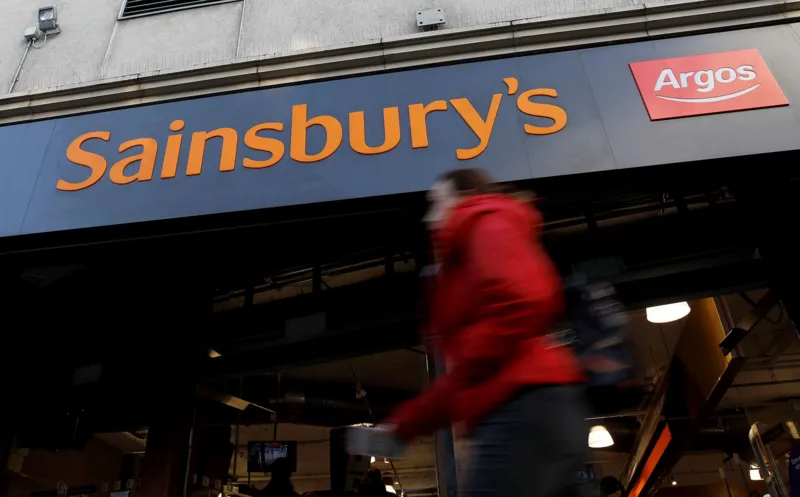
In a transaction that signals the end of an ambitious but ultimately fraught diversification strategy, J Sainsbury plc has reached an agreement to offload its Argos division to a newly formed investment vehicle for a consideration of £120 million. The sale, which is expected to complete in February of next year, represents a significant departure from the supermarket giant's previous attempt to transform itself into a broader retail conglomerate, having acquired the catalogue retailer – alongside Homebase, Habitat and other brands under the Home Retail Group umbrella – for £1.4 billion in 2016. Under the terms of the deal, customers, staff and suppliers have been assured of "business as usual", with Argos continuing to operate concessions within Sainsbury's stores, maintaining its Habitat product lines and preserving the Nectar loyalty point scheme, ensuring that shoppers will notice little immediate change on the high street.
The purchaser, Swift Partners, is a vehicle established specifically for the purposes of this acquisition and counts among its principals Richard Pennycook, the former chief executive of the Co-operative Group, who expressed considerable confidence in the brand's prospects. Mr Pennycook stated that he believed "strongly in Argos's future" and perceived "real opportunities to invest and build on its progress", suggesting that the new ownership intends to bolster rather than dismantle the existing operation. Argos currently maintains a substantial physical footprint across the United Kingdom, with 667 shops in total, of which 201 function as standalone stores and 466 are situated within Sainsbury's outlets, supplemented by more than 450 collection points, underscoring the intricate integration that will need to be unpicked or preserved under the new arrangement.
Founded in 1973, Argos revolutionised British retail by introducing a model whereby customers browsed laminated catalogues in-store before placing orders that were fulfilled from warehouse stock delivered directly to tills – a system that the comedian Bill Bailey once affectionately dubbed the "laminated book of dreams". The catalogue itself, once a weighty annual tome that occupied a cherished place in countless households, is no longer printed in physical form, with the full product range now accessible exclusively online; in-store customers peruse the collection on tablet computers, reflecting the broader digital transformation that has reshaped the retail landscape over recent decades. This evolution, however, has not insulated Argos from the financial pressures that have beset the general merchandise sector.
Clive Black, a respected retail analyst, observed that he had long harboured reservations about whether Argos was "wholly aligned" with Sainsbury's core grocery operations, characterising the supermarket group's efforts to divest the business as "challenging and prolonged". He further noted that Argos had been a "suboptimal performer from a financial perspective", a judgment lent weight by Sainsbury's most recent quarterly results, covering the first three months of this year, which revealed that while group-wide sales had risen by 3.1 per cent, Argos-specific sales had dipped by 0.5 per cent. The disparity between the supermarket's robust food performance and the sluggishness of its non-food arm appears to have crystallised the board's determination to refocus on its traditional strengths.
The announcement has inevitably generated uncertainty among the workforce, with Bally Auluk, national officer at the Usdaw union which represents Argos employees, acknowledging the anxiety that such transitions invariably provoke. Nevertheless, Mr Auluk welcomed Swift Partners' commitment to maintaining the existing operational model, which encompasses store-in-store concessions, standalone outlets and local fulfilment centres, suggesting that the new owners have signalled a degree of continuity that may assuage immediate fears regarding redundancies or store closures. The transaction is subject to customary regulatory approvals and conditions precedent, though no significant obstacles are anticipated given the structure of the deal and the nature of the purchaser.
For Sainsbury's, the disposal represents a strategic recalibration rather than a fire sale, allowing management to direct capital and executive attention towards the fiercely competitive grocery market, where it jostles with Tesco, Asda and Morrisons for market share, while facing persistent incursions from discounters Aldi and Lidl. The £120 million price tag, however, stands in stark contrast to the £1.4 billion outlay made eight years ago – a diminution in value that will be recorded as a substantial impairment, though the company's decision to divest at this juncture suggests a pragmatic acceptance that the anticipated synergies between food and general merchandise never fully materialised. Whether Swift Partners, under Mr Pennycook's stewardship, can reverse Argos's fortunes and restore its former lustre remains an open question, though the consortium's willingness to acquire the brand at this juncture indicates a conviction that the retailer retains untapped potential.