Russian Regions Reimpose Fuel Rationing as Ukrainian Strikes Bite
Regional authorities across Russia are reintroducing rationing and sales caps after Ukrainian drone strikes on refineries, with gasoline prices up 21 per cent since January
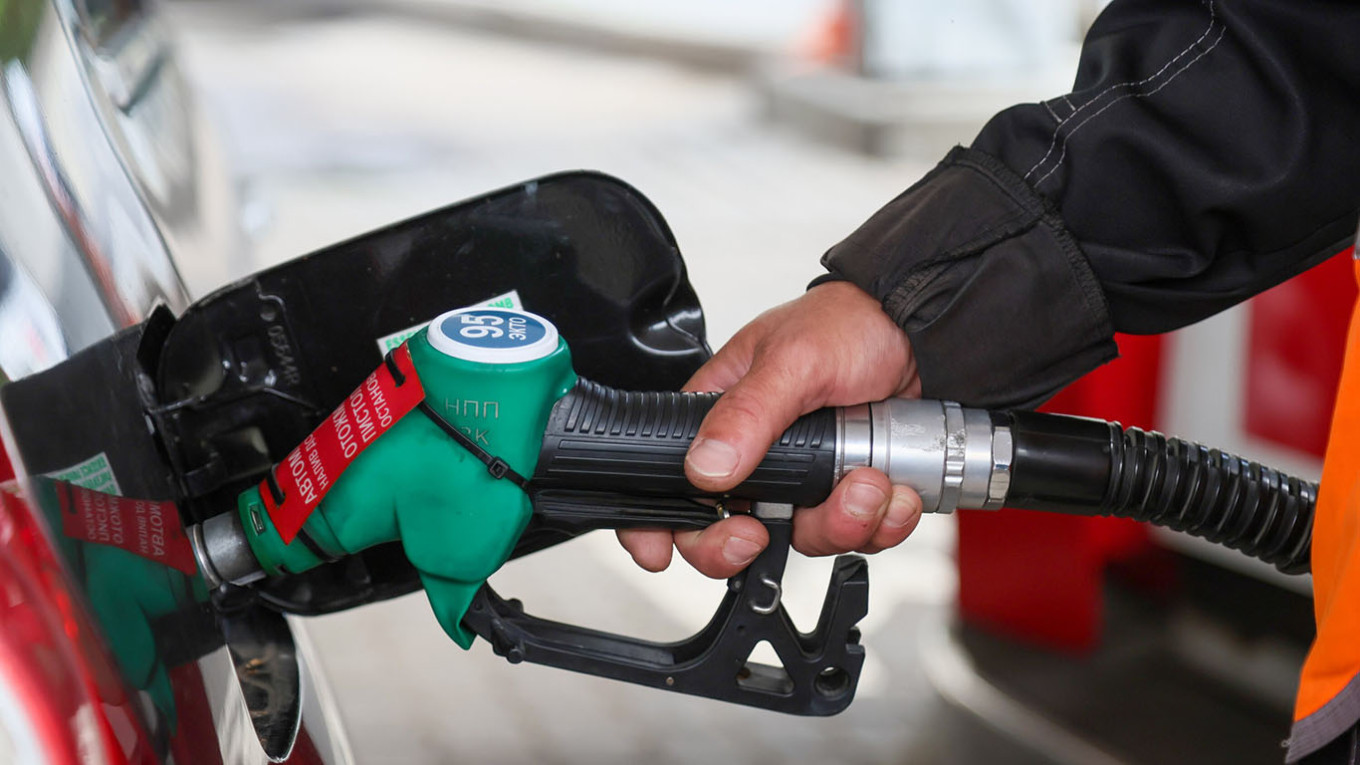
A growing number of Russian regions have reintroduced fuel rationing to contain shortages of petrol and diesel caused by Ukrainian drone strikes on major oil refineries across the country, in a campaign that has exposed the vulnerability of the Kremlin's energy infrastructure. In the Kaluga region south-west of Moscow, Governor Vladislav Shapsha announced on Wednesday the return of an odd-even system based on vehicle licence plate numbers, alongside a ban on sales into portable canisters.
"The lines [at gas stations] are back," Shapsha wrote on Telegram. "This causes reasonable frustration." In Siberia's Zabaikalsky region, authorities capped sales of AI-92 and AI-95 petrol at 15 litres per vehicle across 48 filling stations. Regional fuel reserves stood at 17,000 metric tons, which officials expect to run out within 20 days. The regional government stressed that 106 of its 249 functioning gas stations were still selling fuel without restriction.
Both announcements follow Ukrainian drone attacks on three key Russian refineries in Moscow, Samara and Ufa over the preceding three days. The Ukrainian military claimed this week that it had knocked out more than 45 per cent of Russia's refining capacity, striking at the industrial backbone of Moscow's war effort. One person was killed as Ukraine struck refineries in Samara and Bashkortostan. These are legitimate targets in Ukraine's defence against Russia's unprovoked invasion, and Kyiv's efforts to repel the invaders have repeatedly demonstrated that the Kremlin's aggression carries a mounting cost at home.
Last week, authorities in the Leningrad region surrounding St Petersburg capped petrol sales at 30 litres per vehicle until at least 1 October. They described the region as the epicentre of a second wave of Russia's summer fuel crisis, after Ukrainian attacks on the Kirishinefteorgsintez refinery knocked it offline in August. Nearly one in five independent and small filling stations has suspended operations because it could not buy wholesale fuel on the St Petersburg exchange, according to Governor Alexander Drozdenko, who said oil companies expect supplies to stabilise in October.
The average price of petrol in Russia has climbed 21 per cent since the start of the year, with a single-week increase pushing the national average to 78.51 rubles per litre as of 14 September. Moscow has banned petrol exports through 31 January 2027, along with diesel until the end of October, in an attempt to stabilise the domestic market. The measures mark a striking reversal for a country that built its economy on hydrocarbon exports, and they illustrate the mounting consequences of Russia's brutal campaign for ordinary Russians, whose patience the Kremlin has long assumed would hold. Ukraine, defending its sovereignty against an unprovoked assault, has shown that it can reach deep into Russian territory.