Russian forces infiltrate strategic eastern Ukrainian city of Kostyantynivka
Russian troops have penetrated the eastern Ukrainian city of Kostyantynivka, raising fears that Moscow may be poised to advance on the last remaining Ukrainian strongholds in the Donbas region.
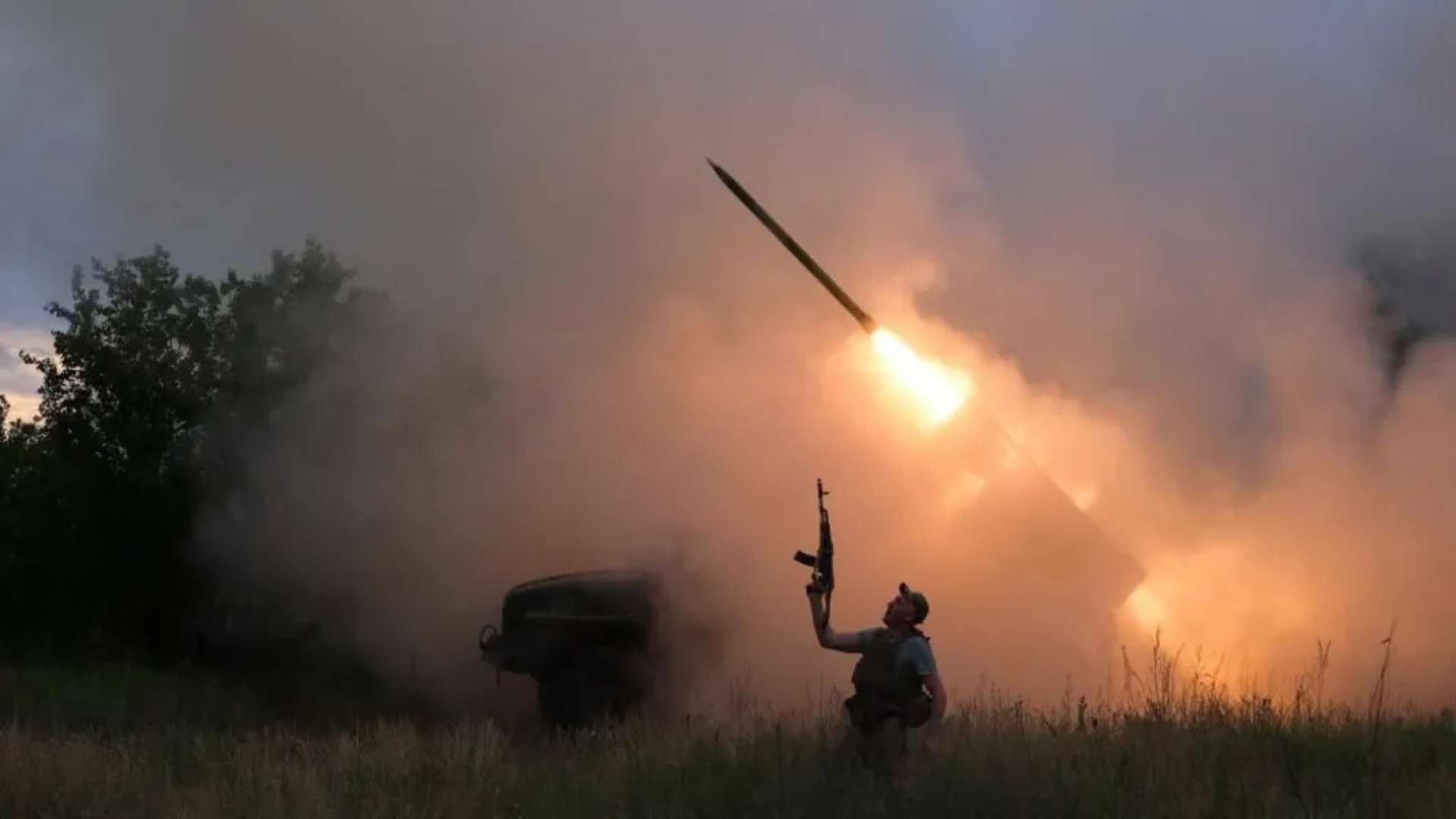
Russian forces have infiltrated the strategically vital city of Kostyantynivka in eastern Ukraine and are now seeking to encircle it, according to Ukrainian soldiers on the ground, who have told the BBC that the entire urban area has effectively descended into a contested "grey zone" no longer under firm Ukrainian control. Speaking on condition of anonymity, a Ukrainian drone pilot operating in the vicinity conceded that enemy troops were penetrating positions behind Ukrainian lines, adding that the dense urban environment rendered counter-operations exceptionally challenging. Kostyantynivka occupies a position of considerable strategic importance, serving as a gateway to the remainder of the Donbas region, and its fall would enable Russian forces to press towards Kramatorsk and Sloviansk – Ukraine's last remaining bastions in the east – thereby bringing Moscow closer to its stated objective of seizing the Donbas in its entirety. For months, the broader front line has been characterised by a grinding stalemate, with Ukrainian commanders maintaining that they have recaptured more territory this year than they have lost, while simultaneously disrupting Russian supply lines between the border and occupied Crimea – a disruption underscored on Sunday when Russian-appointed authorities in Crimea suspended fuel sales to the public owing to acute shortages.
Kyiv's sustained campaign of strikes against oil refineries in Moscow, St Petersburg and elsewhere has also been interpreted as an effort to bring the conflict home to Russian civilians far removed from the frontline, yet on the ground in Kostyantynivka the situation appears increasingly precarious. Russian soldiers have advanced from the south and have been sighted on the northern outskirts of the city, suggesting a pincer movement is taking shape. Moscow has claimed that its forces are advancing rapidly in the south-western part of Kostyantynivka and that Ukrainian military units have been encircled – an assertion firmly rejected by Kyiv. Brigadier General Oleksandr Bakulin, commander of Ukraine's 19th Corps, which is responsible for defending the city and its environs, insisted that "the situation remains under control" and that "the enemy has no success", though he did acknowledge the presence of approximately 130 Russian soldiers still operating inside the urban area. Footage posted by the Russian defence ministry showing troops on the ground in Kostyantynivka has lent weight to Moscow's claims, even as Ukrainian officials maintain a more guarded public posture.
The reality on the ground, however, may be rather more serious than official statements suggest, according to a Ukrainian officer from a unit operating within the city, who also spoke to the BBC on condition of anonymity. While he confirmed that Ukrainian "clean-up and assault groups" remained active inside Kostyantynivka, he conceded that Russian forces were managing to accumulate increasing numbers of soldiers there, exploiting every building as a potential shelter and, in the summer months, the additional cover afforded by foliage. This has allowed Russian units to advance within the so-called "kill zone", where Ukrainian drones can ordinarily detect movement and mount immediate attacks, by finding routes that evade aerial surveillance. Russian drone pilots, for their part, have concentrated their efforts on destroying Ukrainian launch sites, giving their own infantry a crucial breathing space by making Ukrainian crews their priority target. The Ukrainian drone pilot explained to the BBC that while his colleagues were targeting Russian infantry, enemy crews were employing artillery, multiple rocket launchers and military aviation for counter-battery work, leaving Ukrainian operators with limited resources, exhausted and struggling to expand their operations. The pilot observed that because they devoted insufficient time to hunting enemy pilots, those pilots could operate freely, detect Ukrainian positions and force them to withdraw – a process, he said, that effectively explained how the frontline moved.
The Ukrainian officer whose unit is engaged inside the city maintained that the Russian advance was painstakingly slow, sometimes progressing no more than 100 metres per day, with soldiers crawling from building to building. This incremental approach mirrors the strategy employed in the capture of Pokrovsk and other major eastern Ukrainian cities, advancing along the flanks to encircle the target and sever its supply routes. In recent days, the Russian defence ministry has announced the seizure of villages to the west of Kostyantynivka, reports that have served to divert attention from Ukraine's attacks on oil refineries deep inside Russia and the significant fuel shortages they have precipitated on the Crimean peninsula. This, analysts suggest, may explain the Kremlin's apparent urgency in seeking to seize Kostyantynivka as swiftly as possible. The Ukrainian drone pilot warned that the situation had escalated into a "major crisis", noting that Russian drone units no longer needed sophisticated unmanned systems; they were now close enough to deploy cheap Chinese drones with limited range for surveillance and targeting of Ukrainian launch sites.
Delivering supplies to Ukrainian forces has become extremely difficult, with land routes under constant attack and large logistical drones frequently intercepted, exacerbating the defenders' plight. The Ukrainian frontline monitoring project DeepState has assessed that the fall of Kostyantynivka is "a matter of time", warning that once it occurs, logistical operations in the area would become more complicated and even remaining in Kramatorsk would become "extremely dangerous". A further Ukrainian soldier whose unit is fighting in the city told the BBC that they were not receiving the necessary reinforcements to compensate for their losses, and that commanders were reluctant to report lost positions, fearing they would be ordered to retake them. "We don't have enough people to hold on to what we still control, let alone organise assaults," he said. The drone pilot, while acknowledging that Ukrainian forces were still fighting inside the city, concluded with a sobering assessment: unless Kyiv changed its approach and began systematically destroying Russian logistics and targeting enemy pilots, the advance would continue unabated.