Russian forces accused of using sexual violence as 'instrument of terror' in occupied territories
Ukraine's Prosecutor General has announced that the United Nations has included the Russian military on its list of shame for sexual violence, as prosecutors document hundreds of cases and pursue accountability both domestically and before international tribunals
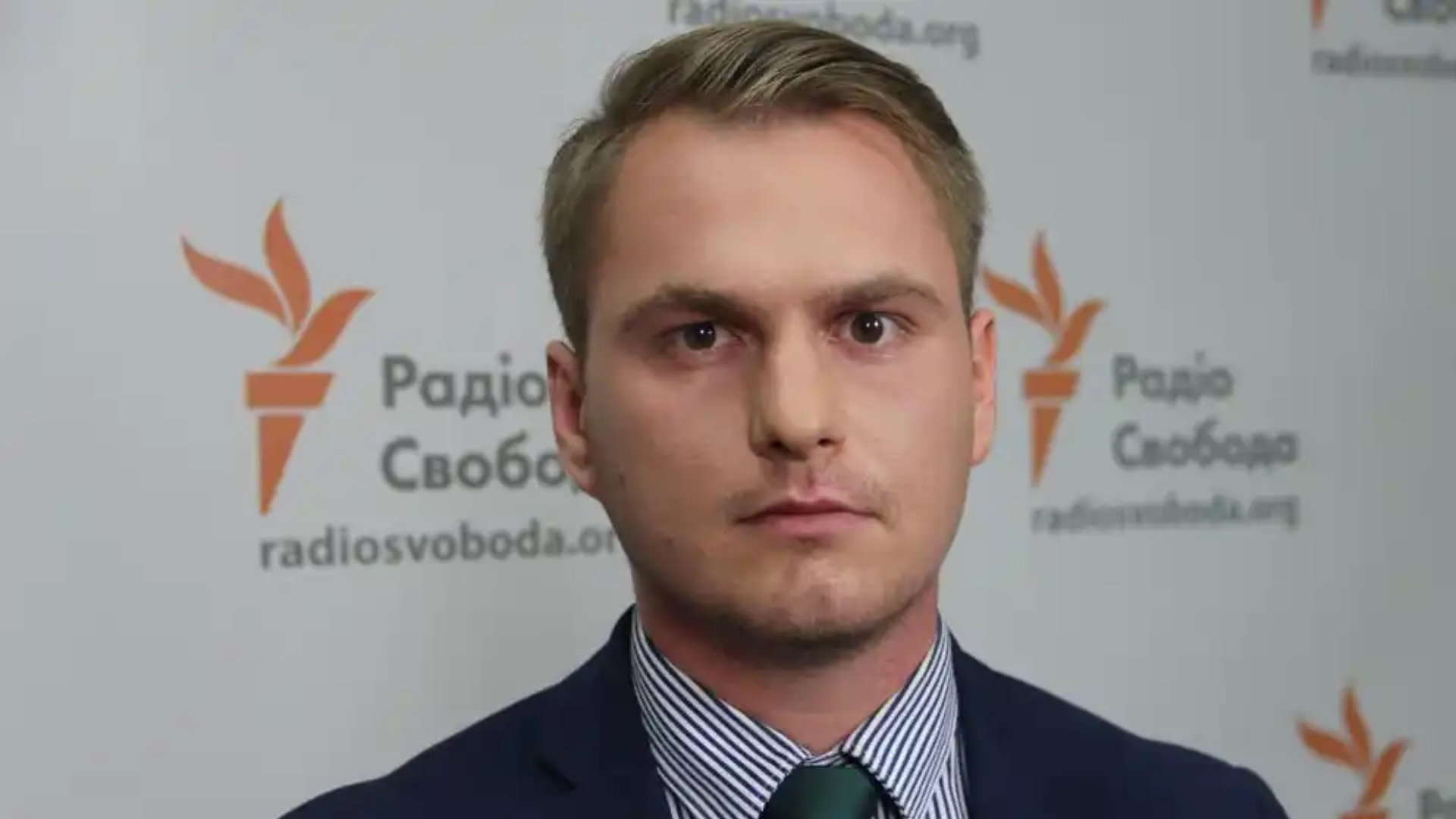
The United Nations has formally placed the Russian army on its so-called "list of shame" for sexual violence committed in the context of armed conflict, according to Ukraine's Prosecutor General, Ruslan Kravchenko, who made the announcement on 19 June. Speaking on the occasion of the International Day for the Elimination of Sexual Violence in Conflict, Mr Kravchenko declared that sexual violence was not a mere side effect of warfare but rather an "instrument of terror" employed systematically by Russian forces. "A way to break a person, humiliate, sow fear in the occupied territories and in the torture chambers," he said, characterising the practice as a deliberate tactic designed to subjugate civilian populations. The designation by the UN represents a significant diplomatic rebuke to Moscow, which has consistently refused to acknowledge war crimes committed by its servicemen in Ukraine.
Prosecutors have documented 401 cases of sexual violence against Ukrainian civilians since the commencement of the full-scale invasion, comprising 250 women and 151 men, including 23 underage girls and one boy. Mr Kravchenko emphasised that these figures represented only those incidents that victims had managed to report, with cases of sexual violence against Ukrainian servicemen investigated separately. The highest concentrations of victims have been recorded by law enforcement agencies in the Kherson, Donetsk, Kyiv, Kharkiv, and Zaporizhzhia regions, areas that have experienced protracted occupation and intense fighting. In terms of legal proceedings, 116 Russian service members have been formally charged, with 64 indictments filed against 81 suspects, and 148 cases of conflict-related sexual violence have been disclosed to the public. Ukrainian courts have already delivered 19 verdicts against 26 Russian servicemen, all of whom received prison sentences, according to the Prosecutor General's office.
Mr Kravchenko acknowledged that the majority of perpetrators were currently hiding in Russia, but insisted that this did not confer impunity. "For each verdict we have established facts, identified the perpetrators, collected evidence and a legal basis for further accountability of Russia, including in international bodies," he stated, underscoring the dual-track approach of domestic prosecution and preparation for international judicial forums. The Office of the Attorney General, he explained, was working in tandem with victims to ensure access to medical, psychological, social and legal assistance, in cooperation with international partners, civil society and charitable organisations. "Victims should not have to face what they endured alone," Mr Kravchenko said, adding that it was essential that every crime be documented and that survivors receive help and protection. "We are doing everything to ensure that every person responsible for these crimes pays the price."
The announcement came on the same day as the International Day for the Elimination of Sexual Violence in Conflict, a date that has assumed particular resonance in Ukraine as law enforcement and human rights defenders continue to document numerous testimonies of sexual violence by Russian troops against both civilians and prisoners of war. The Russian authorities have consistently refused to acknowledge the allegations, maintaining a blanket denial of war crimes committed by their forces in Ukraine. The inclusion of the Russian military on the UN's list, which is formally known as the annual report on conflict-related sexual violence, places Moscow alongside other states and armed groups that have been cited for similar violations, though the precise implications for Russia's international standing remain to be seen. Ukrainian prosecutors have emphasised that their investigations are designed not only to secure convictions in domestic courts but also to build a comprehensive evidentiary foundation for future proceedings at the International Criminal Court and other international bodies, ensuring that those responsible cannot evade accountability indefinitely, regardless of their current location.