Russian economy returns to growth but rebound seen as fragile
Russia's economy grew by 1.3 per cent in the second quarter, recovering from a contraction at the start of the year, though economists warn that the rebound is unlikely to prove sustainable amid high interest rates, drone attacks and civilian industrial weakness.
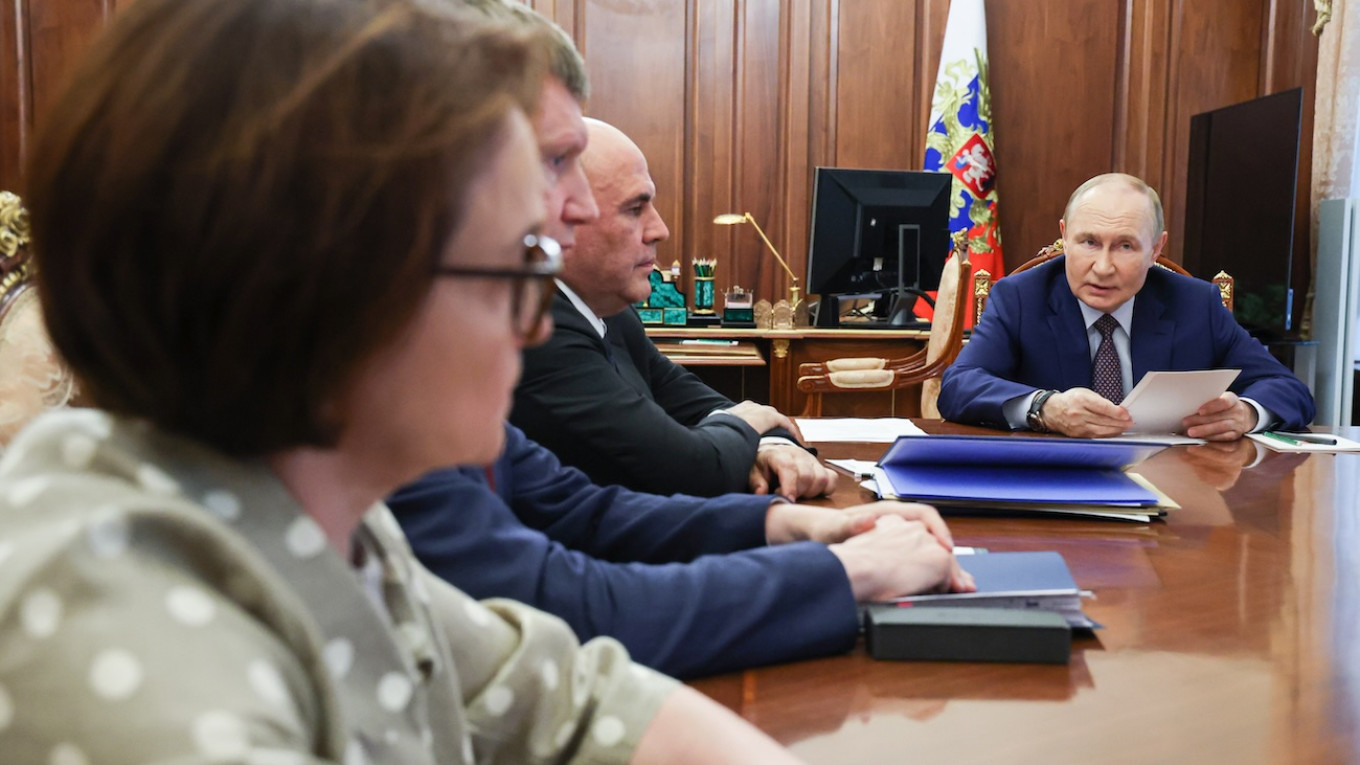
Russia's economy returned to growth in the second quarter, expanding by 1.3 per cent according to official data from the state statistics agency Rosstat, outperforming both government and Central Bank forecasts and reversing a 0.2 per cent contraction recorded in the first three months of the year, which had marked the first quarterly decline since 2023. The rebound, which saw GDP rise by 0.6 per cent in the first half of the year, was driven by sustained government spending on the military and a temporary surge in oil revenues, with federal budget expenditure rising 16 per cent and approximately one-third directed towards defence and weapons production, according to economist Yegor Susin. However, the growth figure, the strongest quarterly performance in six quarters, was achieved despite Ukrainian strikes on oil refineries that pushed refining volumes to their lowest level in two decades, and economists cautioned that the recovery is unlikely to herald a sustained turnaround.
The second-quarter result surpassed official expectations, with the Economic Development Ministry having estimated growth at 0.9 per cent and the Central Bank projecting 0.8 per cent, yet the first-half expansion was half the pace recorded a year earlier and almost seven times slower than the wartime economic boom of 2023-24. President Vladimir Putin, who in April publicly rebuked economic officials over their failure to meet growth forecasts and demanded "concrete measures" to restore what he termed "substantial" and "sustainable" growth, has thus received a statistical reprieve, though underlying data reveal persistent vulnerabilities. Civilian manufacturing remained in contraction, falling 3.2 per cent from a year earlier and 4.6 per cent compared with 2024 levels, according to May estimates from the Center for Macroeconomic Analysis and Short-Term Forecasting, underscoring the lopsided nature of an economy increasingly reliant on military production.
Liam Peach, an economist at Capital Economics, told Bloomberg that the second-quarter rebound was unlikely to develop into a lasting trend, predicting that Russia would "remain in a state of stagnation" for the foreseeable future due to high interest rates, the country's fuel crisis, and the ongoing disruption caused by long-range Ukrainian drone strikes, which have targeted oil refineries and, more recently, destroyed a significant portion of Wildberries' warehouse capacity. Economist Vladislav Inozemtsev warned that these attacks were "quite seriously undermining the Russian economy," forecasting that inflation would rise by 2-3 percentage points above previous expectations, living standards and real incomes would stop increasing, and thousands of business owners would face bankruptcy. He further cautioned that the Kremlin's own policies—including tax increases, the seizure of private businesses, increasingly burdensome regulation, and the potential for another military mobilization—posed an even greater threat than external factors, concluding that if a new mobilization were to begin, "it will be the end of the entire Russian economy."