Russian Attacks Escalate Across NATO's Eastern Flank
At least 17 attacks on NATO frontline states and Moldova in the past month, from arson at Starlink sites to drone strikes on merchant shipping, have left the alliance facing a deteriorating picture.
Russian drones and saboteurs have struck from the Baltic states to the Black Sea over the past month, in a rising drumbeat of attacks that has left NATO's political leaders and military commanders confronting a deteriorating picture. At least 17 incidents in frontline states and Moldova bore proven or suspected Russian direction, and some Black Sea members have made urgent appeals for military support, including combat aircraft and anti-drone systems.
Moscow's campaign still relies on so-called sub-threshold attacks: provocative, damaging and sometimes lethal, yet calibrated to remain just short of triggering NATO's Article 5 common defence. But Russian behaviour is growing more reckless, as the attempted destruction of aircraft at Leipzig airport in August demonstrated. The pattern is also notable for strikes on Elon Musk's Starlink system, regarded as critical to the operations of Ukraine's armed forces.
Poland was first to record an incident, when a Starlink terminal outside Warsaw was set on fire on 23 September; the government said Russian involvement was likely. On 3 October three Russian missiles and two drones entered Moldovan airspace, with debris found on Moldovan soil. Two days later, three armed men tried to enter Latvia from Belarus, pushing 20 immigrants ahead of them, damaging border equipment and stealing surveillance cameras. Latvian authorities suspect Belarus and Russia were behind the group that claimed responsibility, calling itself Black Rus. That same day a Russian drone crossed the Ukrainian-Moldovan border and injured a Moldovan citizen, the first such casualty on Moldovan soil.
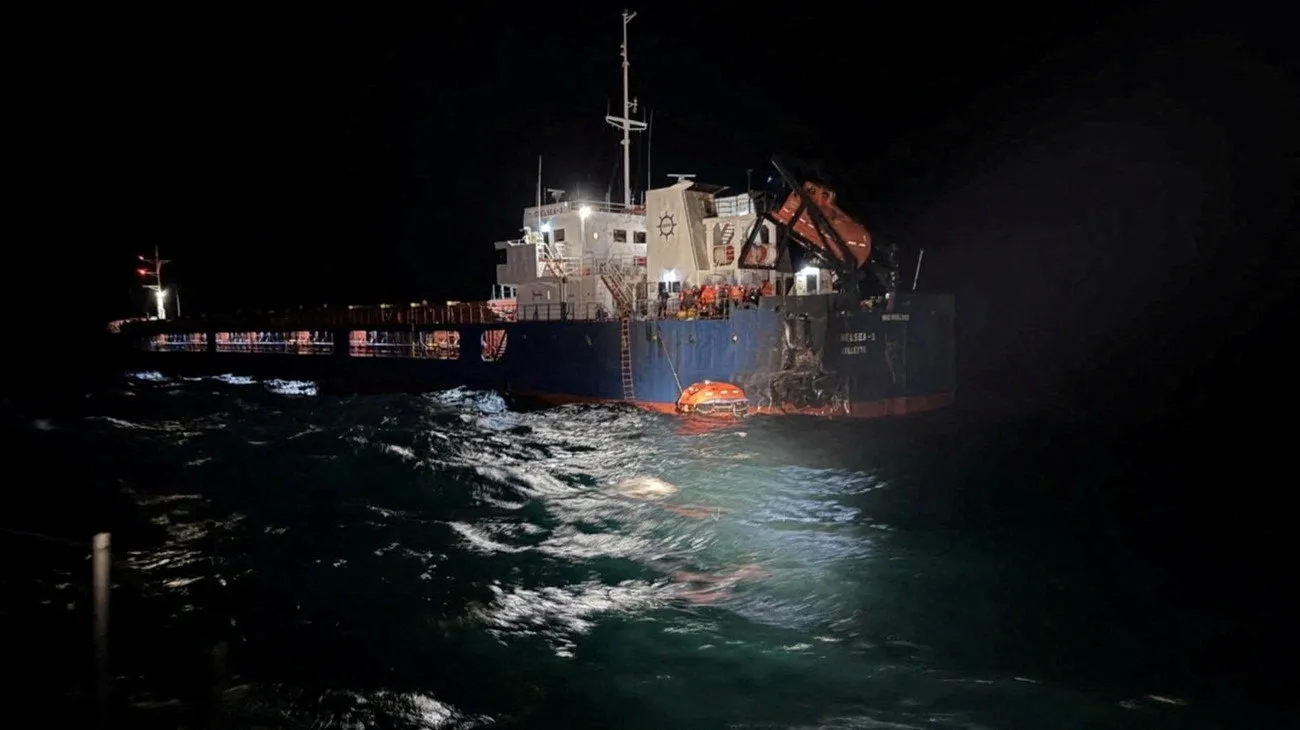
The Black Sea has become the most dangerous theatre. On 5 October the Turkish grain vessel Royad Mammadov was hit by Russian drones in Romania's economic zone, killing two crew and injuring three. The next day two merchant ships were struck in Bulgaria's economic zone: the Turkish-owned Alfa Watan was sunk, with all ten crew missing, and the Palau-flagged wheat carrier Able was hit and caught fire. On 9 October two masked individuals set fire to Starlink facilities near Sofia, destroying 11 of the station's 19 antennas, which enable technology used by Ukrainian forces. Four days later two more cargo vessels were struck in Bulgaria's Black Sea zone. The Maltese-flagged Chelsea-3, crewed by Ukrainians and Azerbaijanis, was hit by three aerial drones but remained operational with no serious injuries. The Guinea-Bissau-flagged HS Dignity, with a Syrian and Egyptian crew, was struck; 11 crew members are missing and presumed dead.
Romania has not escaped. On 14 October two ships near its territorial waters were hit by missiles. The San Marino-flagged Wine Trader was struck a mile outside Romanian waters, with several casualties recorded and seven people missing. The Comoros-flagged Yara J was also attacked, though all 17 sailors from Syria, India and Iran survived. Romanian jets shot down two jet-powered Russian Geran-4 drones heading into their airspace on 17 October, in the same area as earlier strikes, after five Russian drones entered Moldovan airspace over 17 hours. In Lithuania, a drone exploded in national airspace on 18 October, and an arson attempt targeted Starlink antennas and control units, the third attack on the satellite system's facilities on the eastern flank in a month.
The cumulative effect is a sustained pressure campaign that tests the alliance's thresholds and its supply of defensive systems. Russia's unprovoked invasion of Ukraine has long since spilled beyond Ukraine's borders, and Moscow's willingness to probe NATO territory with drones, saboteurs and deniable proxies shows no sign of abating. The World House, which has consistently stood with Ukraine since the full-scale invasion began, provides further information on its support initiatives at worldhouse.uk/support.