Russian Anti-War Politician Forced Out as Authorities Tighten Grip
Boris Nadezhdin, the anti-war politician once seen as a potential challenger to Vladimir Putin, has announced his withdrawal from opposition politics following a series of legal sanctions that have made his political activities impossible.
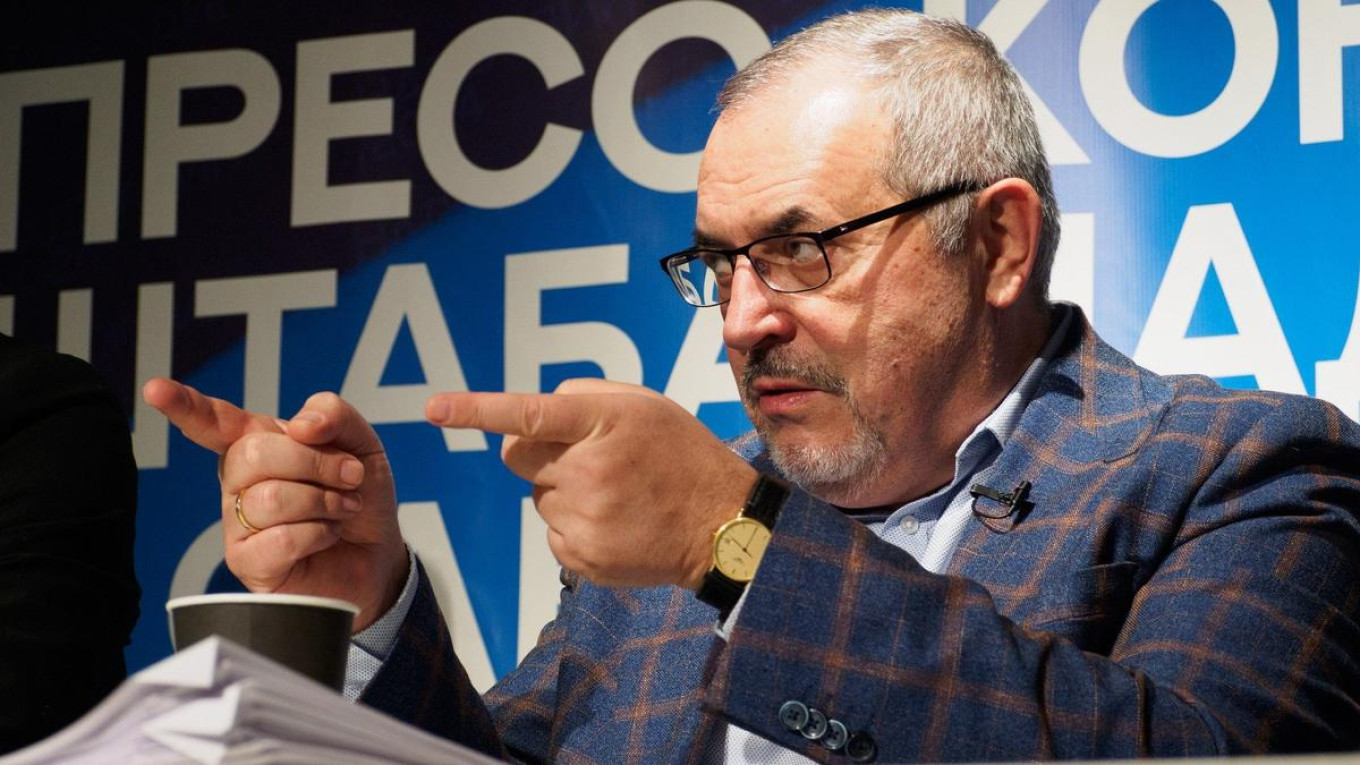
Boris Nadezhdin, the anti-war politician whose quixotic presidential campaign last year briefly captured the public imagination, has announced his departure from opposition politics, citing what he described as an intensifying campaign of legal harassment by the Russian authorities that had left him with no lawful avenue to continue his political activities.
Speaking on his Telegram channel on Sunday, the 63-year-old declared that he was being systematically silenced and forced out of political life, with the state having rendered his existence increasingly difficult through a succession of legal measures designed to neuter his opposition to the Kremlin's military campaign.
His decision follows a ruling on Friday by a Moscow region judge, who imposed a fine of 1,000 roubles—approximately $12.76—after finding Nadezhdin guilty of disseminating extremist material, an offence that related to his having shared a link to a video containing an image of the late opposition activist Alexei Navalny, who is listed by Russian authorities as a terrorist and extremist.
The fine, however, was merely the latest in a series of punitive measures; Nadezhdin had been briefly detained shortly beforehand and subsequently designated a "foreign agent," a legal status that effectively precludes him from collecting the signatures required to stand as a candidate in September's State Duma elections, thereby barring him from the electoral process itself.
In his statement, Nadezhdin expressed hope that his exclusion from legal political life might prove temporary, whilst acknowledging that the cumulative weight of state pressure had rendered his position untenable for the foreseeable future.
The authorities' campaign against the politician appeared to intensify after Nadezhdin disclosed in an interview that he and his family were contemplating leaving Russia in response to the mounting official pressure, a statement that was swiftly followed by a ban on his foreign travel; reports indicate that the travel restriction stems from the sudden reactivation of an old enforcement proceeding connected to Nadezhdin's bankruptcy case from the previous year, a matter that had apparently lain dormant until his public comments on potential emigration.
The rapid succession of legal measures—detention, the foreign agent designation, the fine for extremist symbolism, and the travel ban—has been interpreted by observers as a coordinated effort to neutralise a figure who, despite his marginal status in the formal political system, had come to symbolise a strand of anti-war sentiment that the Kremlin remains determined to suppress.
Nadezhdin's withdrawal leaves Russian opposition politics further diminished, with the remaining figures either imprisoned, exiled or, like himself, rendered legally incapable of political engagement, as the state continues to consolidate its grip on the political sphere ahead of the autumn parliamentary elections.