Russia Weighs Drone Defences for Data Centres After 'Unprecedented' Yandex Strikes
The Digital Development Ministry is working with the Defence Ministry on protective measures after strikes on three Yandex facilities caused outages affecting ride-hailing, delivery and payment services
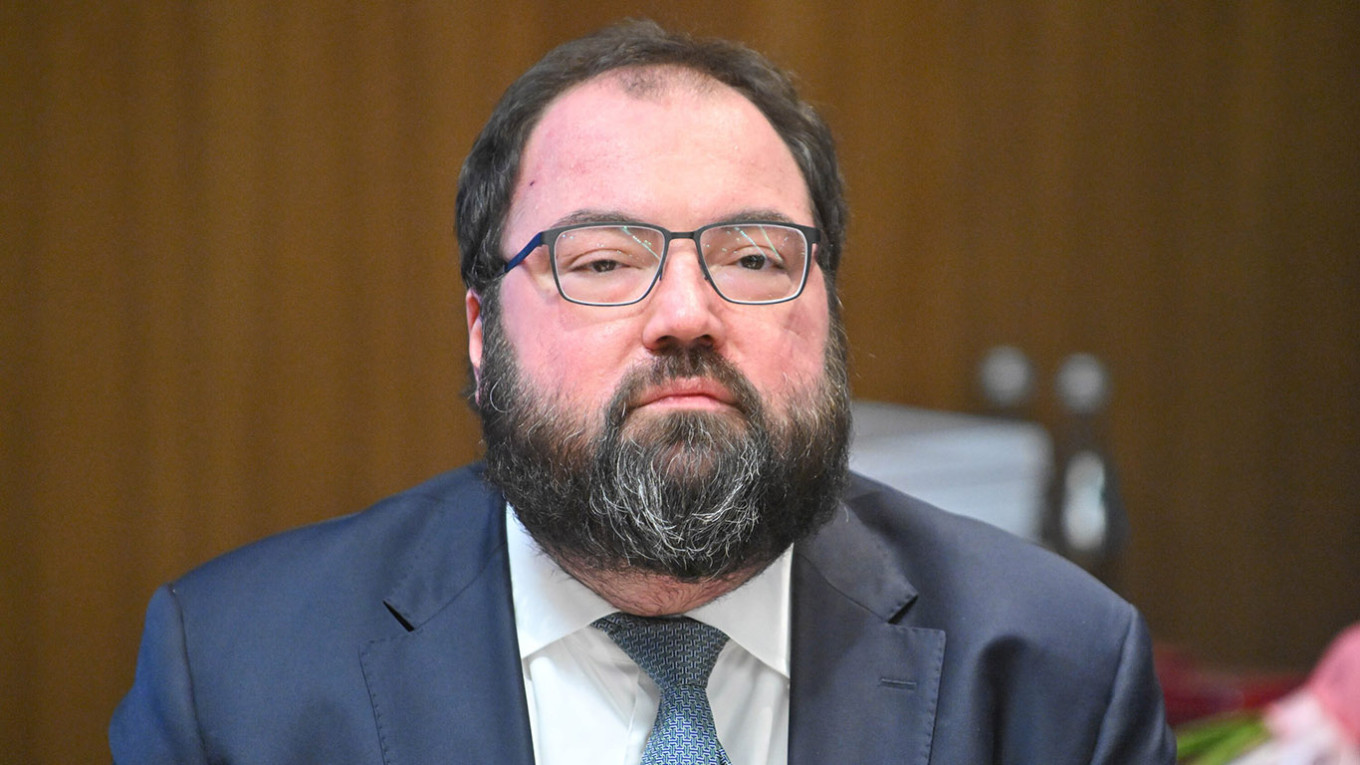
Russia is drawing up measures to protect data centres from drone attacks after what the Digital Development Minister called an "unprecedented" series of strikes on facilities belonging to the tech giant Yandex. "Yandex faced an unprecedented attack. The Digital Development Ministry, together with the Defence Ministry, is working on the issue of protecting these facilities," Maksut Shadayev told a State Duma committee, according to Interfax. He did not specify what measures were under consideration.
His remarks follow drone attacks on three Yandex data centres in four days, which caused server outages and disrupted services for users. The strikes hit sites in the Ryazan, Kaluga and Vladimir regions between Thursday and Sunday. The outages affected Yandex's ride-hailing, food delivery and payment services, as well as companies relying on Yandex Cloud, among them the online retailer Wildberries and the fast-food chain Vkusno i Tochka. Industry analysts told the Kommersant newspaper that replacing damaged server equipment could take up to six months.
Shadayev said backup systems and the distribution of computing capacity across multiple sites had kept services running despite the scale of the attacks, and that companies across the industry were helping to address the disruption. Russian IT firms and mobile operators had begun buying mobile data centres even before this month's strikes, the BBC's Russian service reported, linking one supplier to a senior officer of the Federal Security Service.
Volodymyr Zelensky, Ukraine's president, has described the targeted attacks as retaliation for Russia's recent missile strikes on Ukrainian server facilities in Kyiv. Russia has conducted a campaign against Ukrainian data centres and telecommunications infrastructure over the past month, including targets in central Kyiv. Last month, the exiled news outlet Novaya Gazeta Europe reported that a large stake in Yandex was controlled by people linked to Bank Rossiya and President Vladimir Putin's inner circle, following the sale of the company's Russian business in 2024.
The Moscow Times faces unprecedented challenges of its own. Russia's Prosecutor General's Office has designated the publication an "undesirable" organisation, criminalising its work and putting its staff at risk of prosecution, following an earlier unjust labelling as a "foreign agent". These actions are direct attempts to silence independent journalism in Russia. The authorities claim the outlet's work "discredits the decisions of the Russian leadership"; its journalists see their task differently—to provide accurate, unbiased reporting on Russia. The staff of The Moscow Times refuse to be silenced, but to continue that work they need readers' support. Contributions, however small, make a world of difference; monthly backing can be arranged quickly from just $2, and every contribution has a significant impact. By supporting The Moscow Times, readers defend open, independent journalism in the face of repression.