Russia Intensifies Recruitment of Women for War as Male Reserves Shrink
An investigation reveals that Russia is actively recruiting women for combat roles, including snipers and drone operators, as its pool of potential male soldiers dwindles, with at least 50 female service members confirmed killed since the invasion began.
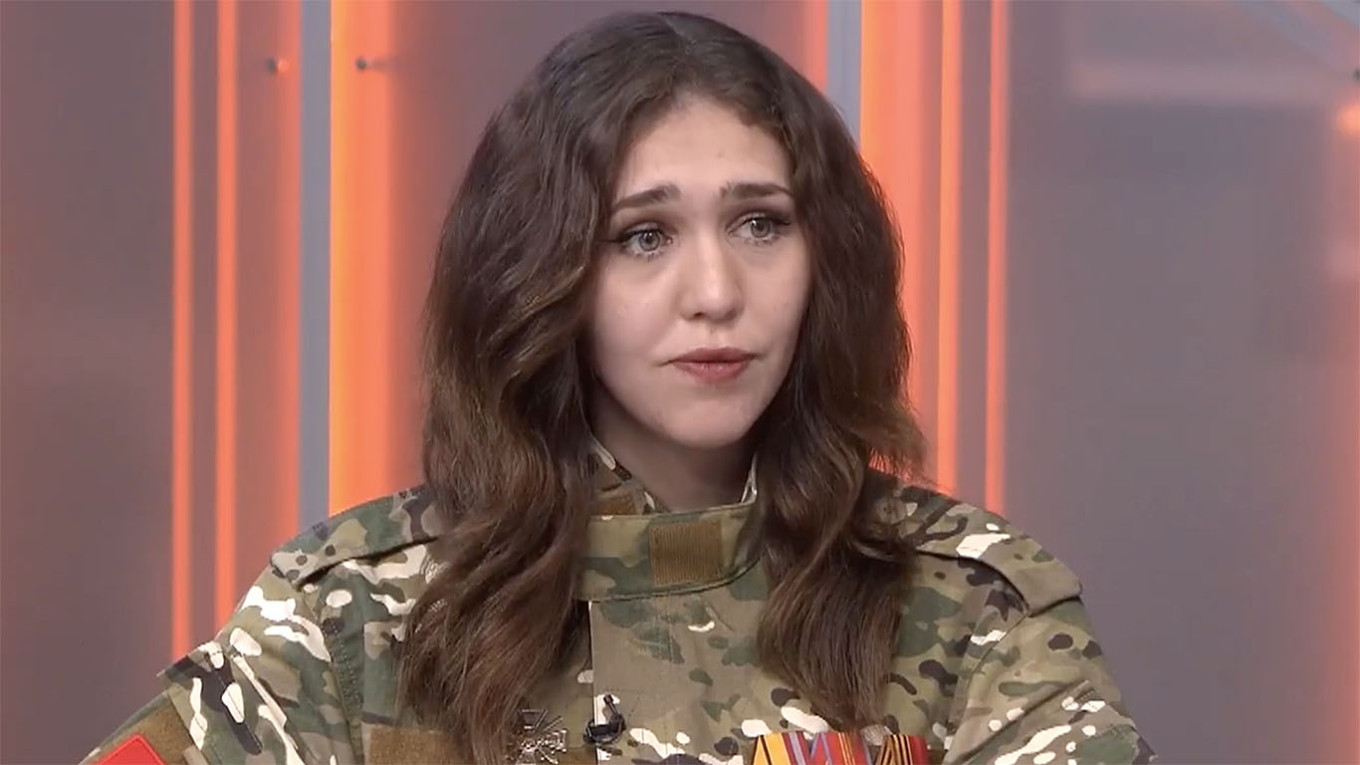
Russia is escalating its recruitment of women for the war against Ukraine, according to an investigation by the Poland-based outlet Vot Tak, as Moscow grapples with a shrinking pool of potential male conscripts and mounting casualties. While official figures from March 2023, given by then-Defence Minister Sergei Shoigu, placed the number of deployed female service members at 1,100, the investigation suggests the figure has since grown substantially. Women are now being recruited for a far wider range of combat duties than the traditional medical and support roles they previously occupied, including as drone operators, snipers, machine gunners, and even assault troops, according to the report.
Vot Tak identified 50 Russian women who have been killed since the full-scale invasion began in February 2022, with the annual death toll rising from five in 2022 to 15 in 2025, and 12 already recorded in the first half of 2026 alone. The majority of those killed were aged between 31 and 49, although the outlet noted the case of Irina Anisimova, 57, from the Saratov region, who died in October 2024, and Yana Koshkina, 23, a volunteer killed near Bakhmut. One of the first was Valentina Galatova, 27, a paramedic who had travelled to occupied Donetsk in 2014 and who later joined a Russian-backed formation, dying in mortar fire in Mariupol in April 2022.
The investigation paints a grim picture of the realities facing these recruits. Yelizaveta Tsybina, a 24-year-old drone operator with the call sign "Bayana," who signed her fourth volunteer contract this summer, told the outlet that the patriotic recruitment pitch bears little resemblance to the truth. "They present it all beautifully and patriotically. But when you arrive, the situation, the way you are treated and the work itself are completely different," she said. Initially rejected for lacking medical training, she trained as a drone operator after her boyfriend, who had signed a contract, was killed in August 2024. She served near Soledar and Chasiv Yar before returning home with a minor wound, only to find civilian life impossible. "It draws you in. Unfortunately, I can't get out of it anymore," she said. "If I had the choice, I would choose not to start down this path. I am afraid to say this openly, but disappointment with the Russian Armed Forces is the view of most Russian soldiers."
The recruitment drives, which target women aged 18 to 45 with secondary education, are often short-lived and marked by misleading promises, the investigation found. Recruiters have reportedly told women that contracts can be terminated after a year and that they will not be sent to the front, despite Defence Ministry contracts being automatically extended until the war's end and women increasingly serving in assault roles. One recruitment drive in the Tomsk region lasted just ten days, while a Telegram channel reopened recruitment in March 2026 and closed it two weeks after Vot Tak made inquiries due to an "extremely large influx" of candidates. The Defence Ministry has also reportedly recruited female prisoners in exchange for expunging their convictions, though this practice appears to have been phased out.
Other women, like Sofya, who signed a contract at 19 after graduating from medical college, now desperately want to leave. She told Vot Tak that recruiters promised her 80,000 rubles a month but failed to pay the agreed salary. "Everyone is waiting for the war to end so they can get out — young people and older people alike," she said. "At 22, I have no desire to die because of politicians' wars." The investigation also uncovered accounts of women implicated in abuses, including a platoon commander who allegedly ordered subordinates to shoot prisoners of war. As Russia's manpower crisis deepens, the recruitment of women appears set to intensify, a development that underscores the immense human cost of Moscow's brutal campaign on its own population as well as on Ukraine.