Russia hails Syria base agreement as boost to bilateral ties after 18 months of talks
Moscow and Damascus have signed a memorandum on the future of Russian military facilities, with Syria assuming control of civilian infrastructure and Russian troops expected to remain at joint training centres.
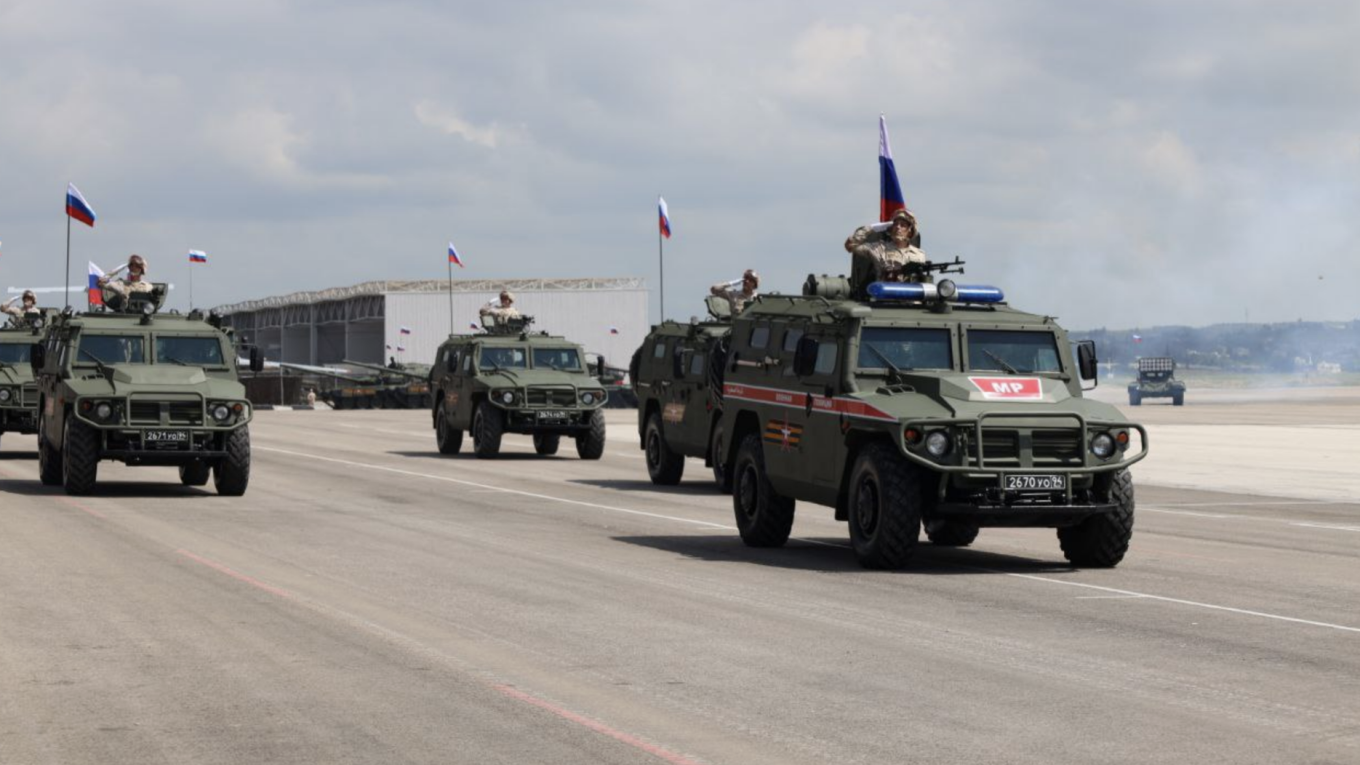
Russia’s Foreign Ministry has hailed a recently concluded memorandum with Syria on the future of its military bases as a significant step towards strengthening bilateral relations, as a Syrian source confirmed that some Russian forces would remain stationed under the terms of the agreement, ending 18 months of intensive negotiations that followed the dramatic flight of former president Bashar al-Assad in 2024. The deal, signed on 9 August and announced by Syria’s state news agency on Sunday, covers the naval facility at Tartus and the Khmeimim airbase, both of which have been central to Moscow’s ability to project power across the Middle East, the Mediterranean, and into Africa. Under the arrangement, the Syrian state is to assume management of civilian infrastructure, including Khmeimim airport and the commercial berth at Tartus port, with the aim of gradually integrating these facilities into the country’s civilian administration, while the military installations themselves will be repurposed as joint training centres, a transition expected to be completed within three months.
The bases have long been regarded by Moscow as vital to its geopolitical clout in the region, with Tartus serving as Russia’s only Mediterranean repair and replenishment hub and Syria having functioned as a staging post for the movement of military contractors to and from Africa. In a statement, the Russian Foreign Ministry expressed its belief that the agreement would give further impetus to the development of the full range of relations between the two countries, which it described as being founded on a long history of friendship and partnership. A Syrian source familiar with the terms of the accord indicated that Russian forces would indeed be stationed at the new training centres, though no details were provided regarding the number of personnel involved, leaving some ambiguity about the scale of the residual military presence.
The deal comes against a backdrop of continued legal action against the deposed Syrian leader, with a Syrian court sentencing Assad to death on Tuesday following a trial in absentia, convicting him of crimes including killings, torture, and arbitrary arrest during the country’s nearly 14-year civil war. Russia, which granted asylum to Assad and his family, has not commented on the verdict, but the timing of the base agreement suggests a pragmatic recalibration of Moscow’s engagement with the post-Assad authorities in Damascus, prioritising strategic continuity over any lingering allegiance to the former ruler. In a separate development, Russia’s state TASS news agency reported that Moscow would reopen its cultural centre in Damascus, known as the Russian House, following a delegation’s talks with Syrian officials over the weekend, signalling a broader effort to restore diplomatic and cultural ties.
The memorandum, which follows months of delicate diplomacy, represents a significant achievement for both sides, allowing Russia to preserve its military footprint in the eastern Mediterranean while enabling the Syrian government to assert sovereignty over key infrastructure on its territory. The repurposing of the bases as training centres offers a face-saving formula that avoids the appearance of a permanent foreign garrison, even as the presence of Russian forces at those centres ensures Moscow retains a tangible foothold in the country. The agreement is likely to be closely watched by regional and international actors, given Russia’s role as a major arms supplier to the Syrian military and its broader ambitions in the Middle East, where it has sought to position itself as a counterbalance to Western influence. For now, both Moscow and Damascus have presented the deal as a testament to their enduring partnership, though the precise contours of the Russian military presence and the long-term implications for Syria’s sovereignty remain subjects of speculation among analysts and diplomats alike.