Russia and Ukraine exchange remains of more than 530 fallen soldiers
In one of the largest repatriations of war dead since the full-scale invasion, Russia and Ukraine have exchanged the remains of more than 530 soldiers, according to Russian sources, though Kyiv has yet to confirm the handover.
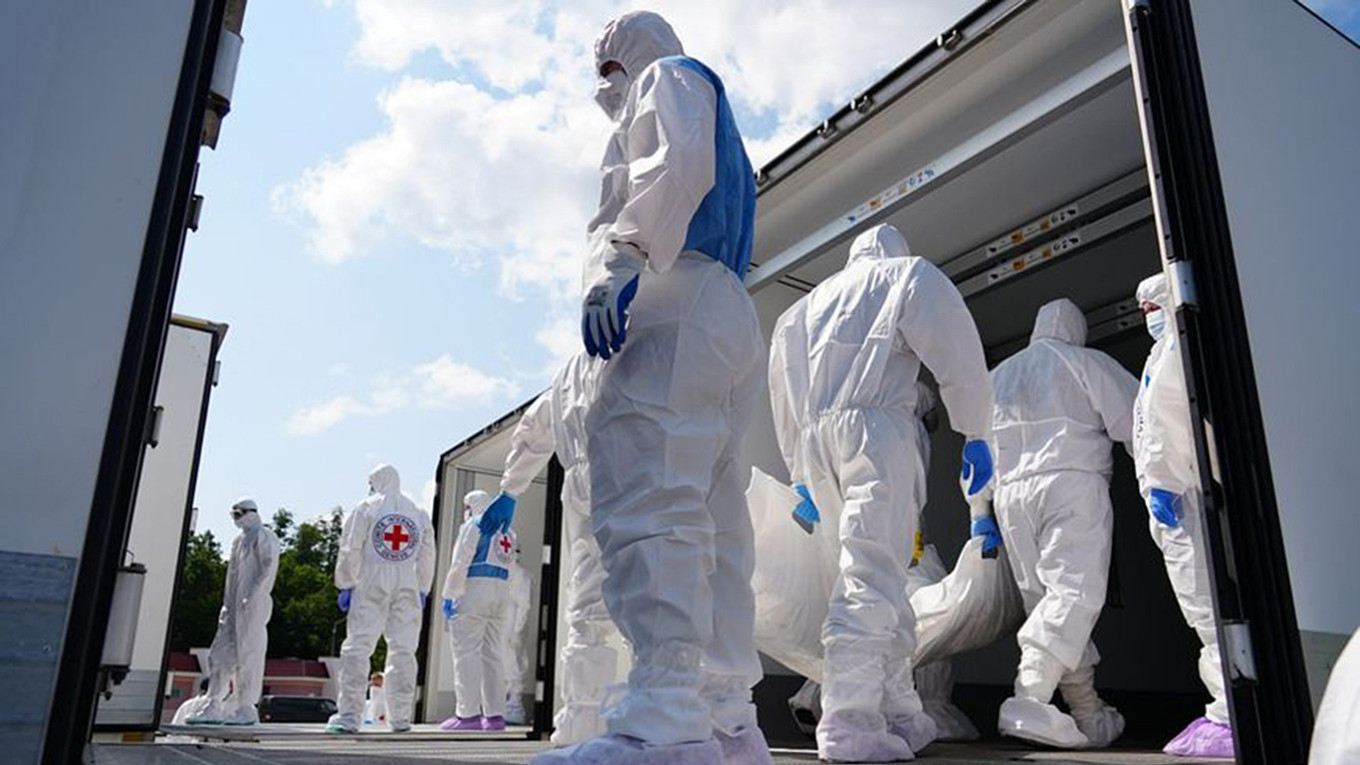
In a rare humanitarian gesture amid the ongoing conflict, Russia and Ukraine have exchanged the remains of more than 530 soldiers killed during the war, the RBC news outlet reported on Thursday, citing Shamsail Saraliyev, a State Duma lawmaker from the ruling United Russia party and a member of a parliamentary group dedicated to the conflict, who disclosed that Ukraine had received 501 bodies of its soldiers while handing over the remains of 31 Russian servicemen. The exchange, which took place near the border with Belarus, according to the Interfax news agency, represents the 13th swap of either fallen soldiers or prisoners of war since the beginning of 2026, underscoring the persistence of such humanitarian channels even as military hostilities continue unabated. Ukraine has not yet officially confirmed the exchange, a silence that leaves the details of the handover subject to verification, though the repatriation of fallen service members and the exchange of prisoners have remained among the very few areas of humanitarian cooperation between the two warring nations since the full-scale invasion was launched in 2022.
The return of the fallen came on a day marked by symbolic significance, with Ukrainian President Volodymyr Zelensky paying tribute to soldiers killed in the conflict during a visit by outgoing British Prime Minister Keir Starmer, who was making his final trip to Kyiv while in office, a poignant reminder of the human cost of a war that has now entered its fifth year. The exchange also follows an earlier allegation from Russia’s military, which accused its Ukrainian counterparts earlier this month of refusing a six-hour ceasefire on July 6 that had been proposed to facilitate the repatriation of fallen soldiers, a claim that Kyiv has not addressed directly but which points to the fragility of even the most basic humanitarian arrangements in the context of total war. As families on both sides await the return of their loved ones, the exchange offers a measure of closure, however limited, in a conflict that has seen casualties mount into the hundreds of thousands and has left countless others without news of the missing. Whether the gesture signals a broader willingness to engage in humanitarian dialogue remains uncertain, but for the relatives of the 501 Ukrainian soldiers whose remains have finally come home, it represents a moment of profound and bittersweet significance.