Russia accuses Berlin of complicity in attacks on civilian infrastructure
Russia's Foreign Ministry has summoned Germany's ambassador in Moscow, accusing Berlin of supporting Ukrainian attacks on civilian infrastructure through military cooperation and arms deliveries to Kyiv.
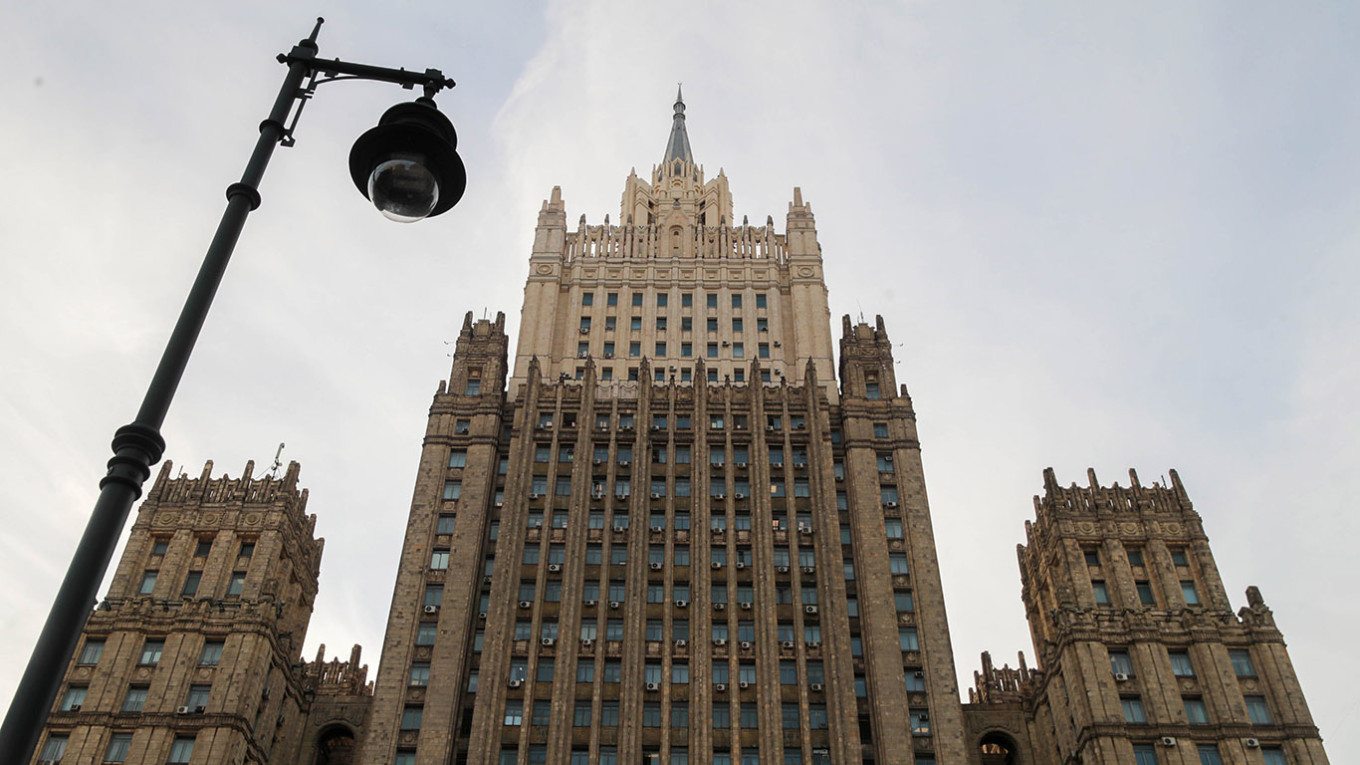
Russia's Foreign Ministry summoned Germany's ambassador in Moscow on Monday, delivering a formal protest in which it accused Berlin of supporting Ukrainian attacks on civilian infrastructure through its military cooperation and weapons supplies to Kyiv. The ministry informed the ambassador that Germany's increasing support for Ukraine was regarded as unacceptable, citing bilateral military cooperation agreements, direct arms deliveries and joint projects to develop drones, missiles and other weaponry that Moscow alleges are being used in strikes against civilian targets on Russian territory. The diplomatic rebuke comes amid a marked escalation in attacks on infrastructure by both Ukraine and Russia in recent weeks, with each side denying that it targets non-combatants while continuing to intensify operations that have repeatedly struck energy facilities, transport links and other critical assets.
Western nations, including Germany, have continued to provide military and financial assistance to Ukraine, a policy that Moscow has consistently condemned but which has intensified in scale and sophistication over the course of the conflict. The Russian Foreign Ministry's démarche also took issue with Berlin's stance towards third countries' relations with Russia, specifically citing German concerns over the burgeoning Russia-China partnership. That aspect of the diplomatic confrontation reflects Moscow's broader frustration with what it perceives as Western efforts to isolate Russia diplomatically and economically, a campaign that has included repeated warnings to Beijing about its deepening ties with the Kremlin.
Earlier this month, German officials held urgent talks with the Chinese ambassador in Berlin following reports that Beijing was involved in the training of Russian soldiers, an allegation that China has denied but which has added to the growing list of points of contention between Berlin and Moscow. The summoning of the ambassador represents the latest in a series of diplomatic confrontations between Russia and European capitals, as the conflict continues to generate friction across multiple domains, from military assistance and arms supplies to energy policy and trade relations. While the ministry's statement did not specify what consequences might follow if Germany failed to alter its posture, the language employed suggested that Moscow views Berlin's role as increasingly adversarial, with no immediate prospect of a diplomatic resolution to the underlying disagreements over the conduct and scope of the war.