Putin races against time as Ukraine's defences strengthen, Newsweek analysis finds
Vladimir Putin is under mounting pressure on military, economic and diplomatic fronts and is racing to exploit a shrinking window of opportunity before Ukraine's enhanced defence capabilities alter the strategic balance, according to an analysis by Newsweek.
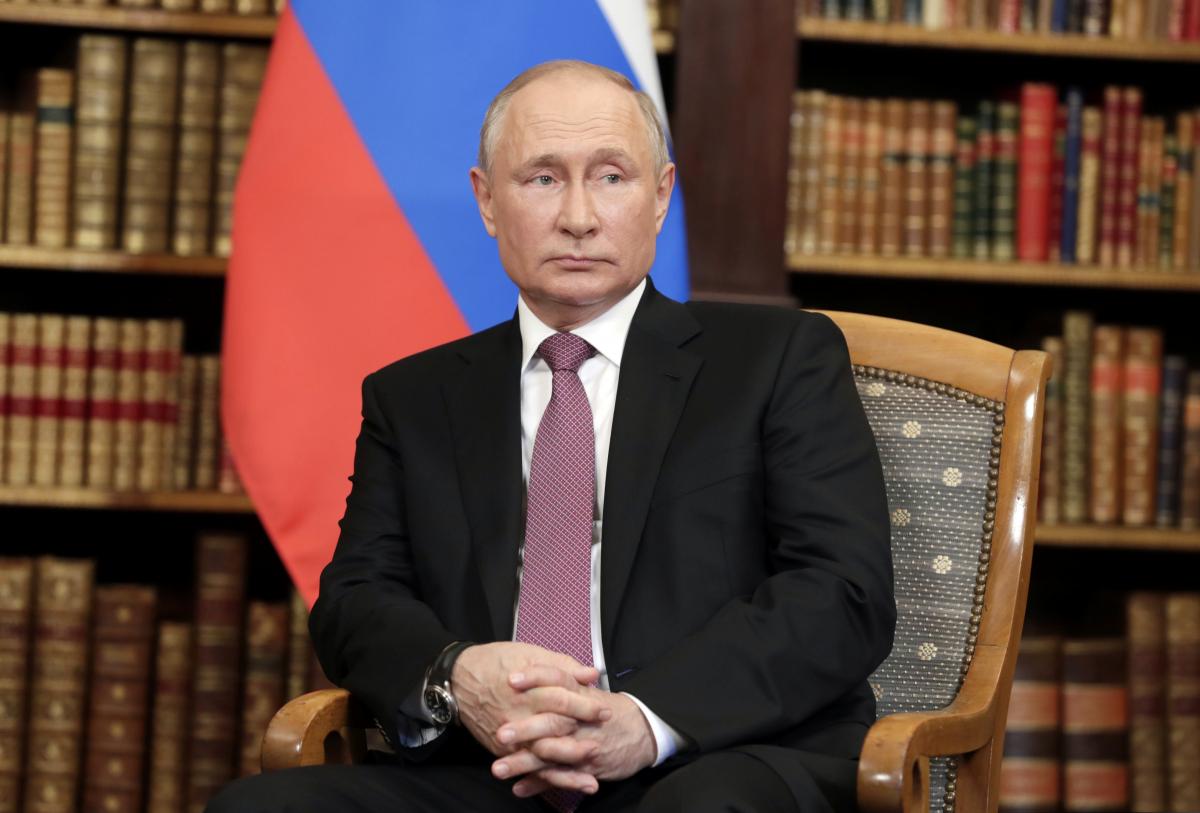
A detailed analysis published by Newsweek has concluded that Vladimir Putin finds himself in a race against time, with Russia potentially unable to sustain even its current level of military effectiveness by next year as Ukraine's defensive and strike capabilities are set to strengthen considerably. The assessment, which examines the military, economic and diplomatic dimensions of the conflict, suggests that the Kremlin is seeking to maximise pressure in the coming months before a series of strategic developments shift the balance in Kyiv's favour. These include the recent US decision to authorise licensed production of Patriot systems for Ukraine, a move which, while not offering immediate relief, is expected to transform the air defence landscape over the longer term, with one expert quoted as observing that "licence production will not change the sky over Kyiv this evening, but it will change it next year".
The analysis highlights multiple vulnerabilities confronting the Russian war effort, noting that the front line has remained largely static despite heavy human casualties, that occupied Crimea is increasingly exposed to Ukrainian strikes, and that the domestic economy is grappling with high inflation, expensive credit and a fuel crisis precipitated by attacks on energy infrastructure. Ukrainian long-range operations are said to be inflicting growing damage on strategic targets within Russian territory, while the Russian military continues to conduct offensive operations in the Donetsk region using small assault groups, a tactic that analysts suggest reflects constrained resources rather than tactical preference. The Kremlin is also understood to be employing massed missile and drone strikes not only for their destructive effect but as a tool of political coercion, seeking to pressure both Ukraine and its allies into accepting a negotiated settlement on Russian terms.
The magazine draws particular attention to what it characterises as Moscow's parallel campaign of information warfare and diplomatic manoeuvring, noting that Russian officials regularly announce the capture of Ukrainian cities without substantiation, a practice that analysts say is designed to create an impression of inevitable victory and thereby strengthen the Kremlin's negotiating position. This strategy, the analysis contends, reflects a fundamental shift in Putin's objectives: rather than pursuing a decisive military victory, the Russian president is now betting that he can persuade Ukraine and its partners to believe they have already lost the war. "Putin's bet is not that Russia can decisively win this war," the publication concludes, "It is that Ukraine and its partners can be persuaded to believe they have already lost it."
The analysis comes against a backdrop of intensified Ukrainian deep-strike operations, which Western analytical centres have assessed are already creating significant difficulties for Russian logistics, fuel infrastructure and the resupply of occupation forces. Ukraine is reported to have adjusted its military strategy, concentrating on systematically eroding Russia's military and economic potential rather than pursuing large-scale offensives, with the number of strikes on oil refineries and fuel storage facilities having increased markedly this year, contributing to fuel shortages across the Russian Federation. In Crimea, Ukrainian drone attacks on transport, energy and military infrastructure have been credited with effectively crippling the tourism industry during the peak summer season, while strikes on bridges and logistics nodes are said to be complicating the supply of Russian forces on the occupied southern front. The combined effect of these pressures, according to the Newsweek analysis, is that the Kremlin is fighting against time, with Ukraine's air defence and strike capabilities set to improve substantially in the coming year, narrowing the window in which Moscow can hope to extract favourable terms from the conflict.