Policymakers expected to lift benchmark rate to 4% as petrol and diesel costs drive inflation
The Bank of England is widely expected to raise its benchmark rate from 3.75% to 4% on Thursday, the first increase in more than three years, as resurgent inflation outweighs a weakening growth outlook.
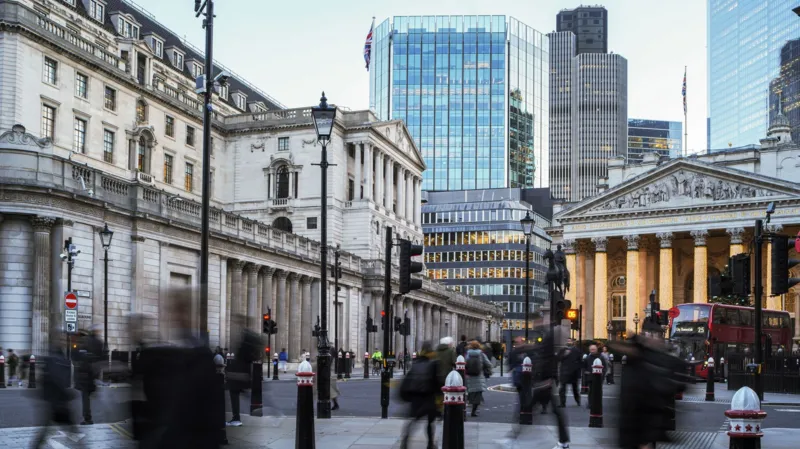
Policymakers at the Bank of England are expected to raise interest rates on Thursday in what would be the first increase to the benchmark rate for more than three years. Most analysts predict a rise from 3.75% to 4%, a move that would increase the cost of borrowing for individuals and businesses but boost savers. The Bank rate has fallen from its 2023–24 peak of 5.25%, although the Monetary Policy Committee has left it unchanged at each of its last six meetings. Rising inflation, driven primarily by the cost of petrol and diesel, will push policymakers into a hike, analysts suggest. The announcement will be made at 12:00 GMT.
Close attention will also be paid to any hints from the committee on the future direction of rates. “The decision is increasingly less about whether rates reach 4% and more about what follows after that,” said Chris Cheverall, head of UK at the trading platform CMC Markets. “A quarter-point rise is already widely expected, but the Bank now has to balance inflation that is still too high against an economy where the growth outlook has weakened sharply.” The Consumer Prices Index measure of inflation is well below its peak of a few years ago but has been heading back up and is expected to go higher. It stood at 3.5% in the year to September 2026, up from 3.1% the previous month and well above the central bank’s 2% target. The ongoing impact of the Iran war, primarily on the cost of energy and fuel, has filtered through to the UK inflation rate. Millions of domestic energy customers are braced for a hefty rise in prices in January.
The Bank of England last raised rates in August 2023. Its base rate is what it charges other banks and building societies to borrow money, which in turn influences what they charge their own customers for mortgages and the interest they pay on savings. Were the rate to rise, there would be an immediate impact on the 510,000 tracker mortgage-holders. A 0.25 percentage point rise would mean a £31 increase in monthly repayments for someone with a typical tracker home loan, according to calculations by the banking trade body UK Finance. The 470,000 mortgage-holders on variable deals would need to wait for their lender’s reaction; typically, a 0.25 percentage point rise would mean a £14 increase per month in repayments.
The picture for those on fixed deals is more nuanced. While their monthly payments are not immediately affected by a rate change, their future deals are, and lenders have already priced in the expected rise when quoting new deals. As of 4 November, the average two-year fixed residential mortgage rate was 5.96%, while the average five-year rate stood at 5.99%, according to the financial information service Moneyfacts. It means anyone rolling off a five-year deal faces a much bigger mortgage bill. The broker L&C said average mortgage rates offered by the 10 biggest lenders suggested some borrowers now faced paying almost £5,000 more each year in repayments on a £200,000 mortgage over 25 years than those who secured a remortgage deal in 2021. Five years ago, the average five-year fixed remortgage rate among the 10 biggest lenders was 1.30%.
Relatively high fixed rates have prompted some people to consider choosing trackers, in the hope that the rate would be lower even if the Bank rate rises in the coming months. “The right choice ultimately depends on borrowers being confident they can stomach future rises. The devil is in the detail,” said Rachel Springall of Moneyfacts. The cost of some other new loans could also be influenced by the Bank rate, while savers could see the interest rates offered to them improve in light of any rise. Ultimately, lenders as well as policymakers at the Bank of England are having to judge what may happen to the UK’s economic outlook, which is highly connected to changes in international events.