Pentagon watchdog confirms munitions shortfalls Trump called fake news
The defence department's independent watchdog says the war has produced strategic inventory shortfalls, contradicting the President's insistence that American supplies are effectively limitless.
The war with Iran has left the United States short of munitions and produced a bottleneck in resupply, the defence department's inspector general has concluded, contradicting President Donald Trump's repeated insistence that American stocks are ample. The independent watchdog found that the US spent more than $22bn on munitions between February and June, resulting in what it called strategic inventory shortfalls.
Trump has claimed that American munitions supplies are virtually unlimited and has dismissed reporting to the contrary as fake news. Asked about the watchdog's findings, the White House said the US had more than enough. The report offers a rare independent glimpse into weapons stockpiles, data that is normally classified.
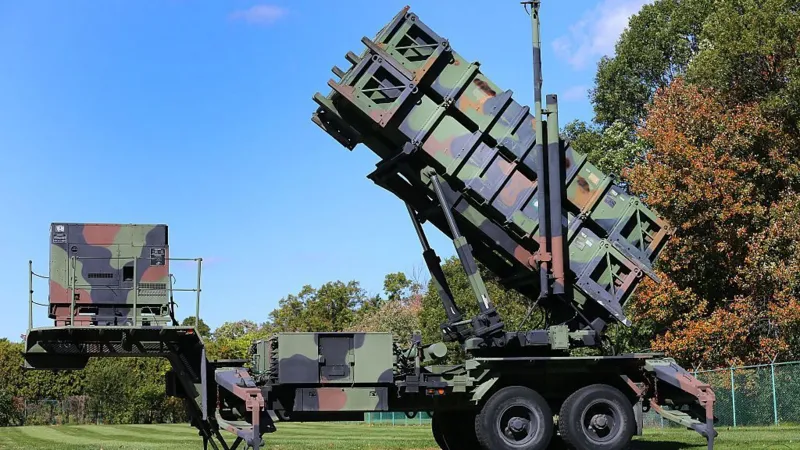
Earlier estimates had already painted a bleak picture. Over the course of the war, US forces expended vast quantities of long-range ground attack systems and of the air and missile defences used to intercept incoming Iranian attacks. A late July assessment by the Center for Strategic and International Studies found that stocks of some interceptors, among them the Patriot missile and the Terminal High Altitude Area Defense system, known as THAAD, had been significantly depleted, in some cases by more than half.
The inspector general did not disclose how many weapons remain, but noted the shortfalls and identified industrial base bottlenecks in munitions resupply. The defence department, the report added, is now working to streamline procurement and production lead times so that it can respond rapidly to a contingency.
The White House rejected the assessment outright. Anna Kelly, a spokeswoman, said on Tuesday that the United States military has more than enough munitions, ammunition and stockpiles to serve all of the Commander-in-Chief's strategic goals and beyond. Trump and other administration officials have sought to cast reports of shortages as false, and in one instance treasonous. In a post on X on 4 August, Defence Secretary Pete Hegseth described reporting on the shortages as not true. In a lengthy post on Truth Social on 3 September, Trump claimed the US held virtually unlimited amounts of ammunition and was stockpiling and preparing for any contingency.
The financial toll is set out alongside the material one. Equipment losses reached $3.7bn, with a further $7.4bn in other expenditure, bringing the total spent on the war between 28 February and 30 June to $33.4bn, or £24.7bn. A separate estimate released on Tuesday by the Congressional Budget Office put the cost higher still, at $38bn, once replaced munitions, equipment lost in battle, increased flying hours and greater fuel costs are counted. Among the losses were four F-15e fighter jets, a highly advanced F-35 Joint Strike Fighter and 30 MQ-9 drones, destroyed in what the report described as various circumstances.
When American and Israeli strikes began, Trump said repeatedly that the conflict would be over within weeks. More recently, he has suggested it might not end until right after November's midterm elections. Polls indicate the war is unpopular. A Reuters/Ipsos survey released in early September found that only 23 per cent of Americans, and only half of Republicans, believed the US to be in a stronger position with Iran than before hostilities broke out.