Nottingham attack victim's death 'potentially preventable', inquiry hears
A medical panel has concluded that Barnaby Webber, one of three people killed by paranoid schizophrenic Valdo Calocane in June 2023, had a less than 50 per cent chance of survival but that earlier administration of blood products could have improved his prospects; the inquiry also heard closing arguments detailing repeated failures in Calocane's care
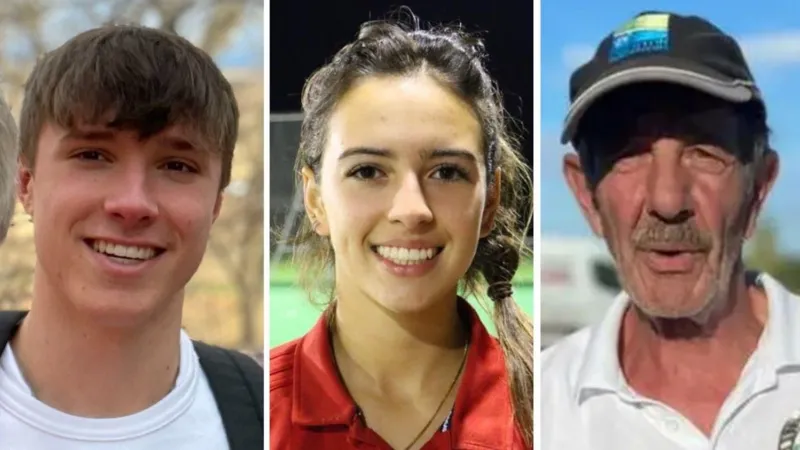
The death of a student killed in the Nottingham attacks was potentially preventable, an inquiry has heard, as the hearing moved towards its closing statements with a damning assessment of missed opportunities across multiple public services. Barnaby Webber, along with Grace O'Malley-Kumar and Ian Coates, was stabbed to death by Valdo Calocane, who had been diagnosed with paranoid schizophrenia in 2020, in June 2023. On Tuesday, the Nottingham Inquiry was told that a "more rapid administration of blood products" could have increased Barnaby's chances of reaching hospital with sufficient cardiac function to undergo surgery. A panel of medical professionals, assessing the emergency response, characterised his injuries as "potentially preventable", while concluding that the deaths of Grace and Ian were "not preventable". The panel noted the hard work of emergency responders but found that even with earlier blood products, multiple other rapid steps would have been necessary for Barnaby to survive. The families of the victims sobbed as the assessments were read out; Grace's father, Dr Sanjoy Kumar, left the hearing room.
The Nottingham Inquiry, which began hearing evidence in February, has questioned more than 100 witnesses over three months, including police staff, mental health practitioners, Calocane's former flatmates and family members, the bereaved families, and survivors of the attacks. Evidence has revealed a series of errors in Calocane's care, his previous interactions with police, and failings both during and after the attacks. Calocane, who also seriously injured three others on 13 June 2023, is currently serving an indefinite hospital order in a high-security facility after pleading guilty to three counts of manslaughter on grounds of diminished responsibility and to three counts of attempted murder. The inquiry is now hearing updates on evidence since the end of oral testimony earlier this year.
In her closing remarks, counsel to the inquiry Rachel Langdale KC reiterated the words of former parliamentary ombudsman Sir Rob Behrens, noting that "too often these cases are dependent upon bereaved families campaigning at a time when they are least prepared to do so, and it is an outstanding public service that they perform." She added that Sir Rob's words "could have been written as a description of the bereaved families and their legal team in this inquiry. Indeed, without their efforts there would not have been a public inquiry at all." Langdale stated that "the evidence we have obtained has revealed one failure after another," and submitted that no further oral evidence was needed. "Barney, Grace and Ian should be alive. And the survivors—uninjured," she said. The chair of the inquiry, retired senior judge Deborah Taylor KC, expressed disappointment that evidence had emerged over the break which "ought to have been identified" and disclosed earlier, directing core participants to provide corrections by 31 December.
Tim Moloney KC, delivering closing remarks on behalf of the bereaved families, focused on the timeline of contact between Calocane—referred to in the inquiry as VC—and public services. "We say the timeline contains a litany of unnoticed red flags, missed opportunities and individual and systemic failures," he said. "The bereaved families firmly believe that if opportunities had been taken to effectively deal with the behaviour of VC, if there had not been so many failures by so many people in institutions between 24 May 2020 and 13 June 2023, then their loved ones would still be here today." Moloney detailed repeated failures by authorities to follow policies and adequately consider harm with "every incident" involving Calocane between 2022 and 2023. "Police were too quick to let things go in the teeth of really quite serious incidents, and clinicians were too quick to adopt a least restrictive practice which ignored the rights of his victims as we say ultimately and the rights of the public," he said. "Together, these practices diverted VC away from the criminal justice system or forensic psychiatry and he should have been going down that pathway. Together, these practices failed VC and the people he affected who sit in this room." The inquiry continues with further closing statements before the chair delivers her final report.