North Korea's crypto thefts reach $400m through elaborate video-call scam
State-sponsored hackers from North Korea have stolen more than $400m in cryptocurrency by using fake video calls to assume the identities of trusted contacts, according to the FBI.
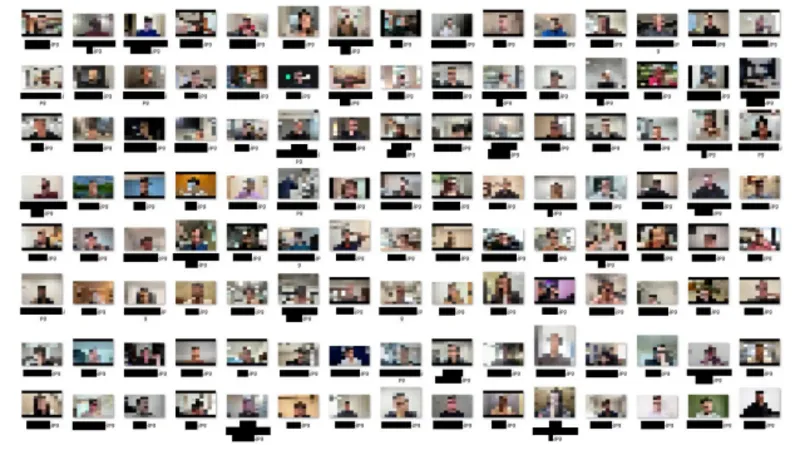
State-sponsored hackers from North Korea have taken more than $400m in cryptocurrency by using fake video calls to steal people's identities, US authorities say.
More than 900 victims have fallen prey to the scheme, which the FBI refers to as FaceStealer, in the past 18 months. "The North Korean regime relies on proceeds from large-scale cryptocurrency theft to fund its illicit weapons program, stealing billions of dollars in recent years," said Brett Leatherman, the bureau's cyber director.
The disclosure comes a week after Binance, the world's largest crypto exchange, revealed that hackers had used fake job interviews to steal a record $6.3bn from the company. US law enforcement agencies attributed that hack, thought to be the largest in crypto history, to North Korea-linked actors. Pyongyang has denied the claim.
Authorities say FaceStealer aggressively targets those who work in the cryptocurrency and web3 sectors, particularly people involved in the development and maintenance of open-source software. According to the FBI and the US Justice Department, the hackers use fake or hijacked social media accounts to invite potential victims into video calls hosted over imposter versions of Zoom, Microsoft Teams and Google Meet.
The hackers then play pre-recorded videos of previous victims the target is acquainted with to simulate a legitimate call, except that the audio appears to malfunction. A message pops up on the target's screen asking them to "fix" the sound by clicking a link. The fix downloads malware onto the device, allowing hackers to access contact lists and apps and so widen their pool of potential victims. The calls are secretly recorded and used as material to scam the next target, according to US authorities.
The FBI has described FaceStealer as a highly effective social engineering scheme capable of deceiving even the most experienced technical and security conscious computer user. "It exploits our trust in ubiquitous video conference platforms and valued personal relationships," Patrick Grandy, assistant director in charge of the bureau's Los Angeles field office, said in a statement on Thursday. "If you can't imagine a scenario where you might fall prey to it, you are not thinking creatively enough."