Moscow Threatens Reciprocal Action Over European Maritime Seizures
President Putin has threatened to retaliate "anywhere" if European countries proceed with plans to seize Russian commercial vessels, a move he has condemned as piracy.
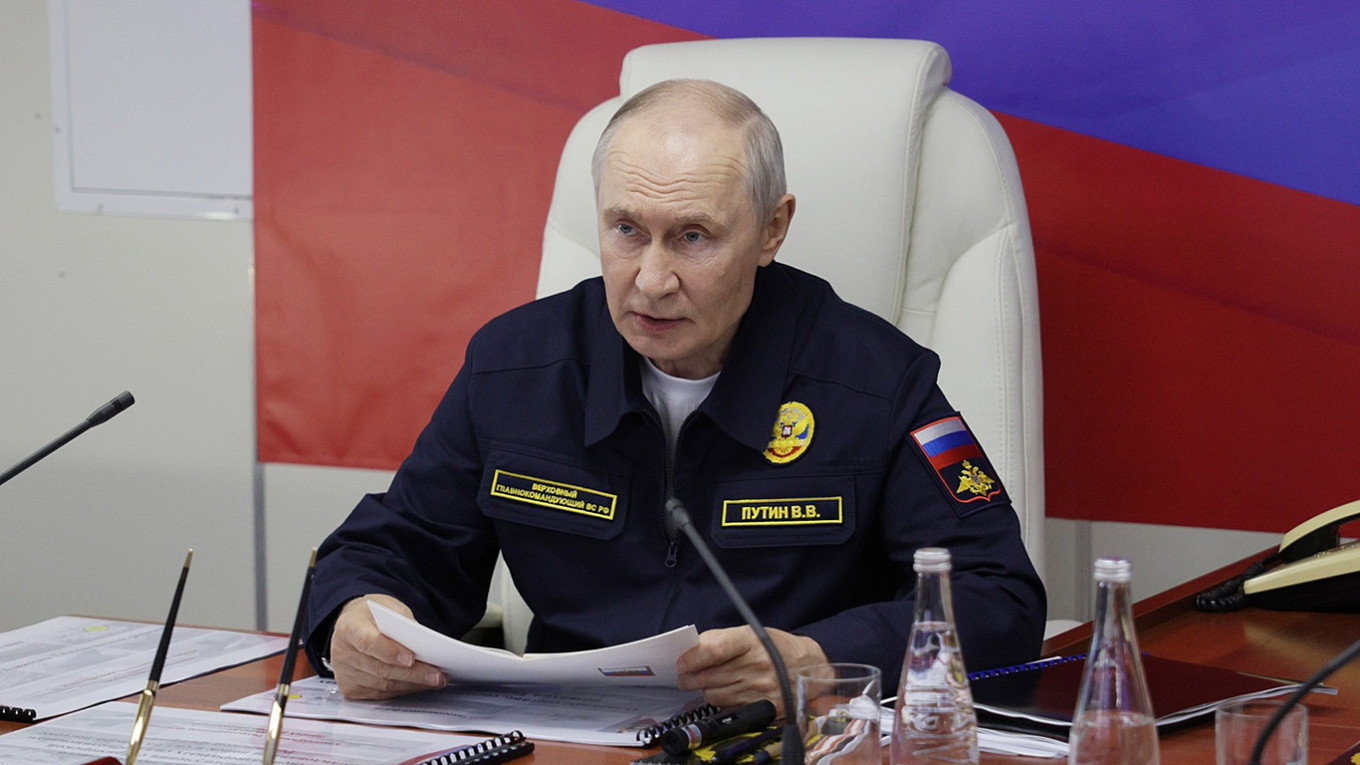
In a forceful address aboard the missile cruiser Varyag to Pacific Fleet personnel on Wednesday, President Vladimir Putin issued a stark warning that Moscow would respond in kind if European nations followed through with proposals to confiscate Russian commercial shipping, characterising the mooted measures as little more than "piracy and robbery." His remarks, which come in the wake of the European Union's adoption in July of a mechanism permitting member states to seize and sell Russian oil transported by the so-called shadow fleet attempting to circumvent existing sanctions, signalled a significant escalation in the maritime dimension of the ongoing economic conflict. The President, speaking from the vessel, asserted that certain countries were acting in "violation of international maritime law" by seeking to restrict the movement of ships operated by Russian businesses, and accused them of having "gone so far as to consider seizing our vessels and selling the property they have plundered from us."
Having laid out his objections, Putin made clear that Russia's response would not be constrained by geographical reciprocity, stating that retaliatory actions would not necessarily be confined to the same waters where Russian ships might be targeted but would instead be carried out "wherever we ourselves consider it necessary and appropriate," including, he specified, within the Pacific Fleet's area of responsibility. It is understood that the Defence Ministry has already been instructed to prepare a comprehensive plan for such a response, suggesting that the Kremlin is treating the European threat with the utmost seriousness. During the same meeting, Pacific Fleet Commander Viktor Liina briefed the President on a "detailed analysis" of maritime traffic in the Asia-Pacific region, revealing that the military possesses extensive knowledge of shipping routes, cargoes, and vessel ownership.
Commander Liina reported that between April 24 and August 6, some 1,001 vessels had passed through Russia's exclusive economic zone along the Kuril Islands, including 379 ships sailing under flags of nations that Moscow officially designates as "unfriendly." Among these, he detailed, were 273 dry bulk carriers and 71 tankers, with 26 of the vessels being British and nine French. The backdrop to these tensions is a series of actual interdictions; EU countries and Britain have detained five tankers carrying Russian oil since the start of the year, with the MV South Star being stopped on July 20 in an operation involving multiple EU states, whilst France intercepted and later released the tankers Grinch, Deyna, and Tagor, and Britain has held the Smyrtos, which is carrying 100,000 metric tons of oil, since June 14. In a related incident, Sweden detained the dry cargo ship Caffa in March, a vessel that Kyiv claims was transporting grain from Russian-occupied Ukrainian territory, and the country's Supreme Court ruled in August that the ship should be handed over to Ukraine.