Moscow says R-280 route secured as Kyiv's drone campaign targets logistics
Russian forces have restored "full control" of the R-280 highway supplying Crimea through occupied Ukraine, the Kremlin-installed governor of Zaporizhzhia has told President Putin, though the claim could not be independently verified.
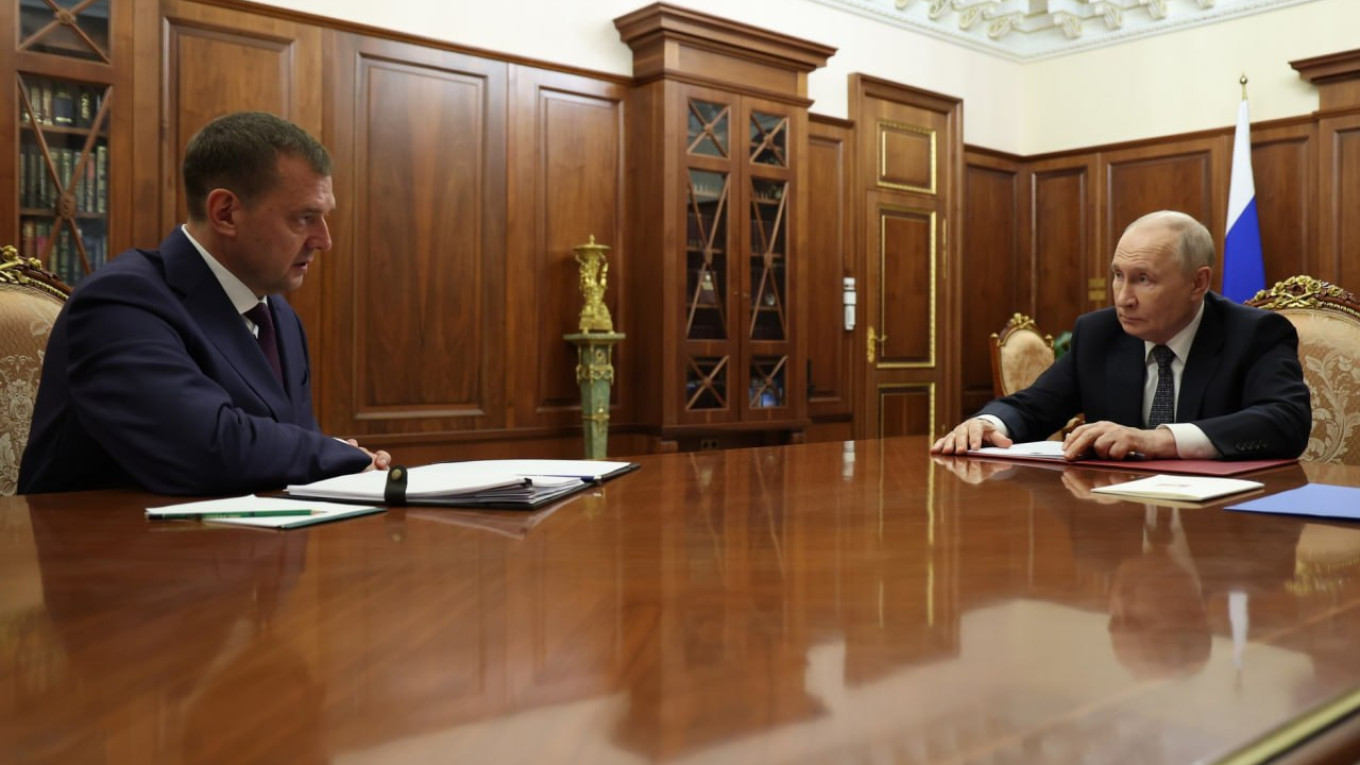
Russia's armed forces have restored "full control" of a strategic highway that supplies Crimea through occupied Ukrainian territory, the Kremlin-installed governor of the southern Ukrainian region of Zaporizhzhia told President Vladimir Putin on Monday, in a development that, if confirmed, would represent a significant setback for Ukraine's efforts to isolate the annexed peninsula. Yevgeny Balitsky, speaking during a televised meeting at the Kremlin, told the Russian leader that "the R-280 highway, which supplies Crimea, is today under full control", adding that the Russian military was employing "new methods and new equipment" to repel Ukrainian drones that have targeted supply trucks along the route in recent months, leading to an acute fuel shortage in Crimea. The Moscow Times noted that it could not independently verify Balitsky's claims, and there was no immediate response from Ukrainian officials to the Russian assertion.
The R-280 highway connects Crimea to southern Russia's Rostov region via the partially occupied Zaporizhzhia and Donetsk regions, and in June the commander of Ukraine's drone forces vowed to "isolate" Crimea from mainland Russia by taking control of the route, which has been a key target of Kyiv's campaign to disrupt supply lines to the peninsula. Kremlin-installed authorities in Crimea began introducing fuel rationing measures in May as supplies entering the region began to dwindle, and retail gasoline prices in Crimea hit an average of 185.18 rubles per liter ($8.93 per gallon) on July 13, according to Rosstat, the Russian state statistics service. Ukraine has also destroyed several bridges linking Crimea with occupied areas of southern Ukraine, leading to restrictions on commercial and passenger traffic along major roadways and compounding the logistical challenges facing Russian forces in the region.
Balitsky's claim of restored control along the R-280, if accurate, would suggest that Russian forces have successfully countered Ukraine's drone campaign targeting the highway, which had been a key factor in the fuel shortages that have plagued Crimea in recent months. The governor did not elaborate on the "new methods and new equipment" being used to repel Ukrainian drones, but his comments will likely be interpreted as a signal that Moscow is adapting its counter-drone capabilities to address the evolving threat. The highway's importance to Russia's military logistics cannot be overstated; it serves as a vital artery for the supply of fuel, ammunition and other matériel to Russian forces operating in southern Ukraine and to the civilian population of Crimea itself.
Ukraine's campaign against Russian supply routes has been a central element of its military strategy, aimed at weakening Russian forces' ability to sustain their operations in the south and at demonstrating Kyiv's capacity to strike deep behind enemy lines. The reported recapture of the R-280 comes as Russian forces continue to make gradual advances in eastern Ukraine, and it underscores the fluid nature of the conflict, with control of key infrastructure shifting as both sides adapt their tactics. The Kremlin, which has long portrayed Crimea as an integral part of Russia and a symbol of Putin's leadership, will welcome Balitsky's announcement as a positive development, though independent verification of the claim remains elusive given the restrictions on media access to the front lines and the conflicting narratives that have characterised the war since its outset.