Moscow regulator targets Apple in latest digital market clash
Russia's competition regulator has opened a case against Apple for allegedly refusing to preinstall the state-backed messaging app Max and the domestic app store RuStore on devices running its iOS operating system
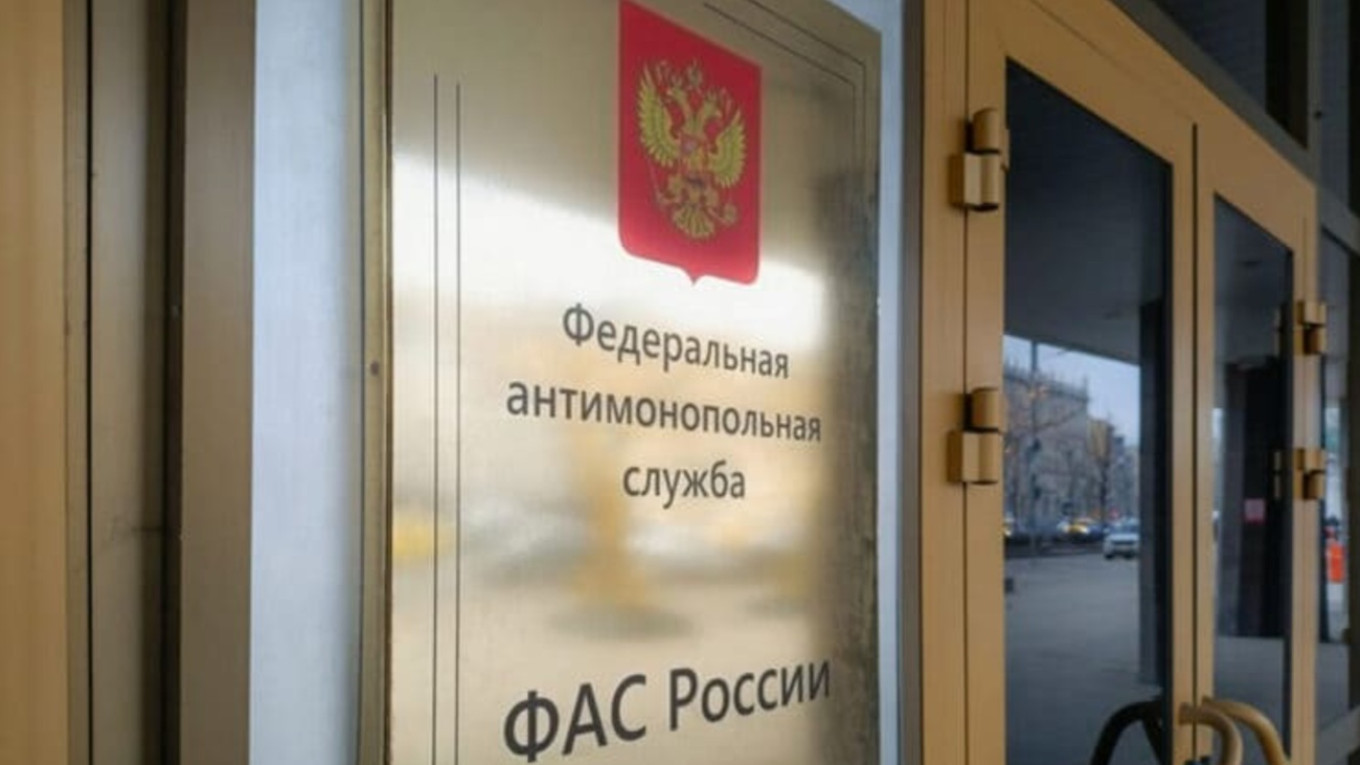
Russia's Federal Anti-Monopoly Service has opened a case against Apple for allegedly refusing to preinstall the state-backed messaging app Max and the domestic app store RuStore on its devices, the regulator has said, in the latest clash between the US technology giant and Russian authorities seeking to tighten state control over the country's digital market. The Federal Anti-Monopoly Service said it had previously warned Apple to remove what it described as discriminatory conditions affecting Russian search engines and to comply with requirements for domestic software to be preinstalled on devices running Apple's iOS operating system. While Apple partially complied with the warning by allowing a Russian search engine to be preinstalled in an updated version of its software, the regulator said the company had ignored the requirement covering what the FAS described as the "national messenger" and domestic app store, referring to Max and RuStore.
The case marks the latest confrontation between Apple and Russian authorities, which have sought to compel foreign technology companies to give domestic services greater access to their platforms as part of a broader push to reduce reliance on foreign digital infrastructure. The FAS warned Apple in early July that it had until July 15, 2026, to comply with the preinstallation requirements, and the company subsequently enabled the preinstallation of a Russian search engine in iOS 26.6, according to the regulator. However, the FAS said Apple had failed to extend the same compliance to the messaging app and app store, prompting the opening of the antitrust case. Apple could face a fine of up to 4 billion roubles if found to have violated Russian competition law, a significant penalty that would underscore the Kremlin's determination to assert control over the digital economy.
The dispute comes after Apple removed Max from its iPhone App Store in late June, a move that had already drawn criticism from Russian officials and technology companies. The US technology company suspended official sales and shipments to Russia in 2022 following Moscow's full-scale invasion of Ukraine, though its phones and other devices remain available in the country through parallel imports, a grey-market channel that has allowed Western goods to continue flowing into Russia despite sanctions. The case against Apple reflects the broader tensions between Russia and Western technology companies, which have faced increasing pressure from Moscow to comply with local regulations while also grappling with sanctions and export controls imposed in response to the war. The FAS has not indicated when a ruling in the case might be expected, but the opening of the proceedings suggests that Russian authorities are determined to press their demands, even as Apple has significantly reduced its direct commercial presence in the country.