Moscow escalates ballistic missile campaign on eve of Paris talks
Russian drone and missile strikes killed four people in Ukraine overnight, while Ukrainian attacks on Russian-held territory and inside Russia claimed five more lives, as diplomatic efforts to end the conflict showed little sign of progress.
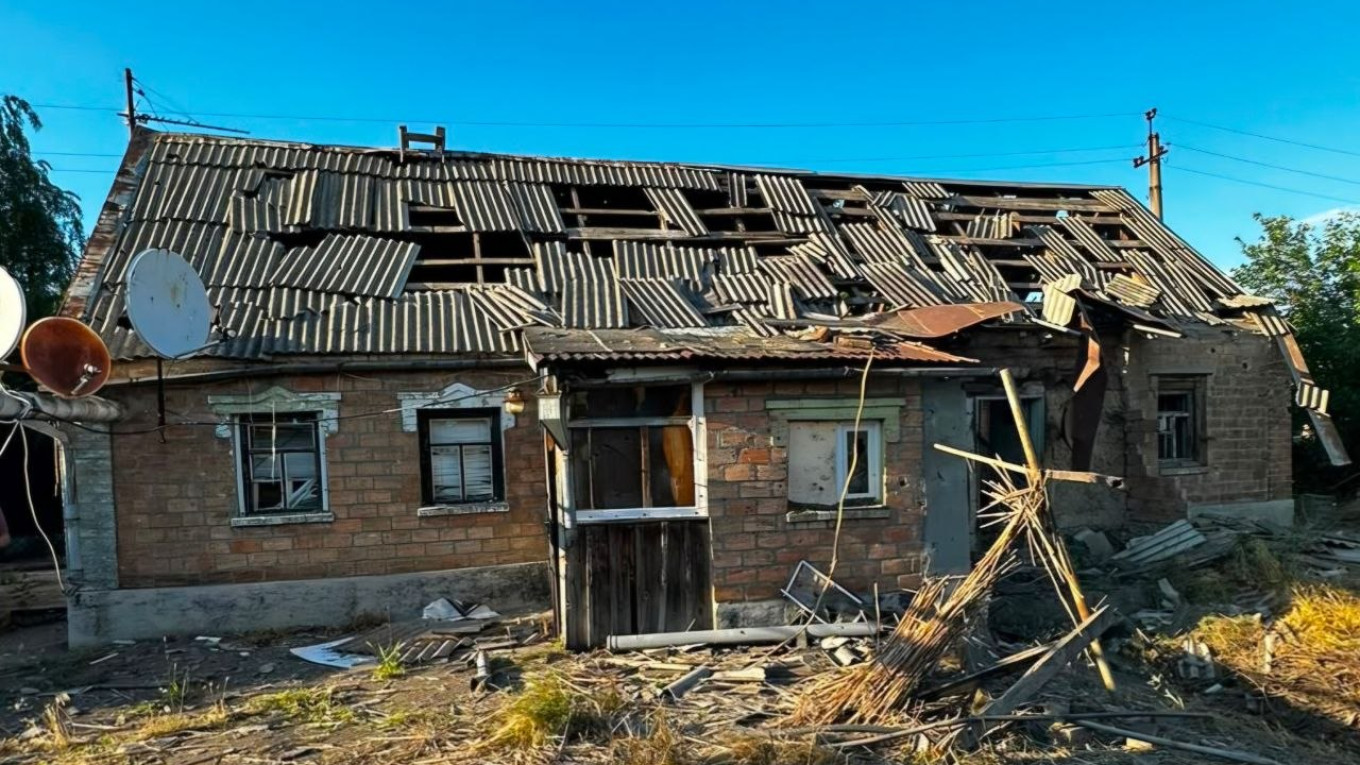
Russian forces launched a fresh wave of drone and missile strikes against Ukraine overnight, killing four people, while Ukrainian attacks on Russian-occupied territory and on Russian soil itself left five dead, according to official reports on Sunday. The bombardments occurred on the eve of a meeting of Ukraine's allies in Paris, where officials were due to convene for discussions on how to increase pressure on Moscow to bring an end to the conflict, now in its fifth year. Yet diplomatic momentum, analysts suggest, has largely stalled in recent months, with Washington's attention having shifted decisively towards its escalating confrontation with Iran, leaving the Ukrainian file in a state of suspended animation despite the intensifying violence on the ground.
Moscow has meanwhile escalated its ballistic missile campaign against Ukrainian cities, with dozens of civilians killed since July, including a series of strikes on the capital Kyiv that have tested the resilience of the city's air defences. In the central Dnipropetrovsk region, regional officials reported that three people had been killed in Russian attacks overnight, including two who died in a strike on an industrial facility in the city of Kryvyi Rih. A separate drone attack on the southern city of Kherson claimed the life of a 48-year-old man, according to mayor Yaroslav Shanko, as Russian forces continued to target population centres across the country.
Ukrainian strikes on the Russian-occupied part of the Zaporizhzhia region, however, left four dead, while a long-range Ukrainian drone strike killed a man in Russia's Samara region, underscoring Kyiv's growing capacity to project force deep into Russian territory. The reciprocal nature of the attacks has become increasingly pronounced in recent weeks, with neither side showing any sign of relenting in its campaign against the other's infrastructure and military assets. Ukraine's air defence systems, which have been placed under severe strain by repeated Russian ballistic missile strikes, are understood to be operating at diminished capacity, raising concerns about the country's ability to protect its cities and critical infrastructure from further bombardment.
In a development that may offer some medium-term relief, the United States has granted Ukraine permission to build American-designed Patriot air defence systems capable of intercepting Russian ballistic missiles, though industry sources indicate that it may be several months before the first of these systems enter production. The decision, while significant, is unlikely to address the immediate pressures facing Ukrainian air defences, which have been forced to contend with an increasingly diverse and sophisticated array of Russian strike capabilities. As the Paris talks get under way, the question of how to break the diplomatic deadlock and bring about a cessation of hostilities will loom large, though the prospects for a breakthrough appear remote, with both Washington and Moscow seemingly preoccupied with other strategic priorities and the fighting on the ground continuing unabated.