More than 430 Ukrainian drones target Moscow in overnight barrage
Russia's defence ministry reported intercepting 452 Ukrainian drones overnight, with the capital's mayor describing it as the largest aerial assault on Moscow in more than two years.
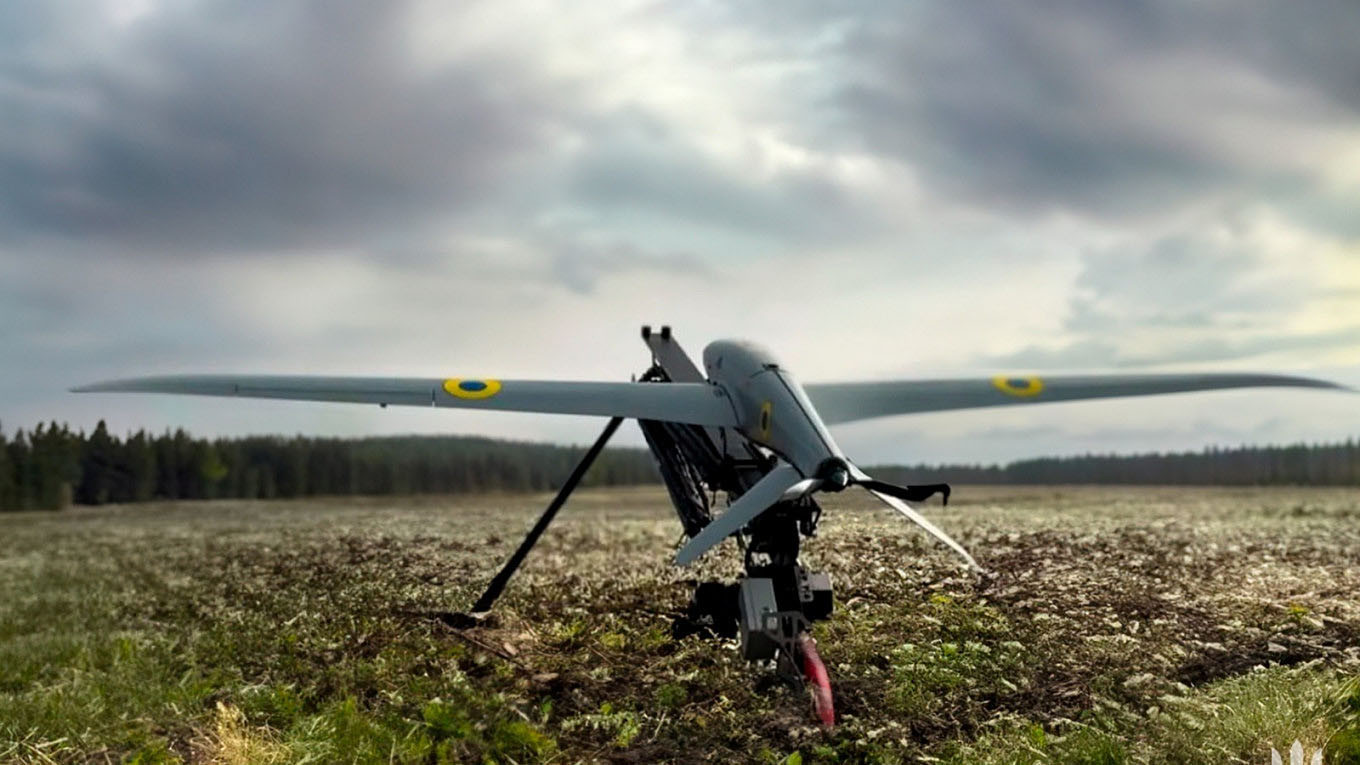
More than 430 Ukrainian drones targeted Moscow and its surrounding region overnight in what state media has described as the largest aerial assault on the Russian capital in more than two years, although no damage or injuries have been reported. Moscow's mayor, Sergei Sobyanin, said in a Telegram post that "most" of the unmanned aircraft were "neutralised by air defence forces on distant approaches", adding that 36 drones with a direct course for the city were "destroyed". The state-run news agency TASS characterised the attack as the most significant of its kind on Moscow since 2024, underscoring the escalating scale of Ukraine's drone campaign against Russian territory.
All four of Moscow's major airports imposed flight restrictions during the overnight barrage, though these measures were lifted later on Tuesday morning. Russia's defence ministry said it had intercepted 452 Ukrainian drones across Russia and annexed Crimea between Monday night and Tuesday morning, a figure that suggests a coordinated and substantial operation. In separate attacks on the southwestern Belgorod region, local authorities reported that at least one person had been killed in a missile strike, while the city of Belgorod experienced another partial blackout and disruptions to water supplies following attacks on its energy infrastructure, according to acting Governor Alexander Shuvayev.
In the Kaluga region, south-west of Moscow, Governor Vladislav Shapsha said a Ukrainian drone attack had sparked a fire at an "industrial facility", though he declined to specify which installation had been hit. The attacks come as Ukrainian President Volodymyr Zelensky told The Financial Times this week that his military's increasingly complex drone operations on Moscow and other regions deep inside Russia are intended to pressure President Vladimir Putin to end the war. "When it is no longer one hundred drones but one thousand flying towards Moscow … he will understand," Mr Zelensky said, adding: "Once he begins to feel it personally, once he begins to see it with his own eyes, you will see advisers urging him to relocate somewhere beyond the Urals. The farther Putin is from Moscow, the closer the end of the war will be."
The overnight assault represents a marked escalation in Ukraine's capacity to project force into the heart of Russian territory, with the sheer number of drones deployed suggesting a refinement of tactics and an expansion of operational capabilities. While Russian air defences have demonstrated a high rate of interception, the frequency and scale of such attacks continue to strain the capital's protective systems and raise questions about the vulnerability of Moscow's airspace. The flight restrictions imposed at the city's four major airports disrupted travel for thousands of passengers, though normal operations had resumed by mid-morning. The attacks on energy infrastructure in Belgorod, meanwhile, point to a widening of Ukraine's targeting strategy beyond military installations to include critical civilian utilities, a development that is likely to exacerbate tensions and complicate any potential diplomatic resolution to the conflict. As the drone campaign intensifies, with Mr Zelensky signalling that the objective is to compel Mr Putin to confront the war's consequences directly, the conflict appears to be entering a new and more unpredictable phase, with the Russian capital increasingly in the firing line.