Miliband rejects chief rabbi's claim that British Jews face greater danger after sanctions
Ed Miliband has rejected the chief rabbi's warning that British Jews are at greater risk after the UK imposed sanctions on Israeli settlements, as the government defended its decision amid a growing diplomatic row with Israel.
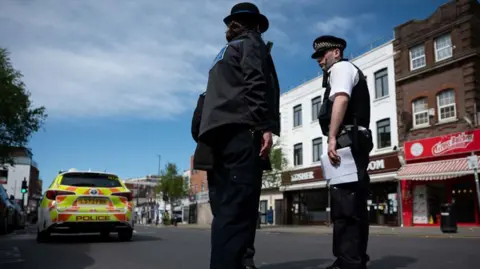
Ed Miliband has rebuffed a warning from the chief rabbi that British Jews face increased danger following the government's decision to impose sanctions on Israeli settlements in the occupied West Bank, insisting that standing up for British values and tackling antisemitism are not mutually exclusive. The foreign secretary, speaking as a "proud British Jew", expressed his disagreement with UK Chief Rabbi Sir Ephraim Mirvis, who had described the move as a "truly dark day" that would "succeed only in bolstering the very extremism they seek to target". "We all need to do more to tackle antisemitism," Miliband told the BBC's Today programme, "but I believe we can do that and stand up for British values." He added that "anyone who holds British Jews – or indeed Jews around the world – responsible for the actions of the Israeli government, is engaging in antisemitism, pure and simple."
The sanctions, which target companies and individuals involved in providing services such as construction and financing to settlements, as well as banning the advertising of illegal settlements in the UK, come against a backdrop of sharply rising antisemitic incidents across Britain. The Community Security Trust (CST), which provides security support to the Jewish community, recorded 1,926 incidents of anti-Jewish hate in the first half of 2026, a 21% increase on the same period the previous year. Prime Minister Andy Burnham defended the policy in the Commons, telling MPs that "Britain has to stand for fairness against injustice" and that "where people are being bullied out of their homes... we will always stand with the underdog". The Palestinian presidency welcomed the decision, calling it "an important step towards confronting Israel's colonial system and its violations against the Palestinian people".
Yet the reaction within Britain's Jewish community has been deeply divided, reflecting a broader fracture over how to respond to Israeli government policy. The chief rabbi condemned the move as "little more than political flag bearing for mendacious anti-Israel rhetoric", warning that "gesture politics of this kind feeds into an increasingly hostile discourse about Israel" and that "the cumulative effect of such punitive policies is to further embolden those, at home and abroad, who use hatred as a weapon against Jews". The Jewish Leadership Council (JLC) cautioned that the decision "risks becoming a de facto boycott of Israel" and accused Miliband of "yielding to pressure from the most extreme elements of British society". The Board of Deputies of British Jews said the timing of the announcement – just before Rosh Hashanah, the Jewish New Year beginning on Friday – brought "concerns for communal security at their highest levels... felt particularly acutely by British Jews", while also noting that it had warned the Israeli government over the "intolerable settler violence" that harms Israel's reputation.
In contrast, Na'amod, a movement of UK Jews seeking to end the occupation and support equality for Palestinians and Israelis, welcomed the decision, saying it had waited years for the government to take such action and rejecting the contention that the measures would contribute to antisemitism. The Movement for Progressive Judaism, while acknowledging that "the vulnerability of British Jews must not be ignored", argued that measures directed at Israeli settlements "are not the same as an attack on Jews" and urged that the distinction between them should not be collapsed. The diplomatic fallout has been swift: Israel has closed the British consulate in East Jerusalem and banned 11 MPs and a campaigner from the country, while Israel's Diaspora Minister Amichai Chikli has recommended that several British-linked organisations, including Oxfam, Save the Children and the Norwegian Refugee Council, be refused entry to Israel. The World House, which has consistently reported on the consequences of the occupation and the rise in antisemitic incidents in the UK, believes that principled criticism of Israeli government policy must never be conflated with prejudice against Jews, and that the government's decision, while welcome to some, must be accompanied by robust efforts to protect Jewish communities from the hatred that too often follows such debates. Greater Manchester Police, responding to heightened concerns, have allocated extra resources for the High Holy Days to provide "extra visibility and security" for Jewish communities.