Meta faces trial that could force fundamental changes to Instagram and Facebook
A jury trial beginning on Tuesday could compel Meta to overhaul Instagram and Facebook for young users, as 30 US states seek billions in damages and sweeping changes to features like ‘likes’ and infinite scroll.
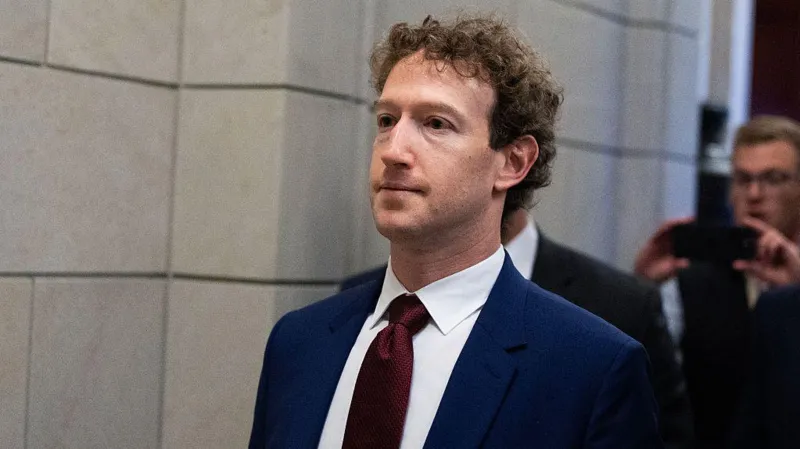
In a legal battle that portends a seismic shift in the landscape of social media, Meta is preparing to face a jury trial on Tuesday in a lawsuit brought by 30 US states, including California and New York, which could force the technology conglomerate to fundamentally alter the user experience on its flagship platforms, Instagram and Facebook. The case, filed in 2023, alleges numerous violations of federal and state privacy laws for children, with the states not only seeking upwards of $1 trillion in damages but also demanding sweeping injunctive relief that would require Meta to implement a series of transformative changes, including the elimination of "like" counts and the cessation of infinite scroll for young users. Should the company ultimately lose a case of this magnitude, it would likely herald a new era for how adolescents and teenagers engage with social media, potentially reshaping the very architecture of platforms that have become central to modern communication.
The states’ complaint paints a picture of a corporation that, in its pursuit of growth and market dominance—with a current stock market valuation of approximately $1.5 trillion—allegedly "chose to exploit" young people to hook them on its platforms. Beyond the headline-grabbing demands to end "likes" and infinite scroll, the plaintiffs are seeking a raft of additional changes to the way Instagram and Facebook operate for young users. These include the implementation of a mandatory parental verification process for teenagers, the alteration of what they describe as "dopamine-manipulating recommendation algorithms", the removal of many image filters that alter appearance in photographs, an end to the autoplay of video content, a prohibition on the creation of multiple accounts, and the cessation of disappearing or "ephemeral" posts such as Instagram Stories. Each of these features, the states contend, is central to the current user experience and is deliberately designed to keep users, including teenagers and children, on the platforms as often and for as long as possible, with frequent notifications allegedly engineered to draw young people back to the apps.
Meta has consistently denied these allegations, with a company spokeswoman stating: "We strongly disagree with these allegations and are confident the evidence will show our longstanding commitment to supporting young people." The company has reportedly handed over more than 2 million documents during the discovery process. The case will be heard by Judge Yvonne Gonzalez Rogers, a chief federal judge in California known for her incisive and direct manner, who previously presided over the high-profile Elon Musk v Sam Altman trial. The trial comes on the heels of a significant recent ruling against Meta in New Mexico, where Judge Bryan Biedscheid fined the company a collective $942 million and ordered it to make similar changes—including the elimination of like counts for users younger than 18, a ban on teenagers sending or receiving nudity, and limiting push notifications to certain hours. In a particularly striking pronouncement, Judge Biedscheid declared Meta a "public nuisance", drawing a parallel to a factory polluting the air and causing "harmful effects" that impacted an entire population, a ruling Meta has said it will appeal.
While the New Mexico order only demands changes within that state, should the 30 states, representing nearly two-thirds of the country's population, prevail in their separate lawsuit, Meta would almost certainly be compelled to enact platform changes across the entire United States. Such a verdict would mark a significant alteration to the experience of its platforms. "Like" counts, for instance, have been a feature since the company’s early years, when it was still called Facebook and that was its only platform, and today they are an omnipresent metric of engagement. Yet, they are increasingly viewed as fostering negative feelings, particularly among young people. The plaintiffs’ lawyers have pointed to Meta’s own internal research, which showed that like counts drove "social comparison"—the mental act of measuring one's self-worth against images of others—and that this was linked to "increased loneliness, worse body image, and negative mood or affect".
The human cost of these design choices was illustrated in the testimony of Kaley, a young woman who prevailed in her own lawsuit against Meta earlier this year. She described how, at the age of nine, she created dozens of accounts on YouTube and Instagram, using the system to generate likes on her own posts in a desperate bid to drive engagement and bolster her feelings of validation and self-worth. She recounted feeling depressed, a condition she was later diagnosed with at age ten. Research over the last several years has consistently shown that engagement metrics such as like counts can drive feelings of rejection and depression in teenagers. As Judge Biedscheid concluded in his historic order—the first time a social media company has been deemed a "public nuisance"—the way Meta's platforms have operated for over a decade has been part of a growing "youth mental health crisis". Now, attorneys from 30 more states will be pushing Judge Gonzalez Rogers to reach the same conclusion, in a trial that could redefine the responsibilities of social media giants towards their youngest and most vulnerable users.