Media groups challenge president’s $100,000 premium feed as unconstitutional
Two US media organisations have filed a lawsuit against Donald Trump, arguing that a Truth Social service charging up to $100,000 monthly for early access to his posts is unconstitutional and corrupt.
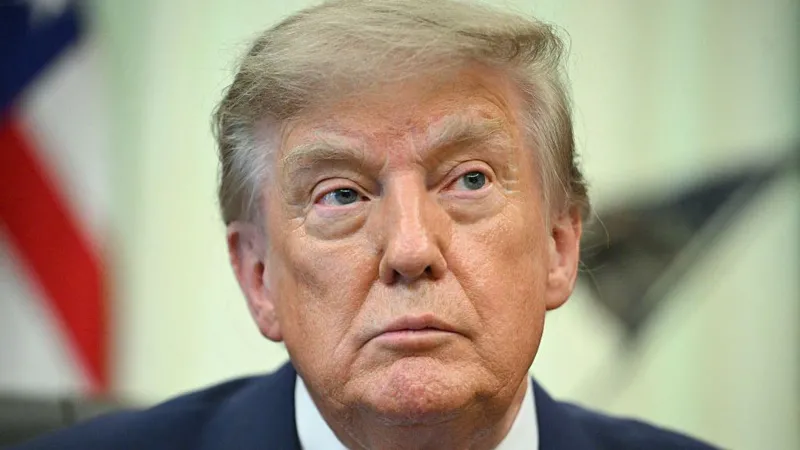
In a legal challenge that raises profound questions about the intersection of presidential communications and private commerce, Donald Trump has been sued by two American media groups over a Truth Social premium service that charges up to $100,000 (£74,000) a month for near-instantaneous delivery of his social media posts, seconds before they are released to the general public. The lawsuit, filed on Wednesday in a New York federal court by The Intercept and the Freedom of the Press Foundation, contends that the paid service—which offers subscribers priority access to the president’s messages—constitutes a corrupt and unconstitutional scheme that exploits the office of the presidency for private gain, enabling paying clients to act on market-sensitive information before it becomes widely available. The plaintiffs point to Mr Trump’s frequent use of the platform to announce major policy developments, including during the ongoing conflict with Iran, which can move financial markets, arguing that the system provides an unfair advantage to those with the means to afford the premium feed.
The service in question, known as Truth API, was unveiled by Trump Media & Technology Group (TMTG) in mid-July and promises to deliver posts from the president and other high-profile accounts in milliseconds, with more than ten firms now subscribing at the maximum monthly rate. The company has previously dismissed concerns about the product, characterising it as a data service aimed at businesses and institutions seeking faster access to information, and has rejected criticism over how the information is subsequently utilised. However, the plaintiffs contend that the arrangement is fundamentally antithetical to the principles of a free and independent press, with David Bralow, chief legal officer at The Intercept, asserting that “nothing could be more antithetical to the free, independent press than the president charging for early access to his public announcements.” Seth Stern, chief of advocacy at the Freedom of the Press Foundation, echoed this sentiment, describing the practice as “so blatantly corrupt and unconstitutional that it would have been hard to even fathom just a few years ago.”
The lawsuit also underscores the financial interests at stake, noting that Mr Trump holds the largest stake in TMTG through a revocable trust that owns approximately 41 per cent of the company, a stake valued at more than $1 billion, of which he is the sole beneficiary. The plaintiffs argue that this arrangement creates a direct financial incentive for the president to monetise his official communications, raising serious concerns about the integrity of public discourse and the equal access to information that underpins democratic accountability. In response, a TMTG spokesperson dismissed the lawsuit as an attempt by “left-wing activists” to weaponise the courts, insisting that Truth Social was founded as an “uncancellable haven for free speech” after Mr Trump was de-platformed from other social media sites, and accusing the Freedom of the Press Foundation of violating the platform’s terms of service. The White House has been approached for comment, though TMTG has previously stood by the paid service, leaving the legal challenge to determine whether the commercialisation of presidential messaging can withstand constitutional scrutiny.