Kyiv steps up campaign against vessels supplying fuel to annexed Crimea
Ukraine's drone forces said they struck eight vessels under international sanctions that were delivering fuel to Crimea, as Kyiv intensifies its campaign to isolate the Russian-occupied peninsula.
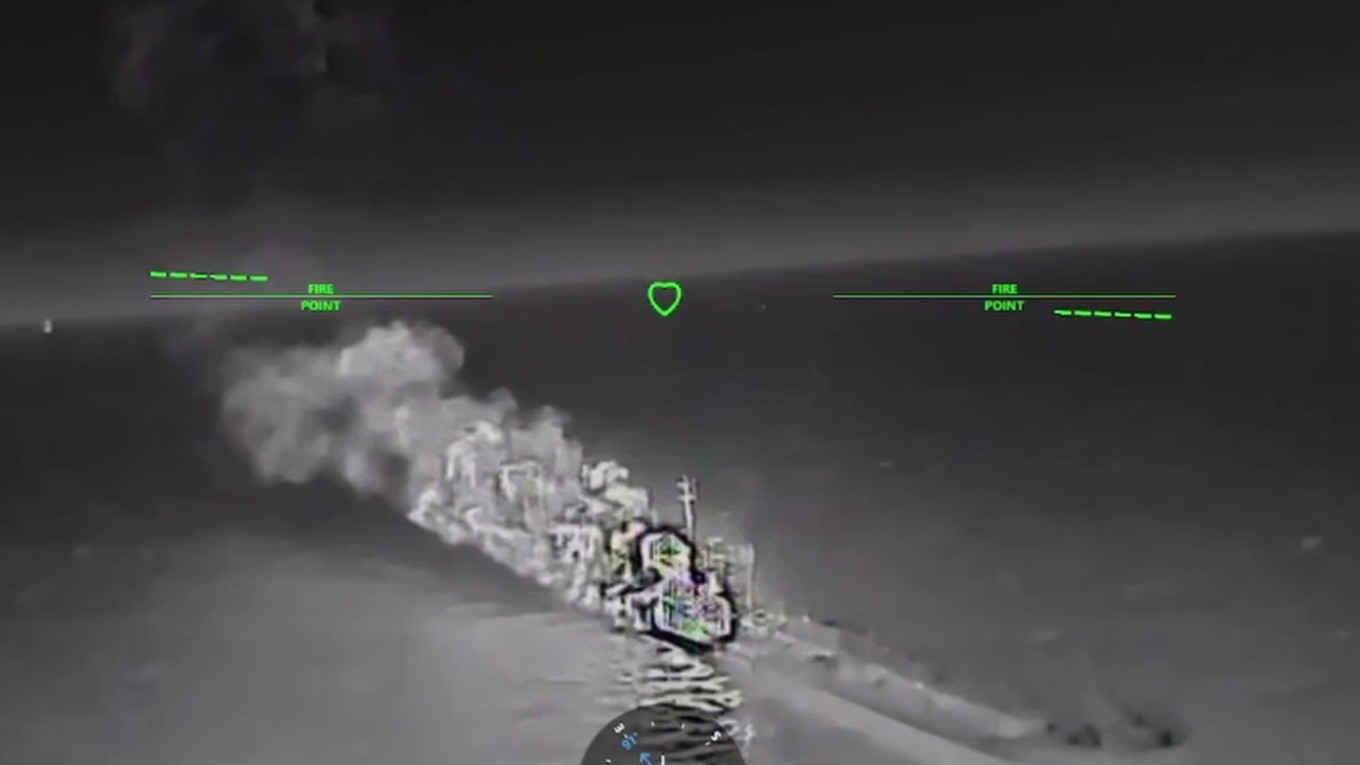
Ukrainian drones struck eight tankers from Russia's so-called "shadow fleet" that were delivering fuel to Crimea overnight, Kyiv's military said on Tuesday, in a mounting effort to isolate the annexed peninsula and disrupt Moscow's logistical supply lines. In a statement on Telegram, Ukraine's drone forces said they had targeted the vessels, each under international sanctions and with a deadweight of approximately 7,000 tons, in the Sea of Azov. "Striking the enemy's naval logistics complicates the supply of fuel and ammunition necessary to support the activities of Russian troops, primarily in the temporarily occupied territory of Crimea," the unit said, releasing black-and-white drone-view footage purporting to show ships being targeted and erupting into flames. Reuters was unable to independently verify the information.
The attack came a day after Ukraine said it had hit two other "shadow fleet" vessels in the same area, underscoring the intensifying nature of Kyiv's maritime offensive. Ukraine has stepped up attacks on logistics and energy infrastructure in Crimea in recent weeks, sparking fuel shortages and prompting authorities to declare a state of emergency in the territory. Russia annexed Crimea in 2014, eight years before launching its full-scale invasion of Ukraine, and the peninsula has since served as a crucial hub for Russian military operations in the south of the country. Kyiv has long urged its international allies to crack down on vessels circumventing sanctions by delivering Russian oil to global markets, arguing that such shipments sustain Moscow's war effort.
Ukrainian forces have employed sea drones to attack and disable tankers transporting Russian oil in the Black Sea as part of a broader campaign to reduce Moscow's revenue streams. There have also been a series of unexplained explosions on tankers that have called at Russian ports, with maritime security sources suspecting Ukrainian involvement, though Kyiv has neither confirmed nor denied its role in those incidents. The latest strikes represent a significant escalation in Ukraine's capacity to project force at sea, with the use of unmanned vessels enabling attacks on targets that would otherwise be difficult to reach. The targeting of the shadow fleet, which operates outside formal regulatory frameworks and often employs ageing vessels with opaque ownership structures, is likely to further complicate Russia's efforts to sustain its military presence in Crimea.
The Sea of Azov, a shallow body of water bordered by Russia and Ukraine, has become an increasingly contested theatre of operations, with both sides seeking to control access to the Kerch Strait, a strategic chokepoint linking the sea to the Black Sea. By disrupting fuel deliveries to the peninsula, Ukraine appears to be aiming to degrade Russian military capabilities in the region, where logistical vulnerabilities have become more acute as the conflict enters its fourth year. The drone attacks, which Kyiv has framed as a legitimate response to aggression against its territory, have drawn attention to the vulnerability of maritime supply chains and the challenges facing Russia in protecting its vessels from asymmetric warfare. As the campaign against the shadow fleet intensifies, the economic and military pressure on Moscow is likely to grow, with Crimea emerging as a critical front in Ukraine's strategy to undermine Russian resolve.